Asia Faces Accelerated Warming Trends and Heightened Climate Risks
New report from the World Meteorological Organization highlights record-breaking heat and glacier loss across the continent.
PENN Explainer
Hear this story explained in 90 seconds.
The Asian continent is currently warming at nearly twice the global average rate, according to a comprehensive report released by the World Meteorological Organization. This rapid shift in regional climate is driving a surge in extreme weather events that threaten both human lives and economic stability. The findings underscore a critical period for the region as it grapples with the consequences of rising temperatures.
Data from 2024 indicates that Asia experienced either its warmest or second-warmest year on record. Prolonged heatwaves have become a recurring challenge, affecting vast populations and straining local infrastructure. These sustained high temperatures are not isolated incidents but part of a broader, concerning trend across the continent.
Marine environments are also showing signs of significant stress due to these changing conditions. Record-high sea surface temperatures and intense marine heatwaves have been documented across large areas of the Pacific and Indian Oceans. These changes disrupt local ecosystems and have long-term implications for coastal communities that rely on the sea for their livelihoods.
Rising sea levels in these oceans are now outpacing the global average, creating increased risks for low-lying coastal regions. As the water levels climb, the vulnerability of these areas to storm surges and flooding grows significantly. This trend necessitates urgent attention to coastal defense and disaster preparedness strategies.
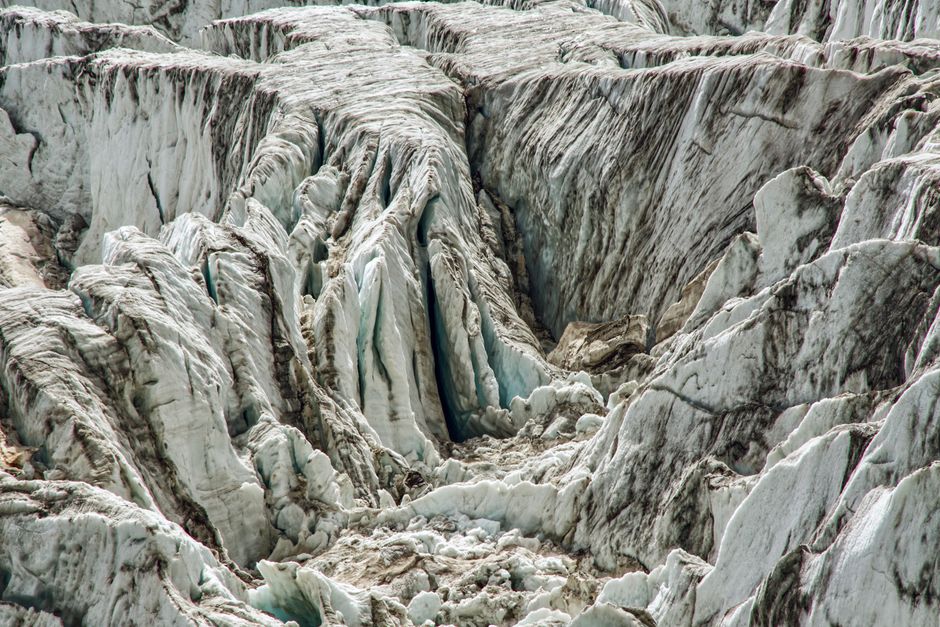
In the mountainous regions of the central Himalayas and the Tian Shan, glaciers are suffering from severe mass loss. This melting process is not only a sign of a warming climate but also a direct contributor to new environmental hazards. The instability of these ice masses increases the likelihood of dangerous events like landslides and glacial lake outburst floods.
These geological shifts pose a direct threat to long-term water security for millions of people who depend on glacial runoff. As the glaciers shrink, the reliability of water supplies for agriculture and daily consumption becomes increasingly uncertain. Managing these water resources will be a primary challenge for regional governments in the coming years.
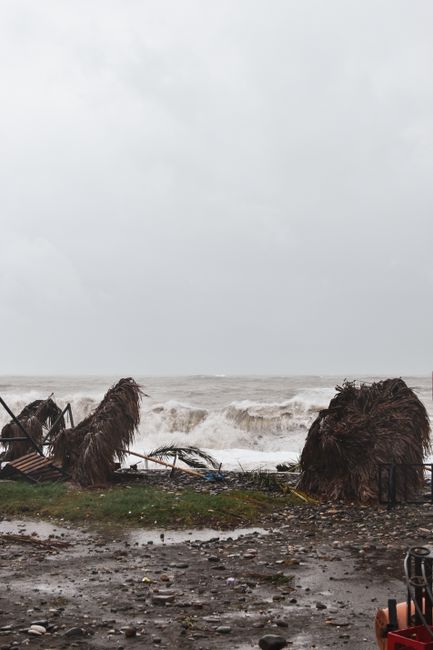
Beyond the mountains and coasts, extreme rainfall and destructive tropical cyclones have caused widespread damage throughout the year. These events have resulted in significant casualties and have disrupted the lives of many residents. The intensity of these storms highlights the need for robust early warning systems to protect vulnerable populations.
Disaster response organizations are emphasizing the importance of proactive measures to mitigate these risks. By utilizing seasonal weather outlooks, agencies can better prepare for potential crises before they escalate into large-scale disasters. Strengthening alliances between meteorological institutions and humanitarian groups remains a key strategy for the future.
Experts suggest that while some extreme weather events cannot be prevented, their impact can be significantly reduced through better planning. Early warnings and timely action are essential tools for saving lives during periods of severe weather. This approach is becoming a cornerstone of climate adaptation efforts across the continent.
As the region continues to face these environmental pressures, the focus is shifting toward long-term resilience. Policymakers are being urged to integrate climate data into their development plans to ensure future stability. The goal is to create systems that can withstand the increasing frequency of extreme weather events.
Looking ahead, the scientific community continues to monitor these developments closely to provide accurate information for decision-makers. The ongoing research into regional climate patterns is vital for understanding how to best protect communities. Continued investment in meteorological monitoring will be necessary to navigate the challenges posed by a changing climate.
Ask the Author
Subscribers can ask the journalist a question about this story. Subscribe to ask.
Neutrality note
Auto-harvested from global news wires and presented neutrally by PENN.
to vote
Comments
No comments yet — be the first to share your thoughts.