Australian Authorities Expand Feral Deer Control to Protect Native Ecosystems
Government-led culling programs target invasive deer populations to mitigate environmental damage and agricultural losses across South Australia and Victoria.
PENN Explainer
Hear this story explained in 90 seconds.
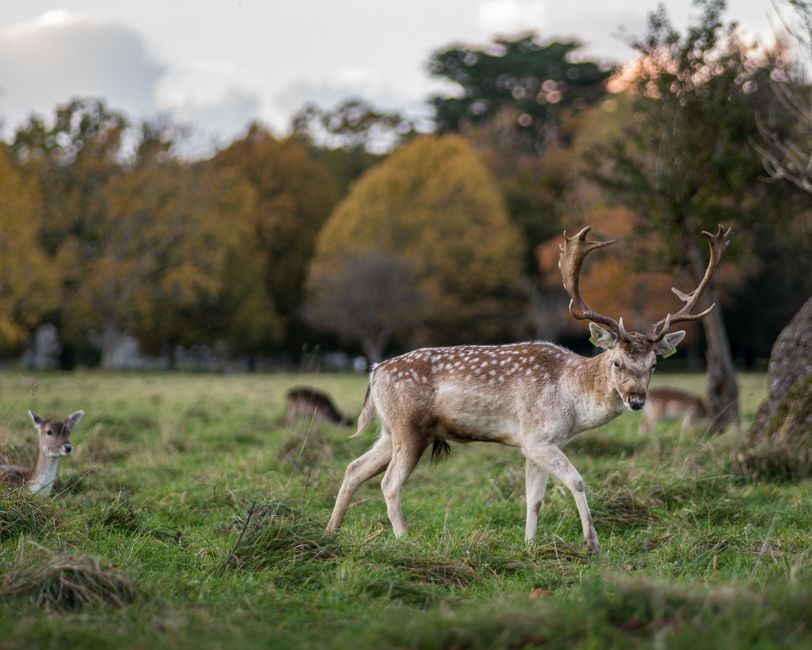
Government agencies in Australia are intensifying efforts to manage rapidly growing populations of feral deer, which pose a significant threat to native biodiversity and agricultural productivity. These invasive species, including Sambar, Fallow, and Red deer, cause extensive damage by overgrazing native vegetation, destroying young trees through antler rubbing, and contributing to soil erosion. Left unchecked, these populations can expand dramatically, leading to severe long-term consequences for sensitive river corridors and alpine peatlands.
In South Australia, the state government has set an ambitious goal to eradicate all feral deer by 2032. Officials estimate that there are approximately 40,000 feral deer currently in the state, with numbers projected to rise significantly without intervention. To address this, the government has committed millions of dollars toward a combination of aerial culling and ground-based shooting operations. These programs are designed to reduce the population to under 1,000 animals within the next decade.
Scientific data from long-term management programs in Victoria highlights the effectiveness of professional, targeted culling. Research conducted in the Alpine National Park demonstrated that contract ground-based shooters are significantly more efficient at removing deer than volunteer efforts. By utilizing professional teams, authorities can ensure that control operations are conducted with precision, focusing on high-elevation habitats where deer activity is most concentrated during specific months of the year.
Conservation managers emphasize that these programs are strictly focused on population control rather than recreational hunting. In areas like the Yellingbo Nature Conservation Area, Parks Victoria has implemented specific culling events to protect local habitats from the pressure of invasive herbivores. These operations are managed under strict protocols to ensure that the removal of animals is conducted humanely and effectively.
Stakeholders involved in these programs include government environmental departments, professional contractors, and, in some instances, accredited volunteers. While some recreational hunting groups argue that they contribute to the economy and assist in population management, the government's primary focus remains on large-scale eradication to meet conservation targets. The South Australian government has also provided support to venison farmers to improve fencing and tagging, which helps prevent domestic deer from escaping into the wild.
Human-wildlife conflict is a growing concern as deer populations move closer to urban areas and agricultural zones. In the Australian Capital Territory, previous control programs successfully removed over 150 deer from nature reserves to prevent them from migrating into city corridors. Such efforts are essential to reducing the risk of road crashes and protecting the economic viability of local farms, which face millions of dollars in potential productivity losses.
Critics of aerial culling sometimes point to the potential for alternative methods, but officials maintain that professional shooting is the most viable tool for large-scale population reduction. The use of technology, such as camera traps, allows managers to monitor deer movement and adjust their strategies in real-time. This data-driven approach ensures that resources are directed toward areas with the highest density of invasive animals.
As the 2032 deadline for eradication in South Australia approaches, the government continues to balance the need for environmental protection with the logistical challenges of managing vast, rugged landscapes. The success of these programs depends on sustained investment and the continued application of scientific management techniques. By prioritizing the health of native ecosystems, authorities aim to mitigate the damage caused by these non-native species before they cause irreversible harm to the environment.
Ask the Author
Subscribers can ask the journalist a question about this story. Subscribe to ask.
Neutrality note
Auto-harvested from global news wires and presented neutrally by PENN.
to vote
Comments
No comments yet — be the first to share your thoughts.
Related stories in Hunting and Conservation

Kyrgyzstan Community Conservancies Report Success in Combating Illegal Hunting
2026-10-06
U.S. Fish and Wildlife Service Expands Hunting Access to Support Conservation Funding
2026-10-06