Bank of Japan Adjusts Monetary Policy Amid Currency Volatility and Inflation Targets
Central bank raises interest rates to 1.25% as policymakers navigate a complex economic landscape and a fluctuating yen.

PENN Explainer
Hear this story explained in 90 seconds.
The Bank of Japan raised its uncollateralized overnight call rate to 1.25% from 1% during its September meeting. This decision reflects a broader effort by the central bank to address persistent inflationary pressures and stabilize the national currency. The move was widely anticipated by market analysts who have been monitoring the bank's response to shifting global economic conditions.
Despite the rate hike, the central bank offered mixed signals regarding the future trajectory of its monetary policy. While the decision to increase rates suggests a move toward normalization, the board remains cautious about the potential impact on domestic growth. Two members of the board dissented from the majority, highlighting the internal debate over how quickly to tighten financial conditions.
Prime Minister Sanae Takaichi has emphasized that her administration is focused on boosting Japan's long-term growth potential. She stated that the government aims to strengthen the economy through bold investments in crisis management and key growth sectors. Takaichi noted that these efforts are intended to improve Japan's global competitiveness and bolster market confidence in the yen.
The Japanese yen has faced significant challenges throughout the year, often trading at levels that concern policymakers. A joint intervention effort between the United States and Japan, combined with the recent rate hike, helped the yen become the top-performing currency in the G10 during the third quarter. Data from Deutsche Bank indicates that the currency gained 3.3% against the dollar during this period.
Market participants are closely watching how these policy shifts affect the broader financial sector. Rising interest rates have prompted Japanese banks to rethink their traditional mortgage lending models. Executives in the industry have suggested that the old model of lending broadly is no longer competitive in an environment where yields are climbing.
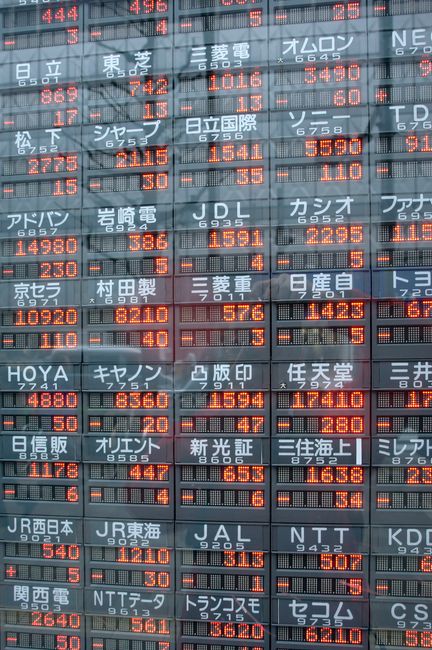
Equity markets in Japan have shown resilience despite the changing interest rate environment. The Nikkei 225 Index recently saw gains, driven in part by optimism surrounding technology stocks and artificial intelligence computing power. Investors are balancing these positive signals against the potential for higher capital costs as the central bank continues its policy shift.
Infrastructure and data center investments have also become a focal point for global investors looking for returns in Japan. The combination of a weak yen and strong demand for digital infrastructure has drawn significant international capital into the country. This trend is part of a larger wave of infrastructure firms seeking to expand their presence in the region.
One board member at the Bank of Japan recently signaled that the country has entered a new policy phase. This official emphasized the necessity of keeping underlying inflation stable around the 2% target. This commitment remains a cornerstone of the bank's strategy as it moves away from years of ultra-loose monetary policy.
Looking ahead, the central bank must navigate the delicate balance between curbing inflation and supporting economic activity. The persistence of inflation remains a key concern for policymakers who are wary of stifling the recovery. Future decisions will likely depend on incoming data regarding wage growth and consumer spending patterns.
International observers are also monitoring the situation, particularly regarding the impact of Japan's rising yields on global markets. Senior officials from the United States Treasury have noted that Japan's economic adjustments are having a measurable effect on international financial flows. The coordination between major central banks remains a critical factor in maintaining global economic stability.
Ask the Author
Subscribers can ask the journalist a question about this story. Subscribe to ask.
নিরপেক্ষতা নোট
Auto-harvested from global news wires and presented neutrally by PENN.
to vote
Comments
No comments yet — be the first to share your thoughts.
Related stories in Markets & Economy
Japanese Equities Surge as Technology Sector Leads Market Rally
2026-10-02
U.S. Holiday Retail Sales Projected to Surpass $1 Trillion Milestone
2026-10-01