Brazil Central Bank Lowers Growth Forecasts Amid Economic Cooling
Monetary authorities adjust 2026 and 2027 outlooks as retail activity slows and global uncertainty persists.
PENN Explainer
Hear this story explained in 90 seconds.
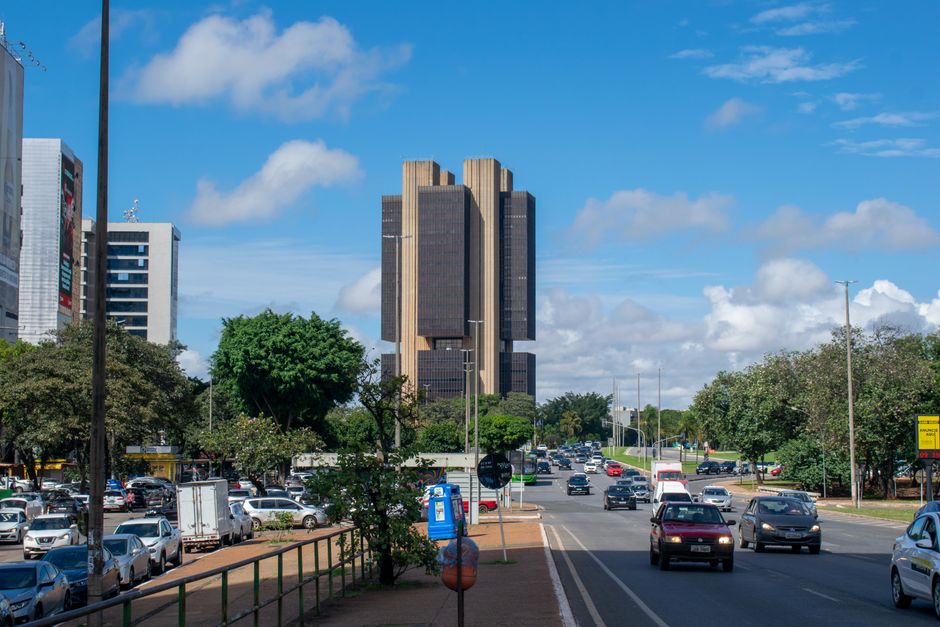
The Central Bank of Brazil has lowered its economic growth projections for the coming years, citing a cooling trend in domestic activity. In a report released on September 24, 2026, the bank reduced its 2026 gross domestic product growth forecast to 1.8 percent, down from a previous estimate of 2.0 percent. Officials also introduced a 1.4 percent growth projection for 2027, reflecting expectations of a more moderate economic environment. This adjustment follows a series of interest rate cuts aimed at balancing inflation control with the need to support a resilient but slowing economy.
The Monetary Policy Committee has now implemented five consecutive reductions to the Selic benchmark rate, which serves as the primary tool for managing national inflation. Despite these cuts, the bank maintains that monetary policy remains in restrictive territory to ensure price stability. The central bank noted that inflation is currently tracking close to its 3 percent target at the relevant policy horizon. This progress has reinforced market expectations for continued monetary easing throughout the remainder of the year.
However, the bank cautioned that the external environment remains highly uncertain, influenced by ongoing global conflicts and shifting international trade policies. Domestic retail data has provided mixed signals regarding the strength of consumer demand. According to the Brazilian statistics agency IBGE, retail sales volume grew by 1.8 percent between January and July 2026, a deceleration from the 2.4 percent growth recorded through March. Quarterly data from the second quarter of 2026 showed a slight contraction in retail volume, highlighting the challenges faced by local businesses.
Foreign retailers have reportedly outperformed their Brazilian counterparts in this environment, benefiting from shifts in consumer spending patterns. The government has also taken fiscal measures to address the changing landscape, including a recent freeze of 16 billion Brazilian reais in spending. These actions are intended to manage the impact of cooling growth and the costs associated with fuel subsidies. Analysts suggest that the fading impulse from previous fiscal and credit stimulus is contributing to the current moderation in economic activity.
Looking ahead, the central bank expects that the contribution from agriculture and extractive industries will be more limited than in previous periods. While the labor market remains tight, the bank is monitoring how these conditions interact with restrictive interest rates. The path for 2027 assumes that policy will continue to focus on maintaining inflation near target levels while navigating limited spare capacity in the economy.
Ask the Author
Subscribers can ask the journalist a question about this story. Subscribe to ask.
Заметка о нейтральности
Auto-harvested from global news wires and presented neutrally by PENN.
to vote
Comments
No comments yet — be the first to share your thoughts.