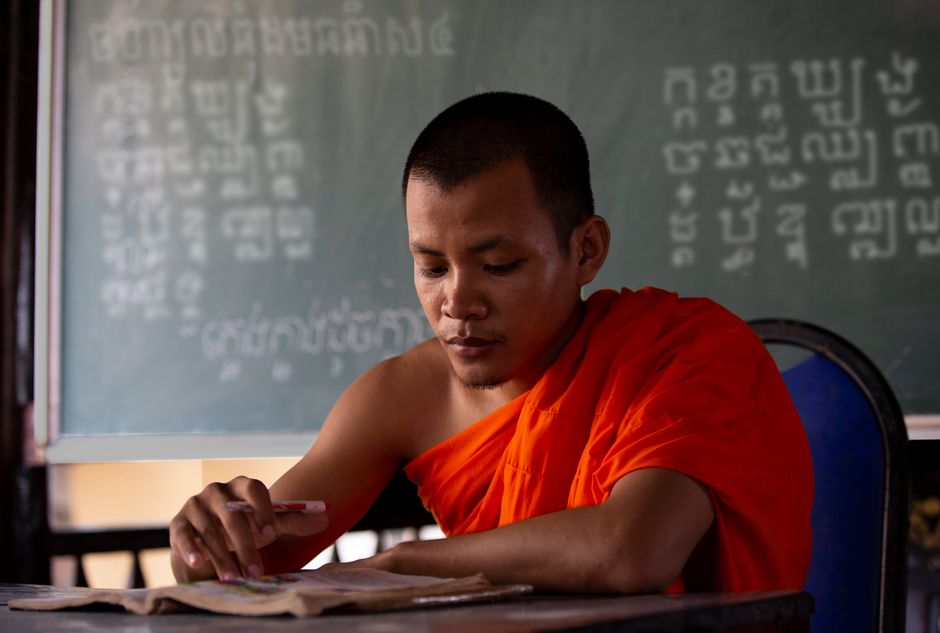
Cambodia Unveils Comprehensive Teacher Training Reforms to Modernize Classroom Instruction
New national standards focus on pedagogical competence and the integration of artificial intelligence in teaching practices.

PENN Explainer
Hear this story explained in 90 seconds.
Cambodia has introduced a series of significant reforms aimed at strengthening teacher competence across its national education system. These measures were highlighted during a recent gathering of global education leaders convened by UNESCO to accelerate progress on Sustainable Development Goal 4. The initiative seeks to align national teaching standards with the evolving demands of the modern labor market.
Central to the new policy is a commitment to raising the baseline requirements for teacher training programs. Officials intend to implement more rigorous standards for pedagogical competence to ensure educators are better prepared for diverse classroom environments. This shift represents a broader effort to improve the quality of instruction provided to students throughout the country.
Beyond foundational training, the government is expanding opportunities for continuous professional development. Teachers will have access to ongoing workshops and resources designed to keep their skills current with international best practices. This focus on lifelong learning is intended to support educators throughout their entire careers.
An important component of the reform package involves the development of formal guidance on the use of artificial intelligence in teaching. By providing clear frameworks, the government hopes to help teachers integrate digital tools safely and effectively into their daily lessons. This approach aims to leverage technology to enhance student engagement rather than replace traditional instruction.
These reforms are part of a larger strategy to ensure that the national education system remains resilient and equitable. International financial institutions and development partners are working closely with local authorities to align external financing with these specific national priorities. Such collaboration is viewed as essential for the long-term success of the program.
Education leaders at the UNESCO session emphasized that these changes are necessary to prepare students for a rapidly changing global economy. By focusing on skills and employability, the government aims to bridge the gap between academic learning and workforce requirements. This alignment is expected to improve outcomes for graduates entering the professional sector.
Technical and Vocational Education and Training, or TVET, also remains a key pillar of the national agenda. The government is looking at ways to make these programs more responsive to the needs of local industries. Strengthening the link between vocational training and market demand is a priority for policymakers.
Observers note that the success of these initiatives will depend on the consistent application of new standards across all provinces. Ensuring that rural and urban schools receive equal support remains a significant challenge for the implementation team. Monitoring and evaluation frameworks are being established to track progress over the coming years.
Teacher burnout and the residual effects of recent global disruptions continue to be concerns for educators worldwide. The Cambodian initiative seeks to mitigate these issues by providing better institutional support and clearer professional pathways. By investing in the workforce, the government hopes to create a more stable and motivated teaching community.
As the country moves forward with these reforms, the focus will remain on balancing traditional teaching values with modern technological advancements. The integration of AI guidance is expected to serve as a model for other nations in the region looking to modernize their own systems. Future updates will likely provide more detail on the specific rollout schedule for these new training modules.
You've reached your free article limit
You've read 10 of 10 free articles this month. Subscribe to Planet Earth News Network for unlimited access to neutral, global journalism — plus puzzles, podcasts, and the weekly newsletter.
Already a subscriber? Sign in.
Ask the Author
Subscribers can ask the journalist a question about this story. Subscribe to ask.
中立性说明
Auto-harvested from global news wires and presented neutrally by PENN.
to vote
Comments
No comments yet — be the first to share your thoughts.