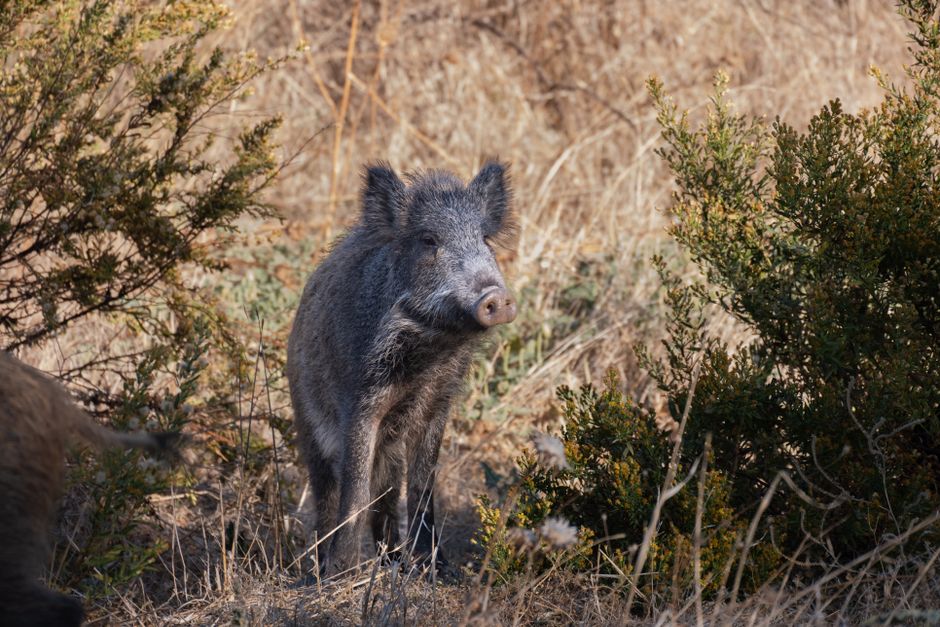
Catalina Island Conservancy Faces Challenges in Managing Invasive Mule Deer Population
Recent hunting season results highlight the difficulty of controlling non-native deer to protect island biodiversity.

PENN Explainer
Hear this story explained in 90 seconds.
The Catalina Island Conservancy recently reported that the 2024 hunting season failed to meet its goals for controlling the island's invasive mule deer population. Despite the issuance of 754 hunting tags, only 379 non-native mule deer were harvested by the end of the season on December 26. This outcome has raised concerns among conservationists regarding the long-term health of the island's unique ecosystem. The estimated population of these deer remained at approximately 1,800 animals throughout the year. Mule deer are not native to Catalina Island and have become a significant factor in the degradation of local habitats. Their presence has led to intense browsing, which crowds out native plant species that are essential for the island's ecological balance. Furthermore, the deer contribute to the spread of flammable invasive grasses, which increases the risk of wildfires. The Conservancy views the management of this population as a critical step in restoring the island's natural landscape. Regulated hunting is utilized by the organization as a primary tool for population control rather than for trophy purposes. By reducing the number of deer, the Conservancy aims to alleviate the pressure on native vegetation and mitigate fire hazards. However, the 2024 results demonstrate that achieving these conservation targets is a complex and ongoing challenge. Scientists have noted that the deer population often exhibits a phenomenon known as compensatory mortality. When the population is reduced through hunting, the remaining deer may experience improved fawn survival and higher birth rates. This biological response can lead to a rapid replacement of the harvested animals, effectively neutralizing the impact of the management efforts. The Conservancy continues to evaluate its strategies to ensure that the island's biodiversity is protected from the negative impacts of the invasive species. Stakeholders are currently reviewing the data to determine how to improve the effectiveness of future management programs. The goal remains to maintain a balance that supports the survival of native flora and fauna while addressing the challenges posed by non-native wildlife.
Ask the Author
Subscribers can ask the journalist a question about this story. Subscribe to ask.
Nota de neutralidad
Auto-harvested from global news wires and presented neutrally by PENN.
to vote
Comments
No comments yet — be the first to share your thoughts.
Related stories in Hunting and Conservation
Kentucky Secures Permanent Public Access for Conservation and Wildlife Management
2026-09-28
Florida Fish and Wildlife Conservation Commission Opens Applications for 2026 Regulated Bear Harvest
2026-09-28