
Central California Coast Coho Salmon Rebound as Spawning Numbers Reach Historic Highs
Spawning returns double across Mendocino coastal waterways, signaling widespread river restoration success after decades of decline.
PENN Explainer
Hear this story explained in 90 seconds.
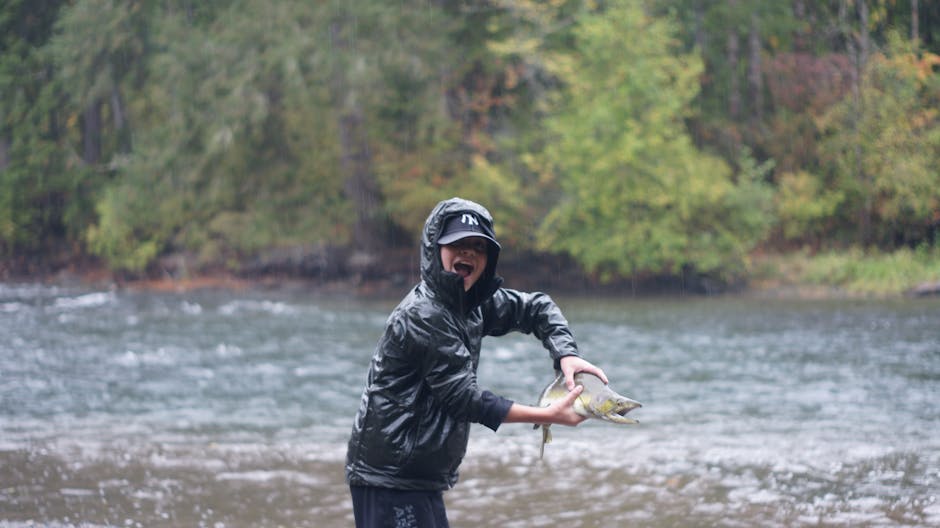
Endangered Central California coast coho salmon have marked a major ecological comeback, with spawning runs climbing to historic numbers across regional waterways. According to recent surveys verified by the National Oceanic and Atmospheric Administration's fisheries division (NOAA Fisheries), adult salmon migrated back to Northern California coastal rivers in quantities that doubled previous benchmarks. Over thirty thousand adult coho returned to coastal rivers and tributaries along Mendocino County, demonstrating unprecedented resilience in waters where their numbers were previously depleted.
The coho salmon of this region have suffered severe population declines over the past several decades due to industrial logging, agricultural water diversions, human development, and shifting ocean temperatures. These pressures led federal wildlife authorities to classify the Central California coast population as endangered under the Endangered Species Act. Decades of habitat loss left rivers silted and disconnected, preventing mature fish from finding suitable gravel beds to lay their eggs.
The latest population count builds upon a steady multi-year upward trajectory. During the previous migration season, biologists recorded fifteen thousand adult coho salmon in the same river systems, a figure that was considered a milestone at the time. Reaching thirty thousand returning adults in the subsequent spawning run confirms that ecological recovery is gathering real momentum across the watershed.
A significant factor behind this revival has been coordinated habitat restoration along key river basins, including the Russian River. State conservation agencies, non-profit ecological groups, and federal biologists have partnered to reconnect ancient side channels, stabilize riverbanks, and place large woody debris along stream channels. These wooden structures mimic natural fallen trees, slowing downstream water currents and creating cold, deep pools where juvenile fish can shelter during hot summer months.
Fish hatcheries have also evolved their methods to preserve genetic diversity rather than just maximizing raw output. Conservation hatcheries operated with support from NOAA Fisheries and state wildlife departments use genetic mapping to pair wild and captive fish. This breeding approach avoids inbreeding and ensures that released juvenile fish retain the biological vigor needed to survive in open marine waters.
Water management partnerships with regional agricultural landowners have played another pivotal role. Grape growers, orchard managers, and municipal water utilities along Mendocino waterways agreed to voluntary flow schedules. By storing winter runoff in off-stream ponds, growers avoid pumping water directly from streams during critical juvenile migration periods in the spring and summer, preserving base river flows.
The marine phase of the coho salmon lifecycle has also benefited from favorable offshore conditions. After rearing in freshwater for about a year, young coho migrate into the Pacific Ocean, where they spend eighteen months feeding on krill, small fish, and squid. Recent shifts in cold-water upwelling along the California Current brought nutrient-dense waters closer to the coast, boosting food supplies and allowing migrating juveniles to grow quickly.
Despite the significant improvement, fisheries scientists emphasize that ongoing vigilance remains vital. Coho salmon run on a rigid three-year lifecycle, meaning that a productive run in one year must be matched by subsequent generations to secure lasting recovery. Drought periods, unseasonal marine heatwaves, and legacy gravel buildup from historic landslides continue to threaten delicate spawning habitats.
Local tribal governments and community conservation volunteers have stepped up field monitoring to safeguard the salmon runs. Indigenous groups have contributed traditional ecological knowledge to stream restoration planning, helping guide where log jams and shade canopies are best installed. Volunteer networks walk miles of tributary banks each season to count spawning nests, known as redds, and clear artificial debris.
State officials point to the salmon surge as proof that sustained habitat restoration produces measurable results. Restoring a native species requires years of dedicated investment, scientific monitoring, and cross-sector cooperation between industry and environmentalists. For coastal Northern California, the return of coho salmon signals renewed life for the ancient river ecosystems that depend on them.
Ask the Author
Subscribers can ask the journalist a question about this story. Subscribe to ask.
Nota de neutralidade
Auto-harvested from global news wires and presented neutrally by PENN.
to vote
Comments
No comments yet — be the first to share your thoughts.
Related stories in Environment

Researchers Develop New Flow Battery Technology to Boost Renewable Energy Storage
2026-09-24
New Study Finds Cougars Significantly Reduce Vehicle-Deer Collisions in the United States
2026-09-24