Chefchaouen, Morocco
The Enchanting Blue City of the Rif Mountains
PENN Explainer
Hear this story explained in 90 seconds.
Chefchaouen, Morocco
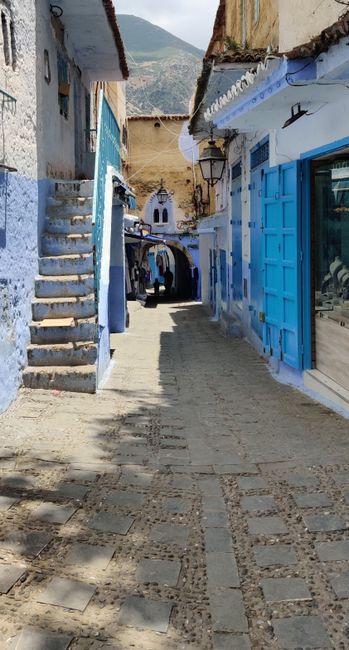
Nestled high in the rugged Rif Mountains of northwest Morocco, Chefchaouen is a breathtaking town world-renowned for its striking, monochromatic blue-washed buildings. Founded in 1471 as a fortress for exiles, this "Blue City" has evolved from a secluded mountain refuge into a vibrant cultural hub that captivates travelers with its Andalusian-influenced architecture, rich history, and serene atmosphere.
- The name Chefchaouen is derived from the Berber language and translates to "two horns," a direct reference to the twin mountain peaks that loom over the valley where the town is situated. This dramatic geography provided a natural defensive advantage when the city was first established as a Moorish fortress.
- Founded in 1471 by Sherif Moulay Ali Ben Rachid, the city served as a strategic stronghold for exiles arriving from Spain. Over the centuries, it became a diverse melting pot, welcoming waves of Muslim and Jewish refugees who left a lasting mark on the town's unique cultural identity.
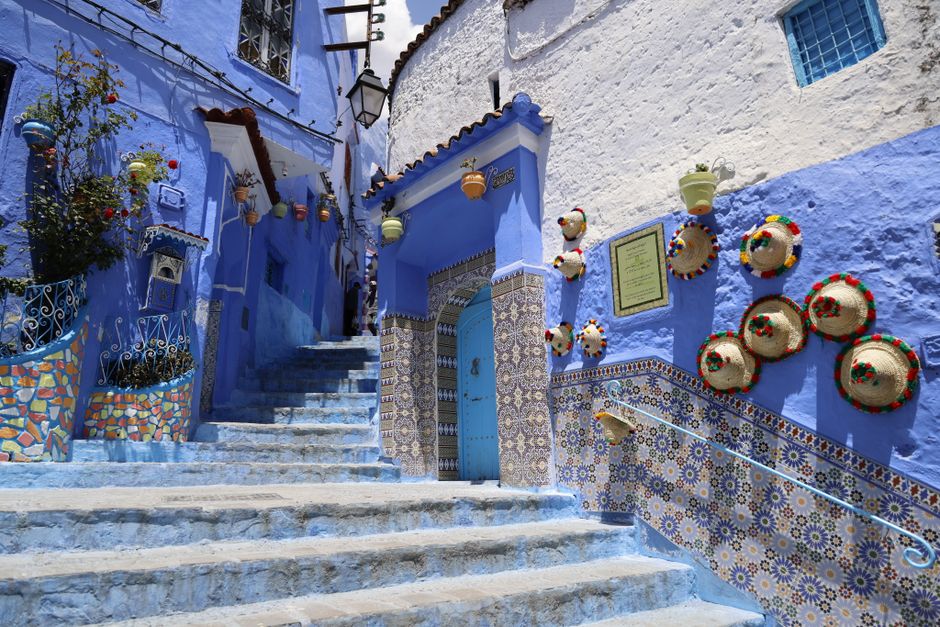
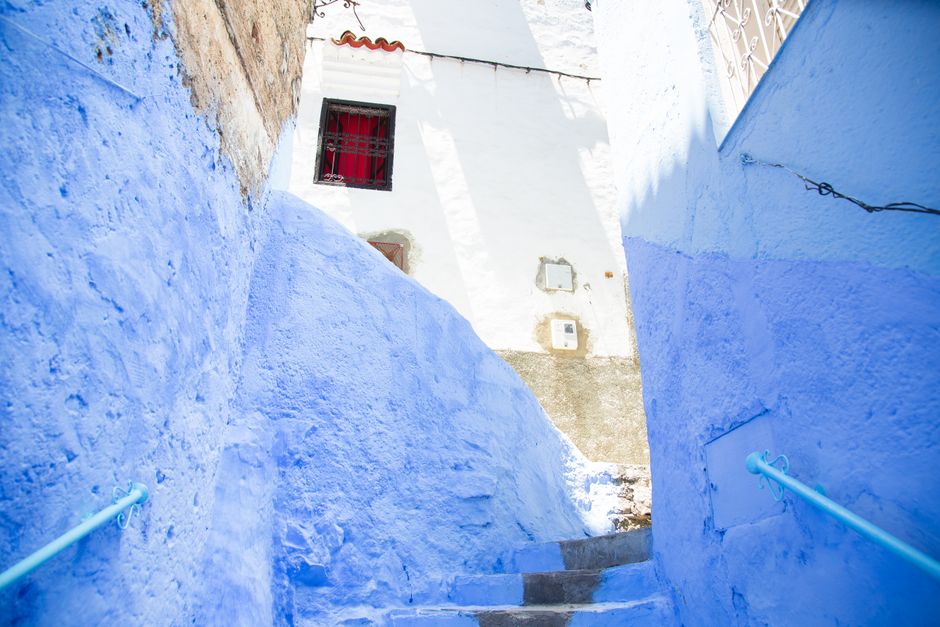
- The city is famous for its distinctive blue-painted walls, which create a dreamlike aesthetic throughout the medina. While some theories suggest the color was introduced by Jewish residents to symbolize the sky and heaven, others believe it serves practical purposes like repelling mosquitoes or keeping homes cool during the hot summer months.
- Located at an elevation of approximately 660 meters above sea level, the town enjoys a temperate climate compared to the arid plains of Morocco. This altitude, combined with the surrounding lush flora and cork oak forests, makes it a popular destination for hikers and nature enthusiasts.
- The Ras El-Ma spring is the lifeblood of the community, providing fresh, clean mountain water to the town. Locals frequently gather along the riverbanks near this spring, which has historically allowed the settlement to thrive in an otherwise challenging mountain environment.
- Chefchaouen is home to a rich tradition of artisanal craftsmanship, particularly in the production of woven blankets, leather goods, and intricate pottery. These handmade items are staples of the local economy and are proudly displayed in the bustling souks that wind through the narrow, cobblestone streets.
- The architecture of the city is notably different from other Moroccan towns, featuring houses roofed with round tiles that are more common in southern Europe. This design reflects the strong Andalusian influence brought by the early settlers who arrived from the Iberian Peninsula.
- The Great Mosque, located in the heart of the Uta al-Hammam square, stands as the city's most historically significant religious site. Its unique octagonal minaret is a standout feature that distinguishes it from the square-based minarets typically found throughout the rest of Morocco.
- Tourism has become a cornerstone of the local economy, with the city attracting visitors from across the globe who come to experience its tranquil, "off-the-beaten-path" charm. The town actively balances this growth with sustainability efforts, including reforestation projects and waste management programs to preserve its natural beauty.
- The culinary scene in Chefchaouen is a delightful fusion of traditional Moroccan flavors and Spanish influences. Visitors can enjoy authentic mountain tagines while experiencing the warm, legendary hospitality that defines the culture of the Rif region.
Photo Gallery
Ask the Author
Subscribers can ask the journalist a question about this story. Subscribe to ask.
Nota neutralitatis
Community of the Day feature by PENN editorial.
to vote
Comments
No comments yet — be the first to share your thoughts.
Author
Planet Earth News Daily Features DeskSenior Editor, Planet Earth News Network
View all articles by Desk →