China Implements New Financial Measures to Stabilize Struggling Stock Markets
Authorities inject liquidity and adjust lending rates as the nation faces ongoing economic challenges.
PENN Explainer
Hear this story explained in 90 seconds.
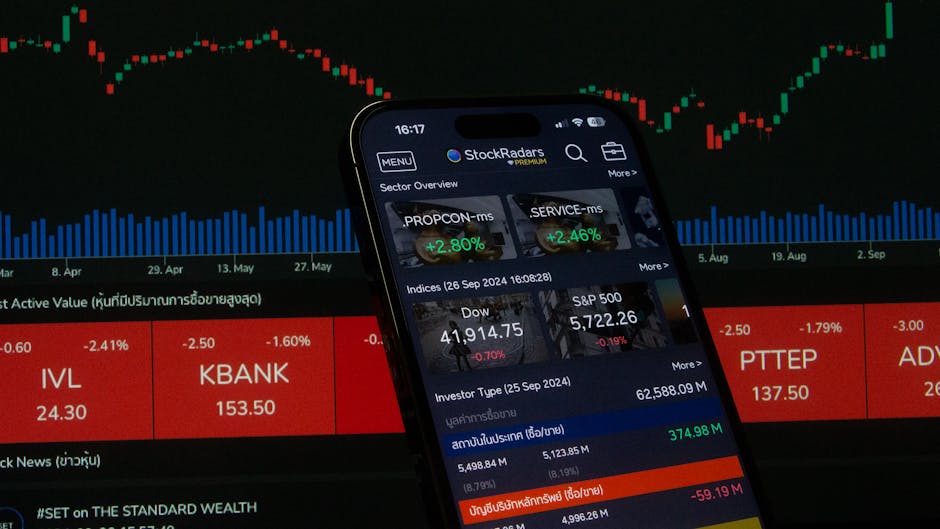
Chinese authorities have launched a series of new support measures aimed at stabilizing the country's volatile stock markets. This intervention follows a difficult October for the CSI300 index, which experienced its worst monthly performance since early 2016 with an 8.5% decline. Policymakers are seeking to restore investor confidence as the world's second-largest economy continues to navigate sluggish consumer spending and a persistent debt crisis in the property sector.
The People's Bank of China (PBOC) is taking a central role in these efforts by utilizing swap operations to inject more than 100 billion yuan into the financial system. Additionally, the central bank has moved to cut the buyback lending rate from 1.25% to 1%. This marks the third time the PBOC has employed this specific liquidity tool, which was originally created to assist brokers, insurers, and fund companies in securing capital for stock purchases.
Beyond direct liquidity injections, regulators are encouraging major index companies and leading technology firms to take steps to stabilize their share prices. Authorities are also currently reviewing plans to ease margin rules, a move intended to increase overall market liquidity. These actions reflect a broader commitment from Beijing to safeguard capital market stability during a period of global economic uncertainty.
Market analysts have noted that these interventions serve as a clear signal of the government's priorities. Hao Zhou, a Hong Kong-based analyst at Guotai Haitong Securities, stated that the swap operations demonstrate a strong commitment to supporting investor confidence. He added that global volatility and external uncertainties continue to weigh heavily on the sentiment of market participants.
The impact of these measures was visible on November 2, when the Shanghai Composite Index climbed 1.1%. This represented the index's largest one-day percentage gain since late August. Despite this positive movement, the broader economic environment remains complex due to the ongoing challenges within the real estate industry.
Separate from the stock market initiatives, the Chinese government has also begun a recapitalization program for financial institutions. A combined 360 billion yuan is being directed toward state lenders and insurers, with funding led by the Ministry of Finance and major state-owned enterprises. This initiative is notable as it marks the first time Beijing has extended such support to the insurance sector, which has faced increasing solvency pressures.
While these measures are significant, some market observers have pointed out that the scale of the recapitalization was smaller than what many investors had initially anticipated. The property sector continues to be a primary source of concern, with developers struggling under the weight of debt and unfinished projects. The ongoing crisis in this sector has had a ripple effect, impacting consumer confidence and domestic demand.
Economic data from earlier in the year highlighted a growing divide within the Chinese economy. While the manufacturing and technology sectors have shown resilience, driven by a boom in advanced production, household spending has remained weak. This divergence presents a difficult balancing act for policymakers who must manage industrial growth while addressing the drag caused by the housing market downturn.
International trade and global macroeconomic conditions also play a role in the current situation. Businesses remain cautious about committing new capital, and the persistent weakness in domestic consumption has led to slower gross domestic product growth. These factors contribute to the overall environment of uncertainty that authorities are attempting to mitigate through their recent policy shifts.
Looking ahead, the effectiveness of these interventions will depend on the government's ability to address the underlying structural issues in the property market. Analysts suggest that while liquidity measures provide temporary relief, long-term stability will require more comprehensive solutions. The market will continue to monitor how these policies evolve as Beijing balances its support for financial institutions with the need for broader economic reform.
You've reached your free article limit
You've read 10 of 10 free articles this month. Subscribe to Planet Earth News Network for unlimited access to neutral, global journalism — plus puzzles, podcasts, and the weekly newsletter.
Already a subscriber? Sign in.
Ask the Author
Subscribers can ask the journalist a question about this story. Subscribe to ask.
Neutrality note
Auto-harvested from global news wires and presented neutrally by PENN.
to vote
Comments
No comments yet — be the first to share your thoughts.