
China Initiates Sweeping Program to Rehabilitate Acidified Farmland for National Food Security
The Ministry of Agriculture and Rural Affairs aims to improve soil health across major agricultural regions to boost long-term grain production capacity.

PENN Explainer
Hear this story explained in 90 seconds.
The Chinese Ministry of Agriculture and Rural Affairs has launched a comprehensive initiative to address the widespread problem of soil acidification across the country. This effort focuses on improving farmland quality to better protect national food security as rural regions face increasing pressure to maintain high crop yields. Soil acidification, which lowers the pH level of the earth, can significantly hinder plant growth by washing away essential nutrients like calcium and magnesium. Agricultural experts note that while some soil acidification occurs naturally through rainfall, human activities have accelerated the process. Intensive farming practices and the long-term, imbalanced use of nitrogen-based chemical fertilizers are identified as primary contributors to the degradation. This decline in soil health poses a significant threat to both the quality of agricultural products and the overall stability of grain supplies. Priority areas for this project include the red and lateritic red soil regions in southern China, as well as the Yangtze River basin. Authorities are also targeting the Yunnan-Guizhou Plateau and parts of southwest and northeast China. These areas contain high concentrations of degraded soil that require urgent intervention to restore productivity. To combat this, the government is promoting a mix of regional, technology-supported measures. Recommended techniques include the application of lime to raise soil pH, increased use of organic fertilizers, and the incorporation of crop straw back into the land. Farmers are also being encouraged to balance their fertilizer use and implement crop rotation cycles to naturally restore the land. This initiative follows years of targeted pilot projects, such as a 2023 program that selected 20 counties across 15 provinces to test rehabilitation methods. By monitoring and evaluating the success of these efforts, officials hope to refine their approach for a larger national rollout. The government emphasizes that scientific fertilization and improved farming conditions are essential for long-term sustainability. Beyond individual farm practices, the Ministry is establishing new standards for monitoring soil quality. These standards will help local agricultural departments track improvements and ensure that intervention strategies are working as intended. The ultimate goal is to stabilize and eventually increase grain production capacity by 2030. This move comes at a time when many nations are grappling with the effects of climate change on food systems. Unpredictable weather, such as floods and droughts, has made the health of agricultural soil even more important for maintaining consistent outputs. By securing the ground beneath their feet, policymakers believe they can better withstand external environmental shocks. International organizations have long warned that soil degradation is a global challenge that requires consistent attention. While China's current focus is on its own internal agricultural capacity, the techniques developed during this project may provide valuable data for other regions facing similar soil health crises. Sharing these findings could eventually assist in global efforts to preserve arable land. As the program moves forward, local governments are expected to play a crucial role in delivering technical assistance to rural communities. Training farmers on the proper use of soil-testing kits and providing information on alternative fertilization methods are key parts of the plan. This educational component is seen as a vital link between government policy and on-the-ground reality. Critics and supporters alike are watching the initiative to see how quickly it can scale across such a vast and diverse landscape. If successful, the project could serve as a model for large-scale ecological management in the agriculture sector. The focus remains on striking a balance between high-intensity production and the long-term stewardship of natural resources.
Ask the Author
Subscribers can ask the journalist a question about this story. Subscribe to ask.
Neutrality note
Auto-harvested from global news wires and presented neutrally by PENN.
to vote
Comments
No comments yet — be the first to share your thoughts.
Related stories in Agriculture & Food Security
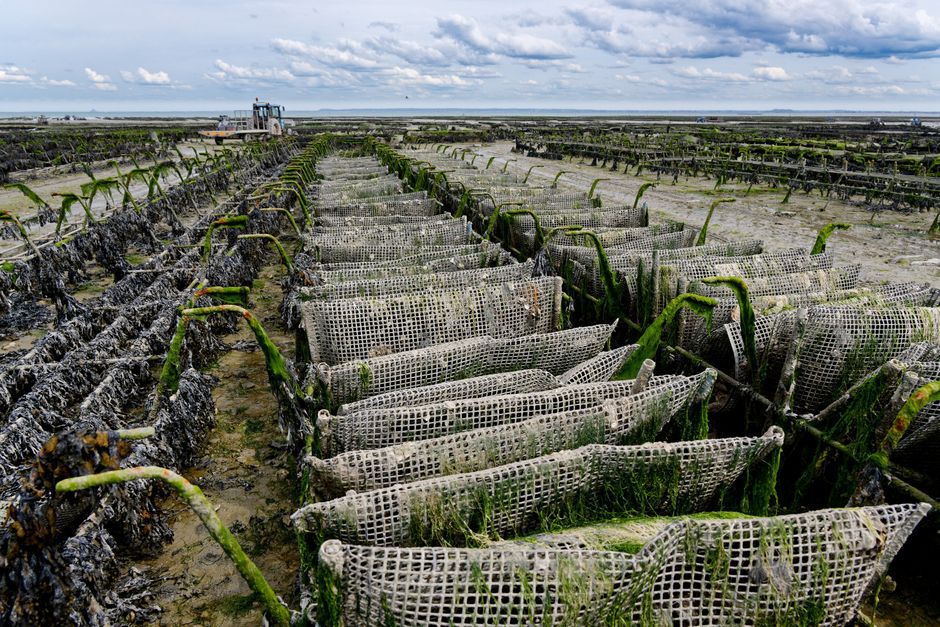
New Research Highlights Seaweed Integration as Key to Sustainable Aquaculture
2026-09-30
China-Egypt Research Partnership Develops Salinity-Tolerant Tilapia
2026-09-30