Politicsen
Chinese President Xi Jinping Visits Egypt in Diplomatic Return to Middle East
The visit marks Beijing's first high-level presidential trip to Cairo in a decade amid shifting regional alliances and security developments
PENN Explainer
Hear this story explained in 90 seconds.
Chinese President Xi Jinping arrived in Cairo for an official diplomatic visit to Egypt, marking his first trip to the North African nation in ten years. The visit represents a significant moment in Beijing's diplomatic engagement across the wider Middle East and North Africa. Egyptian President Abdel Fattah el-Sisi received the Chinese leader at the presidential palace, where both heads of state conducted bilateral discussions regarding economic investments, infrastructure projects, and broader regional stability.
The bilateral agenda focused heavily on trade ties and infrastructure commitments under China's Belt and Road Initiative. Over the past decade, Chinese state enterprises have invested billions of dollars into Egyptian development, including major portions of the New Administrative Capital project outside Cairo and the expansion of logistics hubs along the Suez Canal Economic Zone. Egyptian officials have viewed these partnerships as critical mechanisms for foreign direct investment, employment generation, and industrial modernization.
Discussions between the two leaders also addressed growing geopolitical complexity across the Red Sea and surrounding waterways. Disruptions to commercial navigation through the Suez Canal have created financial pressures for Egypt, which relies significantly on transit revenues generated by maritime traffic. Chinese officials emphasized the importance of secure shipping lanes for global commerce, noting that stable transit through the canal directly benefits international trade corridors connecting Asia with European markets.
Regional security and conflict de-escalation formed an important pillar of the diplomatic exchange. President Xi and President el-Sisi held talks on peace efforts in the region, particularly focusing on humanitarian concerns in Gaza and efforts toward sustainable regional diplomacy. Egyptian foreign ministry representatives reiterated Cairo's ongoing mediation role, while Chinese delegates expressed support for broader multilateral solutions that respect established international law and state sovereignty.
The diplomatic summit comes at a time when traditional international partnerships across the Middle East are experiencing strategic adjustments. Gulf states and North African governments have pursued diversified foreign relationships, expanding trade and technological ties with Beijing alongside traditional defense partnerships with Western nations. Analysts noted that Beijing seeks to position itself as a reliable development partner and constructive diplomatic interlocutor without entering formal military commitments.
Energy cooperation and clean technology were also spotlighted during the ministerial sessions accompanying the presidential summit. Egyptian Minister of Electricity and Renewable Energy Mahmoud Esmat and counterpart officials examined joint proposals concerning solar energy installations, green hydrogen manufacturing, and grid modernization. Egypt aims to leverage its solar potential to transition its energy mix, while Chinese manufacturers continue to expand their export footprint in clean energy hardware.
Financial arrangements and local currency settlement mechanisms were another point of practical engagement. Both governments evaluated frameworks to expand the use of local currencies in commercial transactions, aiming to mitigate foreign exchange risks and reduce reliance on third-party currency reserves. Egyptian central bank figures and Chinese trade representatives have previously discussed currency swap lines to facilitate bilateral import and export settlements.
Humanitarian issues and multilateral cooperation within international bodies were also raised during the meetings. Both administrations affirmed their commitment to working closely within international platforms such as the United Nations and the expanded BRICS bloc, of which Egypt recently became a full member. Membership in BRICS has provided Cairo with additional channels to negotiate development loans through the New Development Bank.
Freedom of speech, regional civic stability, and equitable economic growth remain central themes among observers assessing Egypt's international agreements. Civil society advocates have emphasized that large-scale infrastructure investments should prioritize direct benefits to local workers and ensure high standards of transparency. Both governments reaffirmed their view that domestic economic stability forms the cornerstone for civic welfare and national development.
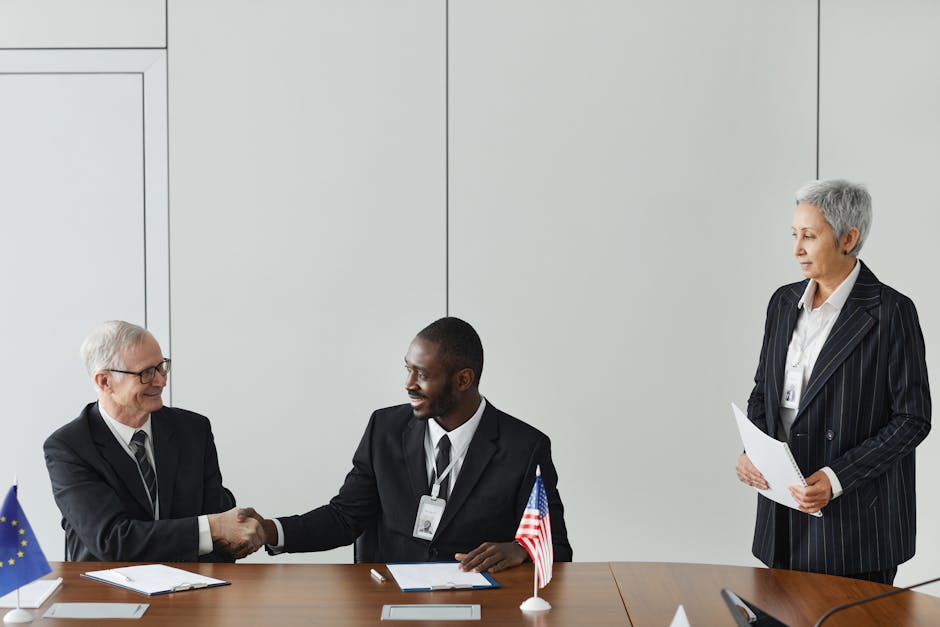
President Xi's visit concluded with the formal signing of several memorandums of understanding covering maritime logistics, telecommunications infrastructure, and agricultural cooperation. The official delegation departs Egypt for subsequent diplomatic engagements, leaving in place bilateral working groups tasked with monitoring the execution of the newly announced trade and infrastructure agreements.
Ask the Author
Subscribers can ask the journalist a question about this story. Subscribe to ask.
Neutrality note
Auto-harvested from global news wires and presented neutrally by PENN.
to vote
Comments
No comments yet — be the first to share your thoughts.