Civil Society Groups Face Increasing Restrictions in Tunisia
Human Rights Watch reports a growing crackdown on independent organizations and activists in Tunisia.
PENN Explainer
Hear this story explained in 90 seconds.
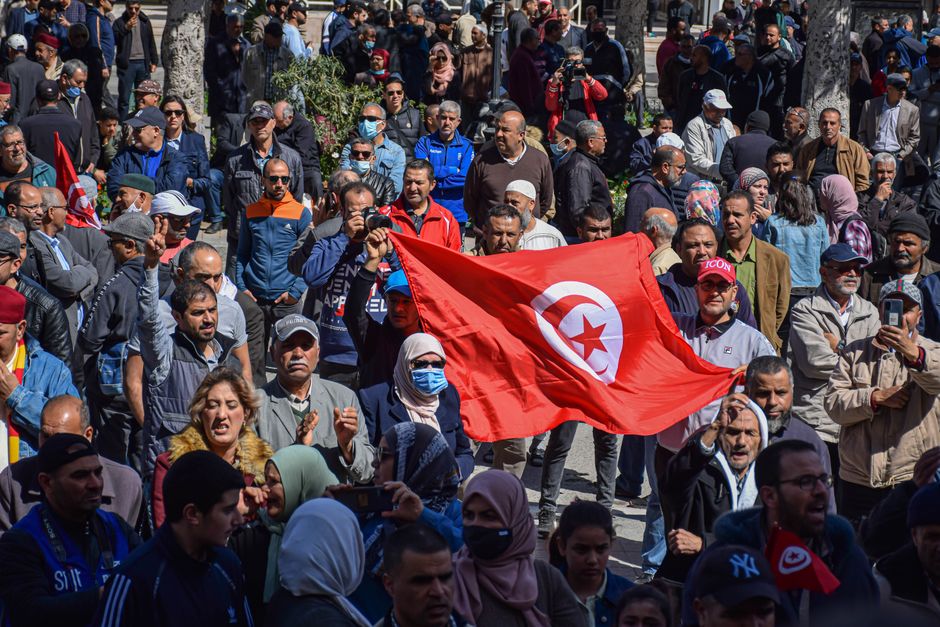
Independent civil society organizations in Tunisia are currently facing a period of significant pressure and restriction. According to recent reports from Human Rights Watch, the government has implemented measures that limit the ability of these groups to operate freely. This development has raised concerns among international observers regarding the state of civil liberties in the country. The situation highlights the ongoing challenges faced by activists who work to promote human rights and democratic values. Many organizations now report that their daily operations are being hindered by new administrative hurdles and increased scrutiny. These actions have led to a climate of uncertainty for those involved in advocacy and public interest work. The government has not provided extensive public comment on these specific administrative changes, leaving many to speculate on the long-term impact for Tunisian democracy. International human rights groups continue to monitor the situation closely, calling for the protection of fundamental freedoms. Freedom of assembly and the right to organize are essential components of a healthy society, according to international standards. Observers note that the current environment in Tunisia serves as a reminder of how quickly the space for civil society can shrink. The international community remains focused on ensuring that the voices of activists are not silenced during this period of transition. Future developments will likely depend on the government's willingness to engage in dialogue with civil society representatives. Maintaining an open and transparent environment is often cited as a key factor in fostering stability and public trust. As the situation evolves, the global community continues to watch for signs of improvement or further restriction.
Ask the Author
Subscribers can ask the journalist a question about this story. Subscribe to ask.
Neutrality note
Auto-harvested from global news wires and presented neutrally by PENN.
to vote
Comments
No comments yet — be the first to share your thoughts.
Related stories in Human Rights
International Organization for Migration Raises Alarm Over Migrant Tragedy Near Canary Islands
2026-09-25
United Nations Raises Concerns Over New Child Detention Laws in Türkiye
2026-09-25