Community of the Day: Chefchaouen, Morocco
The Blue Pearl of the Rif Mountains
PENN Explainer
Hear this story explained in 90 seconds.
Chefchaouen, Morocco
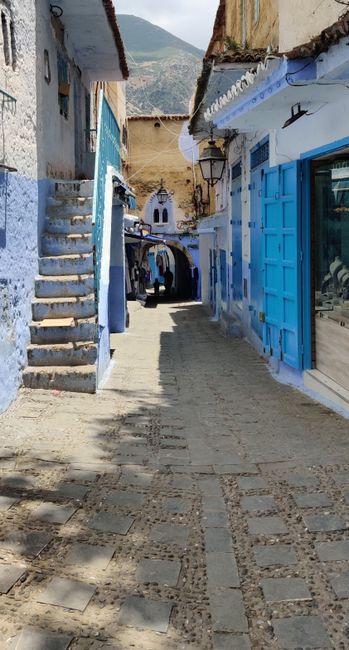
Nestled high in the rugged Rif Mountains of northwest Morocco, Chefchaouen is a mesmerizing mountain town world-renowned for its striking, monochromatic blue-washed architecture. Founded in 1471 as a small fortress to defend against Portuguese invasions, this "Blue City" has evolved from a secluded mountain outpost into a vibrant cultural hub that blends Andalusian, Berber, and Arab influences.
- Chefchaouen was established in 1471 by Moulay Ali Ben Rachid as a strategic military base. Its original purpose was to serve as a defensive stronghold against the expansion of Portuguese forces in northern Morocco.
- The city's name, Chefchaouen, translates to "two horns" in the local Berber language. This name refers to the distinctive twin mountain peaks that tower directly above the town, providing a dramatic natural backdrop.
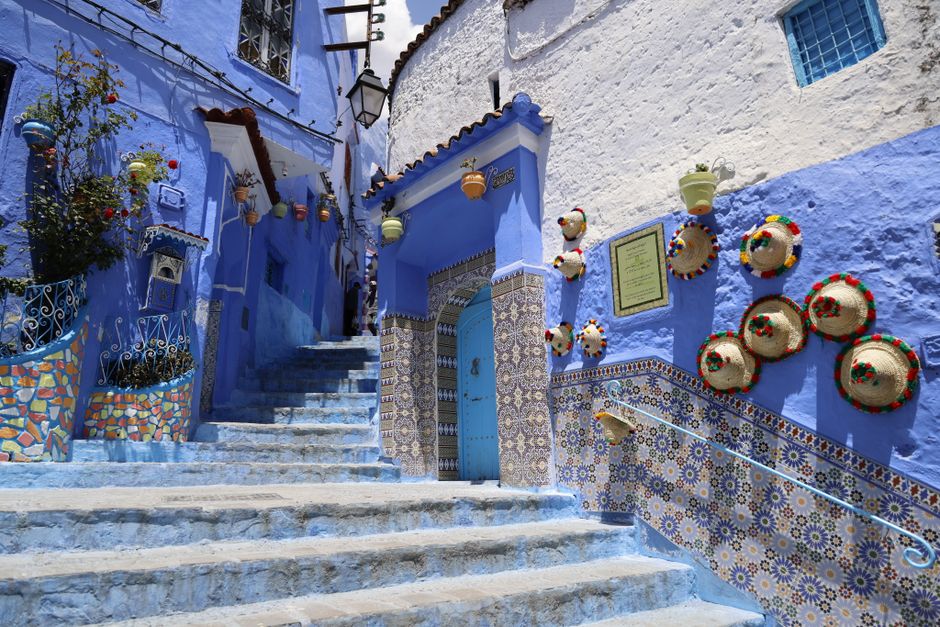
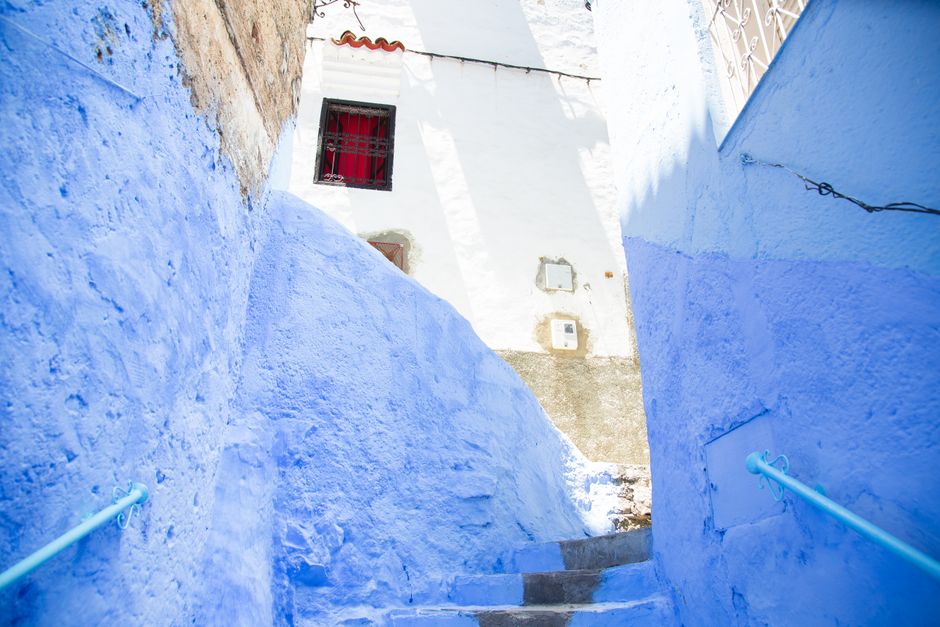
- The most iconic feature of the city is its vibrant blue-painted buildings. While the exact origin of this tradition is debated, many believe it was introduced by Jewish refugees who settled in the city, using the color to symbolize the sky and heaven.
- Another practical theory for the blue paint suggests it was historically used to repel mosquitoes. Regardless of the origin, the practice has become a defining element of the city's identity and a major draw for international travelers.
- The city's medina, or old town, retains a strong Andalusian character. This architectural style is a legacy of the refugees who arrived from Spain following the Reconquista in the late 15th century, creating a unique aesthetic distinct from other Moroccan cities.
- The Spanish Mosque, located on a hilltop overlooking the city, was built in the 1920s during the Spanish protectorate era. Although it was never regularly used for worship, it now serves as a popular viewpoint for visitors to see the entire blue-washed town at sunset.
- Chefchaouen has historically been a center for traditional crafts and pottery. Local artisans continue to produce intricate textiles, leather goods, and ceramics that reflect the diverse cultural heritage of the Rif region.
- The city is known for its serene atmosphere, which contrasts sharply with the bustling energy of larger Moroccan urban centers like Marrakech or Fez. This tranquility has made it a favored destination for artists, photographers, and those seeking a slower pace of life.
- The local economy has shifted significantly toward tourism in recent years. While it was once a quiet, isolated mountain town, it is now a staple on many Moroccan travel itineraries, offering a range of guesthouses and cultural experiences.
- The city's layout is a maze of narrow, winding cobblestone streets and staircases. These pedestrian-friendly alleys are lined with colorful flowerpots and vibrant textiles, creating a visually stunning environment that is often referred to as a photographer's dream.
Photo Gallery
Ask the Author
Subscribers can ask the journalist a question about this story. Subscribe to ask.
Nota neutralitatis
Community of the Day feature by PENN editorial.
to vote
Comments
No comments yet — be the first to share your thoughts.
Author
Planet Earth News Travel DeskSenior Editor, Planet Earth News Network
View all articles by Desk →