Community of the Day: Kotor, Montenegro
A Venetian-era jewel nestled within the dramatic limestone cliffs of the Adriatic coast.
PENN Explainer
Hear this story explained in 90 seconds.
Kotor, Montenegro
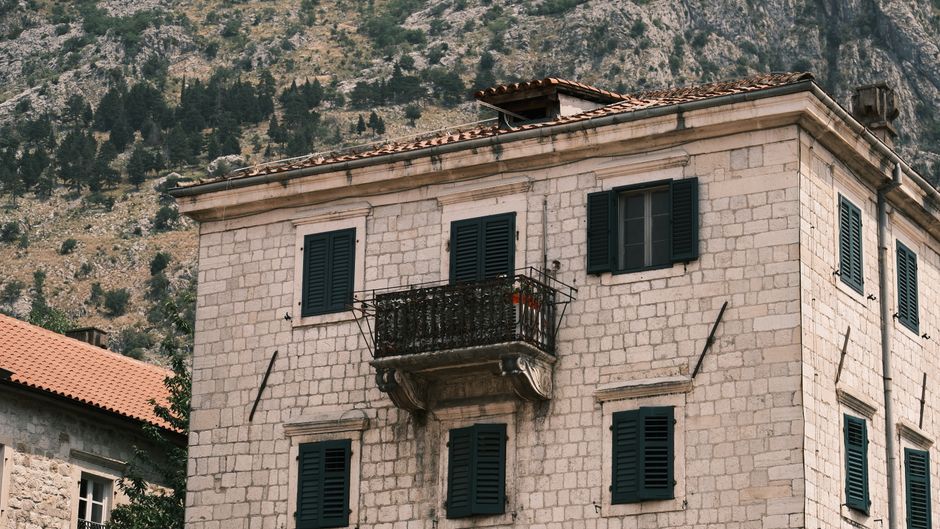
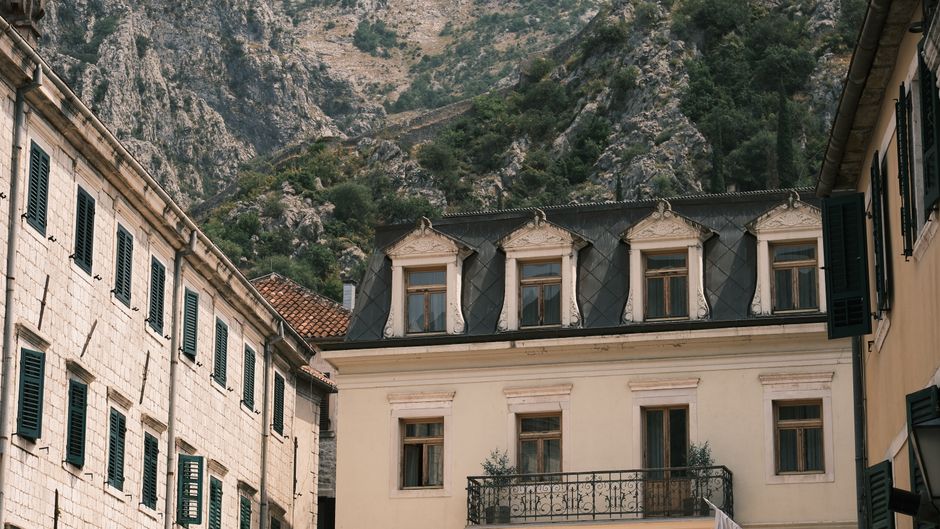
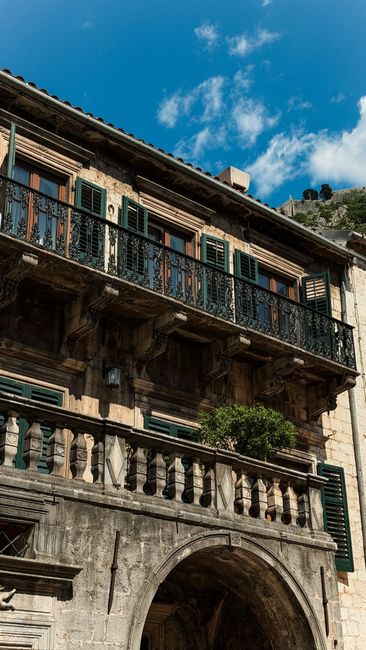
Kotor is a stunning coastal town in Montenegro, renowned for its well-preserved medieval Old Town and its dramatic location at the edge of the Bay of Kotor. As a UNESCO World Heritage site, it serves as a living museum of Adriatic history, where Roman, Venetian, and Austro-Hungarian influences converge in a labyrinth of stone alleys and historic squares.
- Kotor's history is deeply intertwined with the Republic of Venice, which ruled the city for nearly 400 years. This long period of Venetian influence is still visible today in the city's distinct architecture, fortifications, and cultural traditions that define its unique character.
- The Old Town of Kotor is a UNESCO World Heritage site, recognized for its exceptional preservation of medieval urban planning. Visitors can wander through narrow, winding stone streets that open into charming plazas, all enclosed by massive defensive walls that have protected the city for centuries.
- The Cathedral of St. Tryphon stands as the grandest building in the Old Town, with its foundations dating back to 1166. Dedicated to the city's patron saint, the cathedral features a complex facade that reflects centuries of reconstruction following various earthquakes and historical conflicts.
- Kotor is famous for its impressive city walls, which climb the steep slopes of the San Giovanni mountain behind the town. The fortress at the top offers a challenging hike, but it rewards visitors with one of the most breathtaking panoramic views of the entire Bay of Kotor.
- The Bay of Kotor itself is often described as Europe's southernmost fjord, though it is technically a submerged river canyon. Its calm, deep waters are surrounded by towering limestone cliffs, creating a dramatic and serene landscape that has attracted travelers for generations.
- Cats are considered the unofficial mascots of Kotor and are a beloved part of the local culture. You will find them lounging in the shade of ancient stone buildings or being cared for by locals in the many squares throughout the Old Town.
- The city hosts a vibrant carnival tradition that dates back centuries, with major celebrations occurring in both February and the summer. During these events, locals don elaborate masks and costumes, parading through the streets to celebrate their heritage and bid farewell to the past year's misfortunes.
- Economically, Kotor has transitioned into a major hub for cruise tourism in the Adriatic. The arrival of large ships brings thousands of visitors daily, fueling a local economy that relies heavily on hospitality, guided tours, and the preservation of its cultural landmarks.
- The town is a gateway to the wider Boka Kotorska region, which includes the nearby baroque town of Perast and the iconic island church of Our Lady of the Rocks. These sites are easily accessible by boat, allowing visitors to explore the maritime history of the bay beyond the city walls.
- Kotor's resilience is a testament to its people, who have rebuilt the city multiple times following devastating earthquakes and foreign occupations. This spirit of endurance has allowed the town to maintain its medieval charm while adapting to the demands of the modern world.
Photo Gallery
Ask the Author
Subscribers can ask the journalist a question about this story. Subscribe to ask.
Nota de neutralidad
Community of the Day feature by PENN editorial.
to vote
Comments
No comments yet — be the first to share your thoughts.
Author
Planet Earth News Travel DeskSenior Editor, Planet Earth News Network
View all articles by Desk →