Community of the Day: Kumasi, Ghana
Exploring the Cultural Heart of the Ashanti Kingdom
PENN Explainer
Hear this story explained in 90 seconds.
Kumasi, Ghana
Kumasi, the vibrant capital of the Ashanti Region, serves as the cultural and historical heartbeat of Ghana. Known for its rich heritage, bustling markets, and deep-rooted traditions, this city remains a pivotal center for the Ashanti people and the nation at large.
- Kumasi was founded in the late 17th century and served as the historic capital of the powerful Ashanti Empire. Under the leadership of Osei Kofi Tutu I, the city grew into a significant political and military center. It remains a symbol of Ashanti pride and historical resilience today.
- The name Kumasi is derived from the Twi word 'Kumase,' which translates to 'under the kum tree.' According to local tradition, the priest Okomfo Anokye planted an Okum tree in Kwaman, which became the namesake for the settlement. This origin story remains a central part of the city's identity.
- During the mid-20th century, the city earned the prestigious nickname 'The Garden City of West Africa.' This title was attributed to the colonial government's efforts to introduce extensive green belts, parks, and beautiful residential landscaping. These efforts helped define the city's aesthetic character for decades.
- Kumasi is home to the Kejetia Market, which is widely recognized as the largest open-air market in West Africa. It serves as a massive commercial hub where thousands of traders sell everything from traditional Kente cloth to fresh local produce. The market is a vital engine for the city's economy.
- The city is the seat of the Asantehene, the traditional ruler of the Ashanti people. The current monarch, Otumfuo Osei Tutu II, resides in Kumasi and continues to play a significant role in the social and cultural life of the region. Ashantis from across the globe look to the city as their spiritual and traditional home.
- The Ashanti Region, with Kumasi as its capital, is a major producer of gold and cocoa, which are essential to Ghana's national economy. These resources have historically fueled the wealth and influence of the region. The city acts as the primary logistics and trade center for these valuable commodities.
- Kumasi is celebrated as the cultural cradle of Ghana, hosting vibrant festivals such as the Adae Kese. These events showcase traditional drumming, dancing, and the display of royal regalia, offering a window into ancient customs. Visitors often travel to the city specifically to witness these profound cultural expressions.
- The city is located approximately 200 kilometers from Accra and is situated near the scenic Lake Bosomtwe. Its geography features a tropical climate that supports lush vegetation and diverse plant life. This location makes it a strategic point for travel and commerce within the interior of the country.
- Kumasi has a long history of religious diversity, including a significant Muslim community that dates back to the early 19th century. Historical records from explorers like Dupuis documented a thriving Muslim population in the city as early as 1820. This history is reflected in the city's early establishment of Islamic schools.
- The city is home to the famous Asante Kotoko, one of the most successful and popular football clubs in Ghana. The team has a storied history in the Ghana Premier League and serves as a major source of civic pride for the residents of Kumasi. Matches involving the club are major social events that unite the community.
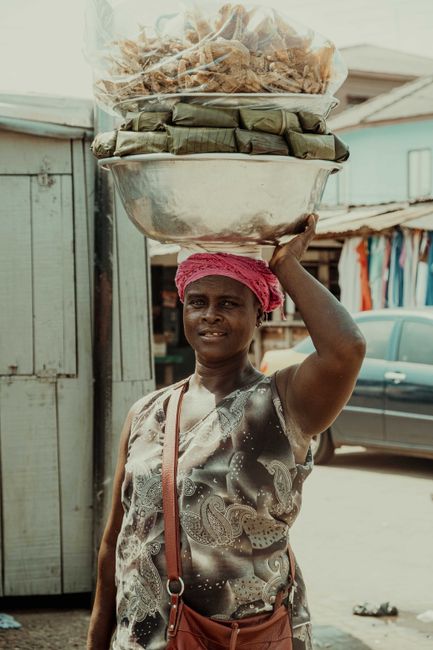
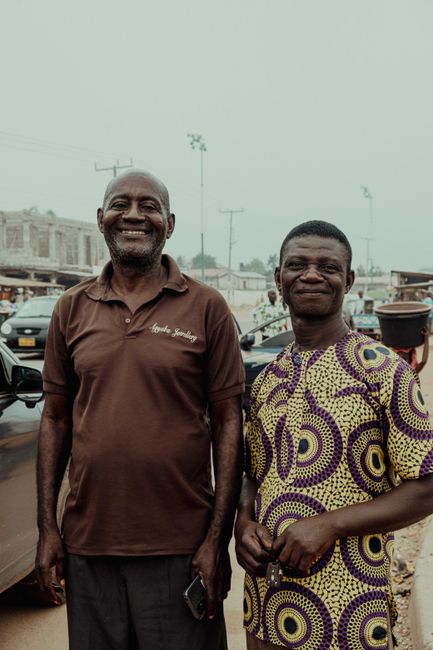
Photo Gallery
Ask the Author
Subscribers can ask the journalist a question about this story. Subscribe to ask.
Заметка о нейтральности
Community of the Day feature by PENN editorial.
to vote
Comments
No comments yet — be the first to share your thoughts.
Author
Planet Earth News Travel DeskSenior Editor, Planet Earth News Network
View all articles by Desk →