Community of the Day: Luxor, Egypt
Discover the storied capital of the pharaohs, where ancient monuments meet modern river life along the Nile.
PENN Explainer
Hear this story explained in 90 seconds.
Luxor, Egypt
Straddling the banks of the Nile in Upper Egypt, Luxor stands as one of humanity’s greatest cultural and archaeological treasures. Formerly known as ancient Thebes, this vibrant community combines an incomparable concentration of monumental history with bustling markets, rich religious traditions, and a dynamic local economy.
- The Ancient Capital of Thebes: Modern Luxor was built directly over the ruins of ancient Thebes, the glorious capital of Egypt during the New Kingdom period. Dubbed the 'City of a Hundred Gates' by ancient Greek poet Homer, it served as the political, administrative, and religious center of Egyptian power for centuries. Today, it remains one of the oldest continuously inhabited urban centers on Earth, bridging thousands of years of human settlement.
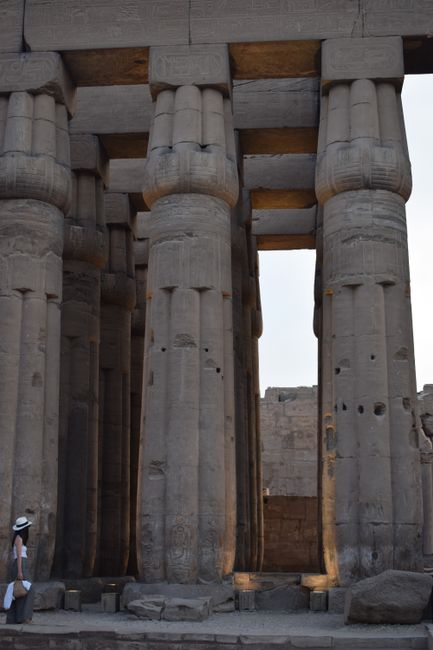
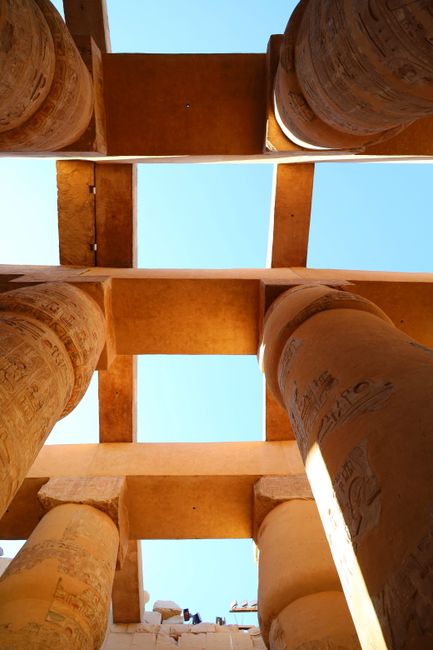
- World's Greatest Open-Air Museum: Luxor is frequently celebrated as the world's largest open-air museum due to its extraordinary density of intact monumental architecture. The complex contains iconic structures such as Karnak and Luxor Temple on the river's east bank, alongside tombs and mortuary temples on the west bank. In 1979, UNESCO inscribed Ancient Thebes with its Necropolis onto the World Heritage list, formally recognizing its unmatched global archaeological value.
- The Geography of Two Banks: Geographically and symbolically, Luxor is bifurcated by the majestic waters of the Nile River into the East and West Banks. In ancient Egyptian cosmology, the East Bank represented life, sunrise, and civic activity where people lived and prayed, while the West Bank stood for sunset, death, and eternity where pharaohs and nobles were laid to rest. Today, this distinctive geographical split continues to structure both the city's urban layout and its tourism movement.
- A Multi-Layered Spiritual Heritage: Luxor embodies religious coexistence and multi-faith evolution spanning ancient polytheism, Coptic Christianity, and Islam. During the Coptic era, early Christian communities constructed churches directly within and around older pharaonic temples, leaving surviving wall frescoes and architectural adaptations. Built directly atop the ruins of the Luxor Temple court in the 13th century, the Mosque of Abu Haggag remains active today, illustrating an unbroken line of spiritual devotion across eras.
- The Grand Avenue of Sphinxes: Connecting the massive temple complexes of Karnak and Luxor is the ancient Avenue of Sphinxes, an almost three-kilometer ceremonial road once lined with over a thousand stone sphinxes. This grand boulevard served as the processional route for the sacred Opet Festival, during which divine statues of Amun, Mut, and Khonsu were carried in celebration of fertility and divine renewal. Major modern excavation and restoration efforts culminated in its grand reopening to international acclaim.
- Economy of Heritage and Tourism: Tourism forms the cornerstone of modern Luxor's economy, welcoming millions of international and domestic visitors each year. The sector supports a broad array of livelihoods, including tour operators, traditional felucca captains, boutique hotels, and handicraft artisans. Luxor is also famous for its sunrise hot air balloon industry, offering visitors a panoramic aerial view over ancient archaeological sites and fertile riverbanks.
- Agricultural Heart of Upper Egypt: Beyond the bustling tourism districts, Luxor functions as an essential agricultural hub serving rural Upper Egyptian farming communities. The fertile Nile floodplain provides prime soil for intensive cultivation, with sugarcane dominating local regional farming alongside wheat, dates, and fresh produce. Local open-air souks and trading centers thrive on the distribution of these crops across Upper Egypt.
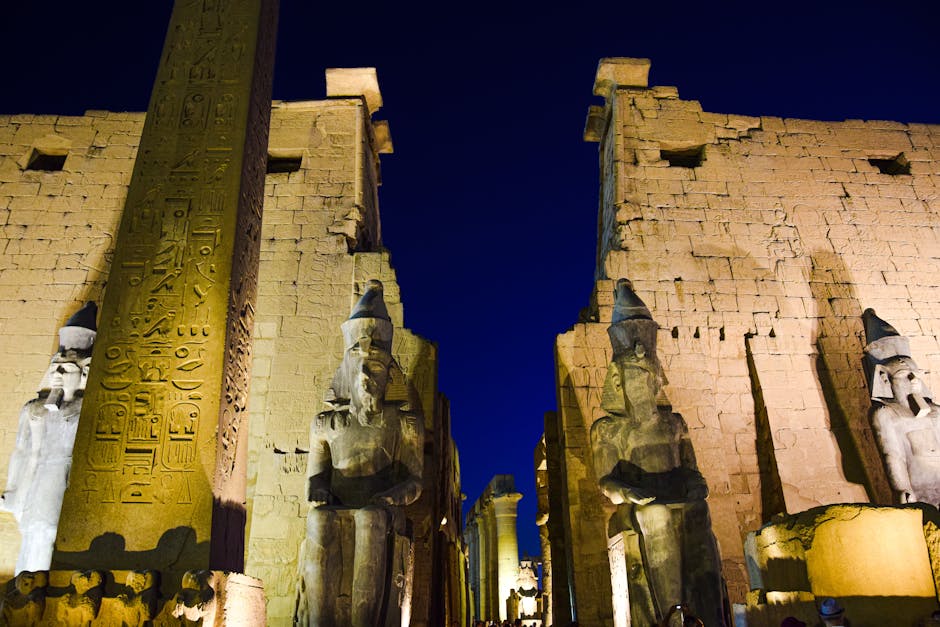
- The Missing Paris Obelisk: Guarding the entrance pylon of Luxor Temple was originally a matched pair of colossal granite obelisks commissioned during the reign of Ramesses II. In 1829, Egypt's ruler Muhammad Ali Pasha gifted one of these monumental 250-ton obelisks to King Louis Philippe of France. It took years of engineering feats to transport the monolith to Paris, where it still stands at the center of the Place de la Concorde, while its companion remains anchored in Luxor.
- Recent Discoveries and the Golden City: Archaeological research around Luxor remains vibrant and continuously reshapes our understanding of ancient times. In April 2021, an Egyptian archaeological team unearthed 'Aten,' a remarkably intact 3,400-year-old lost golden city founded by Amenhotep III near the West Bank. The settlement features complete mud-brick rooms, administrative centers, bakeries, and workshops, making it the largest administrative and industrial city from ancient Egypt ever discovered.
- Local Community and Artisan Culture: Modern Luxor is home to a warm and welcoming population rooted in traditional Upper Egyptian, or Sa'idi, culture and values. The city's inhabitants maintain time-honored artisanal crafts, notably skilled alabaster carving, wheel-thrown pottery, and weaving traditions passed down through generations. These living traditions thrive alongside contemporary infrastructure, creating a dynamic municipal identity that bridges modern daily life with ancient heritage.
Photo Gallery
Ask the Author
Subscribers can ask the journalist a question about this story. Subscribe to ask.
Neutrality note
Community of the Day feature by PENN editorial.
to vote
Comments
No comments yet — be the first to share your thoughts.
Author
Planet Earth News Travel DeskSenior Editor, Planet Earth News Network
View all articles by Desk →