Community of the Day: Ouidah, Benin
A coastal city defined by its complex history, spiritual heritage, and resilience.

PENN Explainer
Hear this story explained in 90 seconds.
Ouidah, Benin
Ouidah is a historic coastal city in the Republic of Benin that serves as a profound site of memory and a spiritual center for the Vodoun religion. Once a major hub for the transatlantic slave trade, the city now balances its somber past with a vibrant cultural identity that connects the African continent to the global diaspora.
- Ouidah is located in the Atlantique Department of Benin, situated along the Gulf of Guinea. Its coastal geography played a pivotal role in its development as a major maritime trading port during the 17th and 18th centuries.
- The city was formerly the chief port of the Kingdom of Whydah, a powerful polity that rose to prominence in the 1650s. It eventually fell to the inland Kingdom of Dahomey in 1727, which shifted the regional power dynamics significantly.
- Ouidah is widely recognized as the spiritual capital of Vodoun, an official national religion in Benin. The government has actively promoted the city as a central pillar of the nation's cultural tourism identity.
- The "Route des Esclaves," or Slave Route, is a poignant path in Ouidah that leads from the original slave auction plaza to the beach. This route marks the final steps taken by millions of people before they were forcibly deported across the Atlantic.
- At the end of the Slave Route stands the "Door of No Return," a monumental arch built in 1992. This memorial serves as a site of reflection and remembrance for the victims of the transatlantic slave trade.
- European involvement in the city began in the late 17th century, with the French, English, Dutch, and Portuguese establishing various forts and trading posts. The Portuguese fort, São João Baptista de Ajudá, is one of the most notable historical structures in the area.
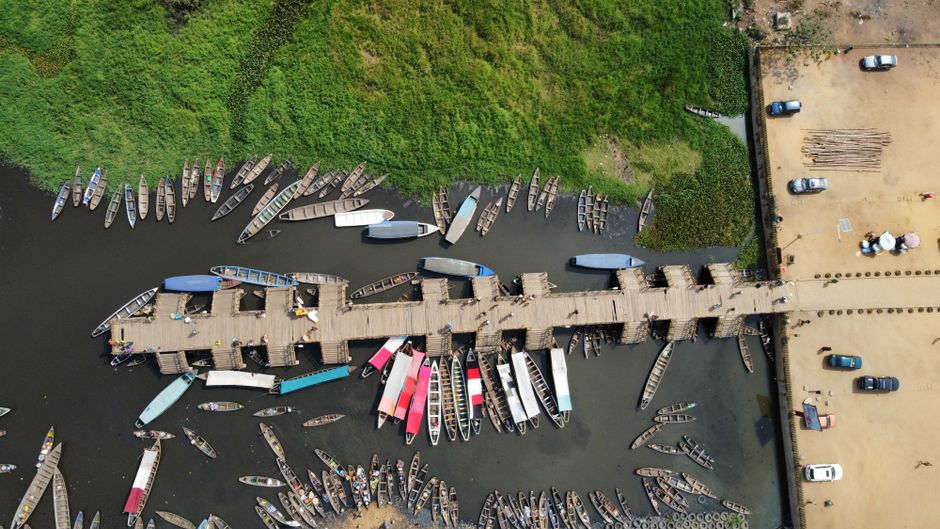
- Before the rise of the Atlantic trade, the local Aja peoples primarily supported themselves through lagoon fishing, agriculture, and hunting. Their transition to a maritime-focused economy was driven by intense competition among European powers for trade access.
- Historians estimate that over the course of two centuries, Ouidah exported more than one million Africans. This volume of trade made it one of the most active slave-trading ports in all of Africa, second only to Luanda.
- In the 1840s, the economic focus of the region shifted as the French established a substantial trade in palm oil and ivory. This period marked a transition from human trafficking to the exchange of raw materials and manufactured goods.
- The city was formally annexed by France in 1886, becoming part of the colonial administrative structure that eventually formed the modern state of Benin. This colonial history left a lasting impact on the city's architecture and administrative systems.
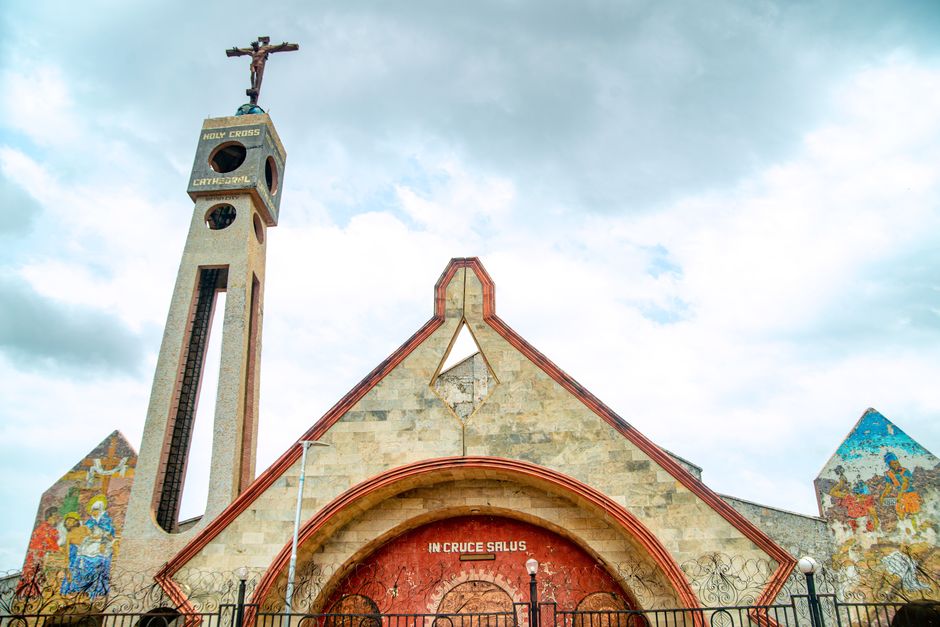
- Ouidah is home to a diverse religious landscape, featuring a mix of Catholic, Protestant, and Muslim places of worship alongside traditional Vodoun temples. This religious pluralism is a defining characteristic of the local community.
- The connection between Ouidah and the Vodoun diaspora in Haiti, Brazil, and the Caribbean is profound. Many cultural practices and beliefs currently found in these regions can be traced directly back to the people who were exported from this port.
- Today, the city has a population of over 80,000 residents who continue to preserve the town's rich heritage. While it is no longer a major commercial port, it remains a vital center for cultural and religious tourism in West Africa.
Photo Gallery
Ask the Author
Subscribers can ask the journalist a question about this story. Subscribe to ask.
तटस्थता टिप्पणी
Community of the Day feature by PENN editorial.
to vote
Comments
No comments yet — be the first to share your thoughts.
Author
Planet Earth News Travel DeskSenior Editor, Planet Earth News Network
View all articles by Desk →