Community of the Day: Sidi Bou Said
A Mediterranean jewel of blue and white perched above the Gulf of Tunis.
PENN Explainer
Hear this story explained in 90 seconds.
Sidi Bou Said, Tunisia
Sidi Bou Said is a picturesque coastal village located about 20 kilometers from the capital city of Tunis, famous for its uniform blue-and-white architecture and stunning Mediterranean views. Originally a religious sanctuary, it has evolved into a world-renowned haven for artists, writers, and travelers seeking inspiration among its winding cobblestone streets and blooming bougainvillea.
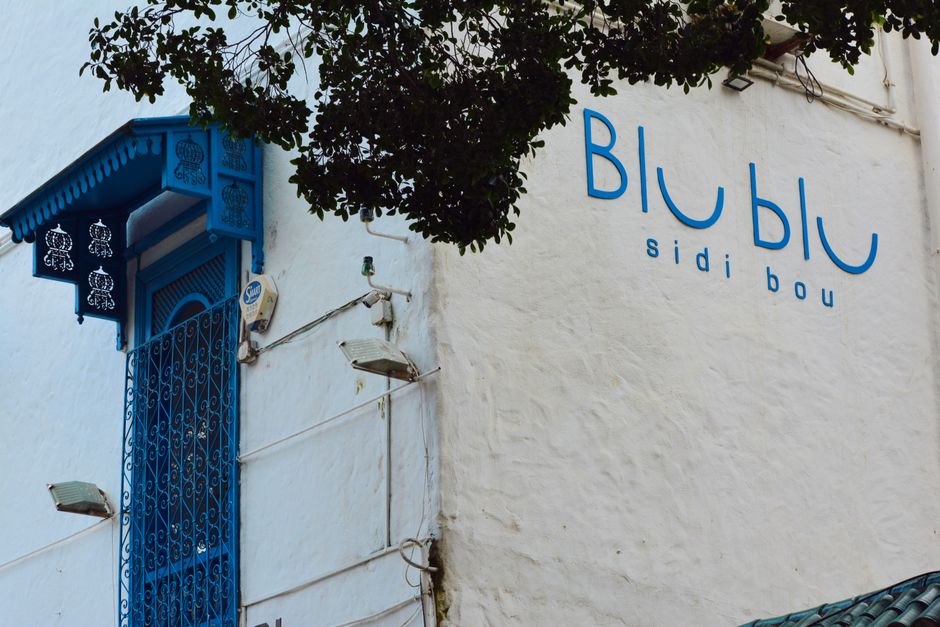
- Visual Identity: Sidi Bou Said is world-renowned for its striking blue-and-white color palette, which covers almost every building in the village. This aesthetic was strictly mandated in the 1920s to preserve the community's unique charm and historical character. Walking through the narrow, cobblestone streets, visitors are greeted by vibrant blue doors and window shutters contrasted against whitewashed walls.
- Geography: The village is situated atop a steep cliff overlooking the Mediterranean Sea and the Gulf of Tunis, offering panoramic views of the water. Its elevated position originally served a strategic defensive purpose, allowing residents to spot incoming ships from a distance. Today, this geography makes it one of the most photographed locations in North Africa.
- Historical Roots: The community is named after Abu Said al-Beji, a Sufi mystic who settled here in the 13th century to practice his faith and provide spiritual guidance. After his death, the site became a place of pilgrimage, and the village grew around his tomb and sanctuary. The spiritual heritage remains a point of pride for the local community, blending religious history with modern living.
- The Baron's Influence: The iconic blue and white theme was largely championed by Baron Rodolphe d'Erlanger, a French painter and musicologist who lived in the village in the early 20th century. He was instrumental in securing a decree that protected the town’s architectural style, ensuring that new developments adhered to the traditional aesthetic. His palace, Ennejma Ezzahra, stands as a testament to his love for North African art and architecture.
- Artistic Haven: For decades, Sidi Bou Said has served as a sanctuary for writers, poets, and painters from around the world. Notable artists such as Paul Klee, August Macke, and Henri Matisse visited the village, finding inspiration in its intense light and geometric forms. This artistic legacy continues today, with numerous galleries showcasing local and international works hidden within the winding alleys.
- Musical Heritage: The Ennejma Ezzahra Palace now serves as the Center for Arab and Mediterranean Music, housing a vast collection of traditional instruments and recordings. It is a vital institution for preserving the musical traditions of the Maghreb and the wider Mediterranean region. The center hosts regular concerts and research initiatives, keeping the community at the heart of regional cultural preservation.
- Café Culture: One of the most famous spots in the village is the Café des Délices, which gained international fame through a song by French singer Patrick Bruel. The cafe features terraced seating that cascades down the hillside, providing a perfect vantage point for watching the sunset over the harbor. Such cafes are central to the community's social life, where locals and visitors gather to drink mint tea flavored with pine nuts.
- Traditional Crafts: The local economy is bolstered by traditional craftsmanship, particularly the production of intricate, wire-mesh birdcages. These cages are distinctively shaped like the village's domed architecture and are painted in the signature blue and white colors. Other local crafts include pottery, leatherwork, and traditional weaving, which are sold in the small boutiques lining the main thoroughfare.
- The Scent of Jasmine: The village is often associated with the scent of jasmine, which grows abundantly in courtyards and over garden walls. In the summer, vendors known as 'Machmoum' sellers walk the streets selling small, fragrant bouquets of jasmine buds. These flowers are deeply symbolic in Tunisian culture, representing beauty, purity, and the historical 'Jasmine Revolution.'
- UNESCO Protection: As part of the wider site of Carthage, Sidi Bou Said is recognized as a UNESCO World Heritage site for its historical and cultural significance. This designation helps protect the village from over-development and ensures that its architectural integrity is maintained for future generations. The balance between being a living community and a protected heritage site is a key focus for local government and residents alike.
Photo Gallery


Ask the Author
Subscribers can ask the journalist a question about this story. Subscribe to ask.
Note de neutralité
Community of the Day feature by PENN editorial.
to vote
Comments
No comments yet — be the first to share your thoughts.
Author
Planet Earth News Travel DeskSenior Editor, Planet Earth News Network
View all articles by Desk →