Community of the Day: Valparaíso
The Bohemian Jewel of the Chilean Coast
PENN Explainer
Hear this story explained in 90 seconds.
Valparaíso, Chile
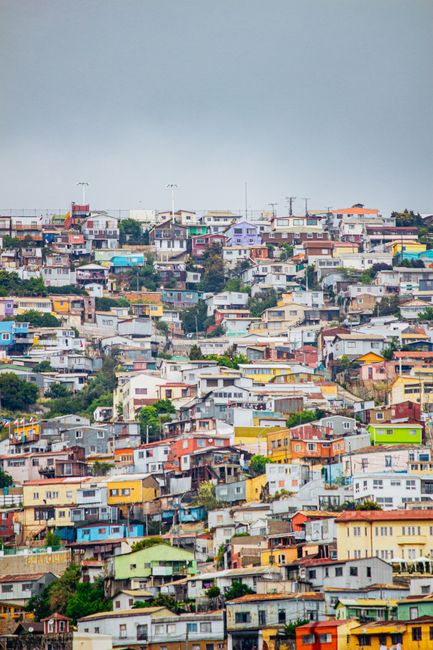
Perched on the rugged coast of central Chile, Valparaíso is a vibrant port city celebrated for its steep hills, kaleidoscopic architecture, and deep-rooted bohemian spirit. Once the most important maritime hub in the South Pacific, it now serves as the nation's cultural heart and a living testament to 19th-century urban ingenuity.
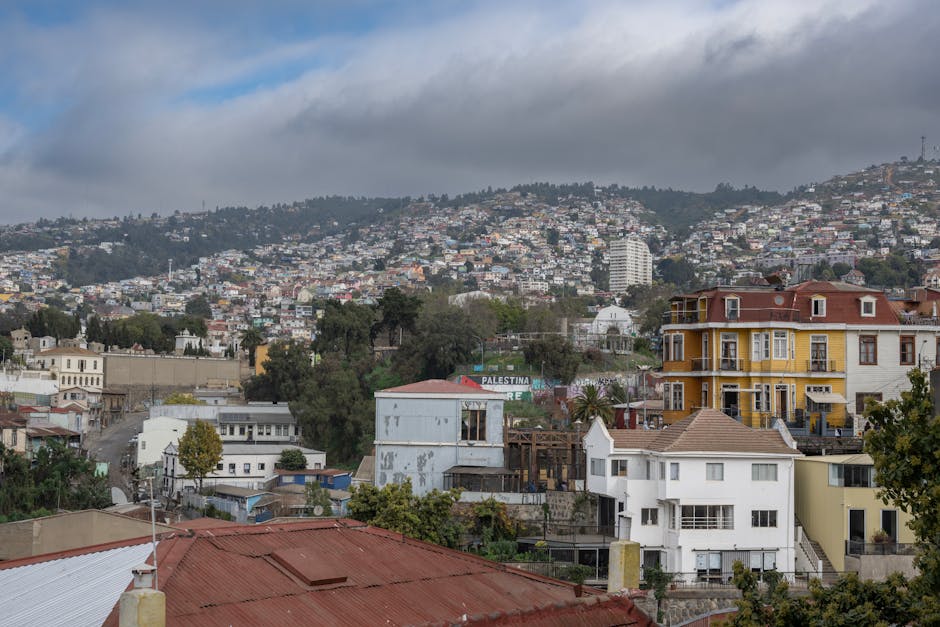
- Valparaíso is famously built upon dozens of steep hills that overlook the Pacific Ocean, creating a natural amphitheater-like setting for the city. The residents have adapted to this vertical landscape by constructing vibrant, multi-colored houses that cling to the cliffs in a seemingly precarious fashion. This unique topography defines the daily life of the community, where narrow alleys and winding staircases serve as the primary arteries for movement.
- In 2003, the historic quarter of Valparaíso was designated a UNESCO World Heritage site due to its exceptional urban design and architecture. The city represents a pivotal period of globalization in the late 19th century when it served as a major port of call for ships traveling between the Atlantic and Pacific oceans. Its preservation of industrial heritage and Victorian-influenced structures makes it a living museum of maritime history.
- To navigate the extreme slopes, the city developed a network of funiculars known as ascensores, which first began operating in 1883. While dozens once operated, many remain in use today as a vital and charming form of public transportation for locals and tourists alike. These creaky wooden elevators offer breathtaking views of the harbor and are considered a national monument of Chile.
- Before the opening of the Panama Canal in 1914, Valparaíso was known as the "Jewel of the Pacific" because it was the most important port on the West Coast of the Americas. It served as a crucial stopover for ships navigating the treacherous Strait of Magellan or Cape Horn. This era of prosperity brought immense wealth and diverse immigrant communities, including British, German, and Italian settlers, who shaped the city's cosmopolitan identity.
- The city is widely regarded as one of the street art capitals of the world, with nearly every available wall covered in intricate murals and graffiti. This bohemian spirit is encouraged by local laws that allow artists to paint with the permission of building owners, turning the streets into an open-air gallery. The art often reflects the city's political history, maritime roots, and the daily struggles of its working-class population.
- Valparaíso hosts the largest New Year’s Eve fireworks display in Latin America, an event that attracts over a million visitors to the coastline each year. The pyrotechnics are launched from multiple points along the bay, creating a synchronized spectacle that illuminates the entire harbor. It is a massive community celebration that transforms the city into a vibrant festival of light and sound to welcome the coming year.
- The city serves as a gateway to the Casablanca Valley, one of Chile’s most prestigious wine-producing regions located just a short drive away. The valley’s unique terroir, influenced by the cool Humboldt Current from the Pacific, is ideal for producing crisp white wines like Sauvignon Blanc and Chardonnay. Many visitors use Valparaíso as a base to explore these world-class vineyards and sample the local viticulture.
- In 2003, the Chilean Congress officially named Valparaíso the "Cultural Capital of Chile," recognizing its immense contribution to the nation's arts and heritage. It is the permanent home of the National Council of Culture and the Arts, making it the only major administrative body located outside the capital of Santiago. This status has helped revitalize the city's artistic institutions and preserve its unique bohemian character.
- Valparaíso is home to one of the oldest trolleybus systems in the world, which has been in continuous operation since the 1940s. These green and white electric buses are a nostalgic fixture of the "El Plan" coastal district and are protected as national monuments. They represent a commitment to sustainable, historic transit that connects the modern port activities with the city's storied past.
- The city is a laboratory for architectural innovation, most notably through the "School of Valparaíso" at the Pontifical Catholic University. During the 1960s and 70s, this movement experimented with radical designs that integrated poetry and architecture into the rugged landscape. This legacy of creative building continues to influence how the city manages its growth on the challenging, landslide-prone hillsides.
Photo Gallery

Ask the Author
Subscribers can ask the journalist a question about this story. Subscribe to ask.
নিরপেক্ষতা নোট
Community of the Day feature by PENN editorial.
to vote
Comments
No comments yet — be the first to share your thoughts.
Author
Planet Earth News Travel DeskSenior Editor, Planet Earth News Network
View all articles by Desk →