
Conservation Group Acquires Hunting Tenures in British Columbia's Great Bear Rainforest
The Raincoast Conservation Foundation aims to shift land management by purchasing commercial hunting rights to protect regional wildlife populations.
PENN Explainer
Hear this story explained in 90 seconds.
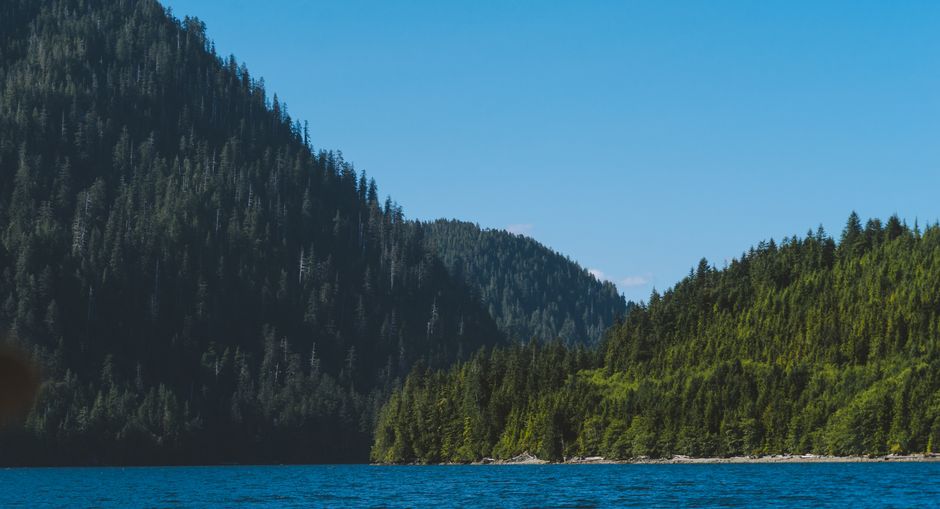
The Raincoast Conservation Foundation has announced the acquisition of exclusive commercial hunting rights covering a significant portion of British Columbia's Great Bear Rainforest. This purchase encompasses approximately one-quarter of the vast coastal region, spanning the north and central coast of the province. By securing these tenures, the organization intends to transition the land away from commercial hunting activities to prioritize long-term wildlife protection. The move represents a unique approach to conservation within the Canadian landscape. Supporters of the initiative argue that removing commercial hunting pressure allows for the natural recovery of predator and prey species. They emphasize that the Great Bear Rainforest is a critical ecosystem requiring careful stewardship to maintain its biodiversity. The foundation has historically utilized this strategy to influence how large tracts of wilderness are managed. However, the acquisition has sparked debate among various stakeholders in the region. Some hunting organizations have characterized the purchase as an abuse of the provincial licensing system. They contend that regulated hunting serves as a vital tool for wildlife management and population control. These groups argue that removing hunting rights disrupts established conservation models that rely on license fees to fund habitat restoration and monitoring. The provincial government of British Columbia oversees the regulatory framework for these tenures. Officials must balance the interests of conservation groups, local communities, and hunting associations when managing public lands. The debate highlights the ongoing tension between different philosophies regarding the best methods for protecting wild spaces. As the Raincoast Conservation Foundation moves forward with its plans, the long-term impact on wildlife populations remains a subject of study. Researchers and wildlife managers will continue to monitor the area to assess how the cessation of commercial hunting affects the ecosystem. This case serves as a notable example of how private entities are increasingly participating in the management of natural resources. The outcome of this initiative may influence future discussions on land use and conservation strategies across North America.
Ask the Author
Subscribers can ask the journalist a question about this story. Subscribe to ask.
Neutrality note
Auto-harvested from global news wires and presented neutrally by PENN.
to vote
Comments
No comments yet — be the first to share your thoughts.
Related stories in Hunting and Conservation
Tennessee Wildlife Officials Enforce Lifetime Hunting Ban Following Major Poaching Case
2026-09-24
U.S. Fish and Wildlife Service Implements New Strategy for Common Raven Management
2026-09-23