
Costa Rican Ranchers Partner with Conservationists to Protect Jaguar Populations
Local landowners are adopting new management strategies to reduce human-wildlife conflict and support apex predator recovery.
PENN Explainer
Hear this story explained in 90 seconds.
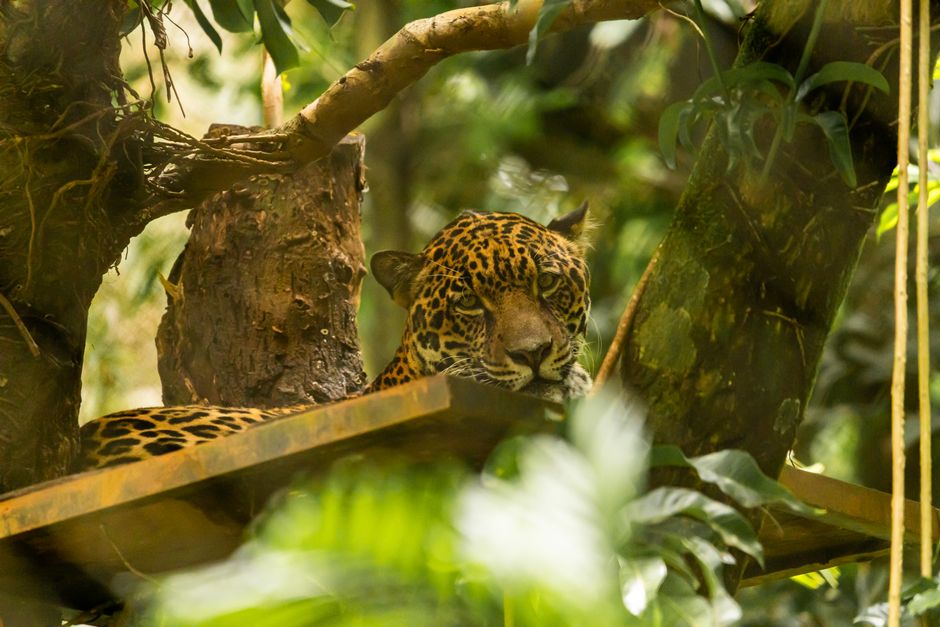
Landowners in Costa Rica are increasingly working with conservation groups to protect jaguar and puma populations that roam through their properties. This collaborative effort aims to balance the needs of local cattle ranchers with the survival of these iconic apex predators. By implementing new management techniques, the community is finding ways to coexist with wildlife that was once viewed primarily as a threat to livestock.
Human-wildlife conflict often arises when large cats prey on domestic animals, leading to retaliatory killings by frustrated farmers. To address this, conservationists are helping ranchers install improved fencing and use specialized livestock guardian dogs. These measures are designed to deter predators from entering grazing areas without causing them physical harm.
Regulated management programs are also playing a role in monitoring predator movements across the landscape. By tracking the health and range of these animals, researchers can better understand how to protect vital habitat corridors. This data-driven approach ensures that conservation efforts are focused on areas where they will have the most significant impact on population stability.
Local stakeholders emphasize that the economic viability of ranching is essential to the success of these programs. When ranchers feel supported in their efforts to protect their livelihoods, they are more likely to participate in long-term conservation initiatives. This partnership model turns potential conflict into a shared responsibility for the environment.
Anti-poaching efforts remain a critical component of this broader strategy to safeguard the region's biodiversity. Illegal hunting of prey species can force predators to seek easier targets, such as cattle, which exacerbates the cycle of conflict. By protecting the natural food sources of jaguars, conservationists reduce the pressure on domestic herds.
Education programs are being rolled out to help community members understand the ecological importance of apex predators. These animals help maintain the balance of the ecosystem by controlling the populations of smaller herbivores. Recognizing this role has shifted the perspective of many residents toward viewing the cats as valuable assets to the landscape.
Funding for these initiatives often comes from a mix of private grants and government-backed conservation programs. These resources provide the necessary equipment and training for ranchers to adopt non-lethal deterrents. The goal is to create a sustainable model that can be replicated in other regions facing similar challenges.
Scientific monitoring has shown that these interventions can lead to a measurable decrease in livestock losses. As the frequency of attacks drops, the tension between human communities and wildlife begins to subside. This progress is seen as a positive step toward long-term coexistence in a shared landscape.
Conservationists stress that the recovery of jaguar populations is a slow process that requires consistent effort. Success is measured not just by the number of animals, but by the health of the entire ecosystem they inhabit. Continued cooperation between ranchers and scientists is considered the most effective path forward.
Looking ahead, the focus will remain on expanding these programs to reach more rural areas. Strengthening the connection between local economic interests and wildlife protection is key to preventing future habitat loss. By fostering these relationships, Costa Rica continues to demonstrate how community-led initiatives can support the survival of endangered species.
Ask the Author
Subscribers can ask the journalist a question about this story. Subscribe to ask.
Neutrality note
Auto-harvested from global news wires and presented neutrally by PENN.
to vote
Comments
No comments yet — be the first to share your thoughts.
Related stories in Hunting and Conservation

Professional Snake Hunters Combat Invasive Python Population in Florida Everglades
2026-10-07
Mozambique Wildlife Management Programs Focus on Sustainable Conservation
2026-10-07