Côte d’Ivoire Launches Strategic Investment Program to Empower Women Farmers
New national initiative aims to boost agricultural productivity and food security by providing women with better access to land, credit, and modern farming tools.
PENN Explainer
Hear this story explained in 90 seconds.
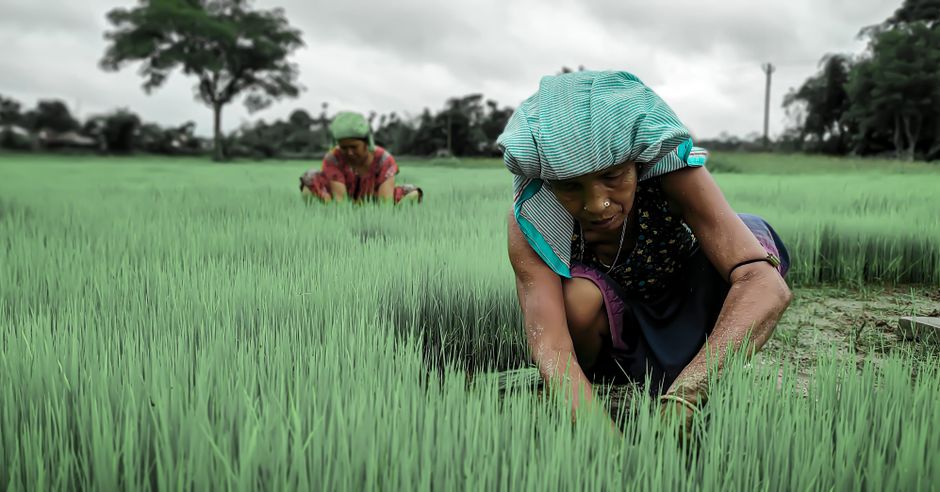
The government of Côte d’Ivoire has officially launched a comprehensive investment program designed to support women farmers across the country. This initiative seeks to address long-standing barriers that have historically limited the productivity of female-led agricultural operations. By focusing on rural development, officials hope to strengthen the nation's overall food security and economic stability.
Women represent a significant portion of the agricultural workforce in Côte d’Ivoire, yet they often face restricted access to essential resources. The new program provides direct financial support, including low-interest credit lines and grants for purchasing high-quality seeds and fertilizers. These resources are intended to help farmers transition from subsistence-level production to more profitable, market-oriented farming.
Land tenure remains a critical component of the government's strategy to improve agricultural outcomes. Under the new policy, the state is working to formalize land rights for women, ensuring they have legal security over the plots they cultivate. This legal protection encourages long-term investment in soil health and infrastructure, which is vital for sustainable farming practices.
In addition to financial and land-based support, the initiative includes a nationwide training program for modern agricultural techniques. Experts are providing workshops on climate-resilient farming, water management, and the use of digital tools to track crop health. These educational efforts aim to help farmers adapt to the increasingly unpredictable weather patterns affecting West Africa.
Local cooperatives are playing a central role in the implementation of these new measures. By organizing farmers into collective groups, the government can more efficiently distribute equipment and provide technical assistance to remote areas. These cooperatives also serve as a platform for women to share knowledge and negotiate better prices for their harvests.
International development partners have expressed support for the Ivorian approach to agricultural reform. Many observers note that empowering women in the agricultural sector is one of the most effective ways to reduce poverty and improve nutrition in rural communities. The program aligns with broader regional goals to increase food self-sufficiency across the African continent.
Despite the optimism surrounding the launch, officials acknowledge that significant challenges remain in the logistics of reaching the most isolated farming regions. Infrastructure gaps, such as poor road conditions, can make it difficult to transport goods to urban markets. The government has pledged to prioritize rural infrastructure development as a secondary phase of the broader food security strategy.
Monitoring and evaluation teams will track the progress of the program over the next three years to ensure that resources are reaching the intended beneficiaries. Data collection will focus on yield improvements, income growth, and the adoption of sustainable farming methods. This evidence-based approach is intended to allow for adjustments as the program scales up.
Agricultural economists suggest that the success of this initiative could serve as a model for other nations in the region. By focusing on the specific needs of women, the Ivorian government is targeting a demographic that has been historically underserved by traditional agricultural policies. The long-term goal is to create a more inclusive and resilient food system that can withstand global market fluctuations.
As the planting season approaches, thousands of women are expected to participate in the first wave of the program. The government remains committed to fostering an environment where small-scale farmers can thrive alongside larger commercial operations. This balance is seen as essential for maintaining a stable and diverse food supply for the growing population of Côte d’Ivoire.
Ask the Author
Subscribers can ask the journalist a question about this story. Subscribe to ask.
Neŭtraleca noto
Auto-harvested from global news wires and presented neutrally by PENN.
to vote
Comments
No comments yet — be the first to share your thoughts.
Related stories in Agriculture & Food Security
Kenya Expands Urban Hydroponic Initiatives to Strengthen Food Security
2026-10-02
Global Fertilizer Supply Chains Face Severe Disruptions Amid Middle East Conflict
2026-10-01