Culinary Tradition of the Day: Ceviche
The refreshing history and cultural heart of Peru’s citrus-cured seafood.
Hear this story explained in 90 seconds.
Ceviche
Ceviche is a vibrant and refreshing dish made of fresh raw fish cured in citrus juices, most commonly lime. While it is enjoyed across Latin America, it is the undisputed national dish of Peru. The dish relies on the chemical process of citric acid changing the structure of the fish proteins, effectively "cooking" it without heat. This creates a firm texture and a bright, zesty flavor that has made it a global favorite.
History
The roots of ceviche reach back nearly 2,000 years to the Moche civilization, a pre-Columbian culture that lived along the northern coast of what is now Peru. According to historical research, these ancient coastal peoples ate fish cured with the acidic juice of a native fruit called tumbo or fermented maize beer known as chicha. When Spanish colonizers arrived in the 16th century, they brought citrus fruits like limes and vegetables like onions. These new ingredients were integrated into the local tradition, creating the modern version of ceviche known today. Over centuries, the dish evolved through the influence of African and European culinary styles, eventually becoming a cornerstone of Peruvian identity.
Cultural Significance
Ceviche is more than just a meal; it is a symbol of Peruvian pride and heritage. In 2004, the Peruvian government officially declared ceviche a part of the National Cultural Heritage. The country even celebrates National Ceviche Day every year on June 28. In December 2023, the United Nations Educational, Scientific and Cultural Organization (UNESCO) added the knowledge and practices associated with Peruvian ceviche to its Representative List of the Intangible Cultural Heritage of Humanity. The dish is deeply tied to the community, particularly to artisanal fishers who honor Saint Peter as their patron saint. Traditionally, ceviche is prepared in specialized restaurants called cevicherías, which are often social hubs where families and friends gather, especially during the lunch hour.
How It Works
The preparation of ceviche is a delicate balance of timing and fresh ingredients. The most important factor is the quality of the fish, which must be incredibly fresh since it is not cooked with heat. Chefs typically use white-fleshed fish like sea bass or flounder. The fish is cut into bite-sized cubes and tossed with salt, thinly sliced red onions, and minced chili peppers—specifically the aji amarillo or aji limo varieties native to Peru. Finally, fresh lime juice is added. The acid in the lime juice turns the translucent raw fish opaque and firm. In Peru, the leftover marinade, a milky liquid full of fish juices and spice, is called "leche de tigre" (tiger’s milk) and is often served in a small glass as a potent tonic. Traditional accompaniments include boiled sweet potato (camote), large-kernel Andean corn (choclo), and toasted corn nuts (cancha).
Classic Peruvian Ceviche
A bright and zesty dish featuring fresh white fish cured in lime juice, served with traditional Andean sides.
Prep time: 20 min | Cook time: 0 min | Total time: 20 min | Yield: 4 servings | Difficulty: Medium
Ingredients
- 1.5 lbs (680g) fresh, skinless white fish fillets (such as sea bass, corvina, or flounder)
- 1 cup (240ml) freshly squeezed lime juice (about 8-10 limes)
- 1 medium red onion, very thinly sliced into half-moons
- 1-2 aji amarillo or habanero peppers, seeded and finely minced
- 2 tsp (10g) sea salt
- 2 tbsp (8g) fresh cilantro, finely chopped
- 1 clove garlic, finely minced (optional)
For Serving
- 2 large sweet potatoes, boiled and sliced into rounds
- 2 ears of corn, boiled and cut into chunks or kernels
- 1/2 cup (60g) toasted corn nuts (cancha)
- Fresh lettuce leaves for garnish
Instructions
- Rinse the fish fillets under cold water and pat them dry with paper towels. Cut the fish into 1-inch (2.5cm) cubes and place them in a large glass or stainless steel bowl.
- Sprinkle the salt over the fish and toss gently. Let it sit for about 2 minutes; the salt helps open the pores of the fish to absorb the lime juice.
- Add the minced chili peppers, garlic (if using), and cilantro to the bowl. Mix gently to combine.
- Pour the fresh lime juice over the fish until it is mostly submerged. Add the sliced red onions on top.
- Let the fish marinate for 5 to 10 minutes. The fish is ready when the outside is opaque but the center is still slightly translucent. Do not over-marinate, or the fish will become tough.
- Taste and add more salt or chili if needed.
- Arrange lettuce leaves on four plates. Place a portion of ceviche in the center. Serve immediately with slices of sweet potato, corn, and a sprinkle of toasted corn nuts on the side.
Notes
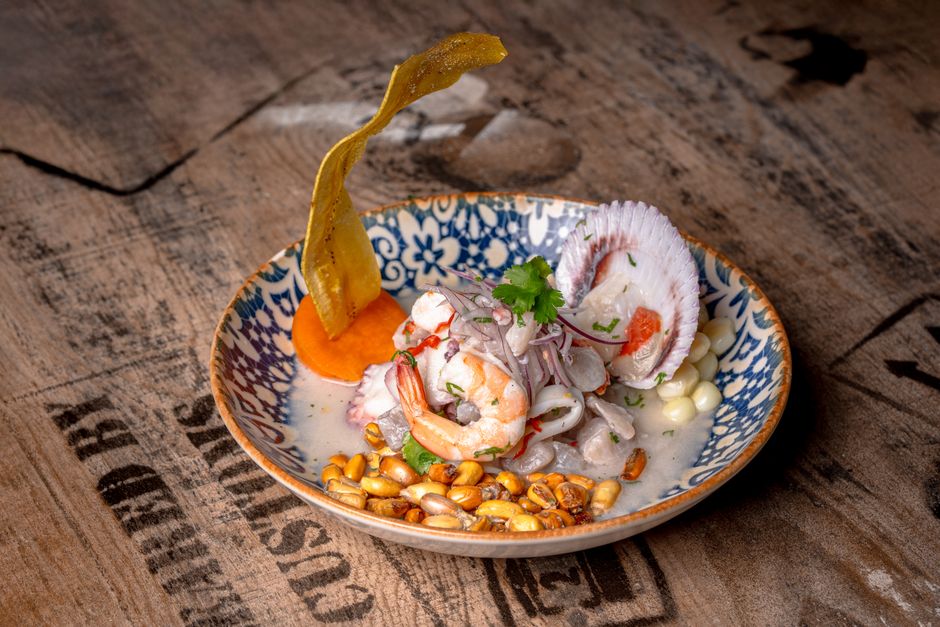
Always use "sushi-grade" or the freshest possible fish from a trusted source. Chef Gaston Acurio, who helped popularize Peruvian cuisine globally, emphasizes that the lime juice should be squeezed gently to avoid the bitter oils from the peel. For a variation, you can add cooked shrimp or octopus to make a "ceviche mixto." Leftovers do not store well as the fish will continue to toughen in the acid.
Subscribers can ask the journalist a question about this story. Subscribe to ask.
Culinary Tradition of the Day feature by the PENN Food & Spirits Desk.
Comments
No comments yet — be the first to share your thoughts.
PENN's lifestyle and culinary department, covering global cuisine — the origins, traditions, and recipes behind the world's dishes, with deep histories and cultural context that go beyond the plate. and PENN's beverage-focused culinary team, dedicated to spirits and drinks — covering distilleries, breweries, and producers worldwide, with histories, tasting notes, professional reviews, and cocktail traditions.
View all articles by Desk →