Dalai Lama Reaffirms Succession Process Amid Geopolitical Tensions
The 14th Dalai Lama has formally vested authority for his reincarnation in the Gaden Phodrang Trust, rejecting external interference.
PENN Explainer
Hear this story explained in 90 seconds.
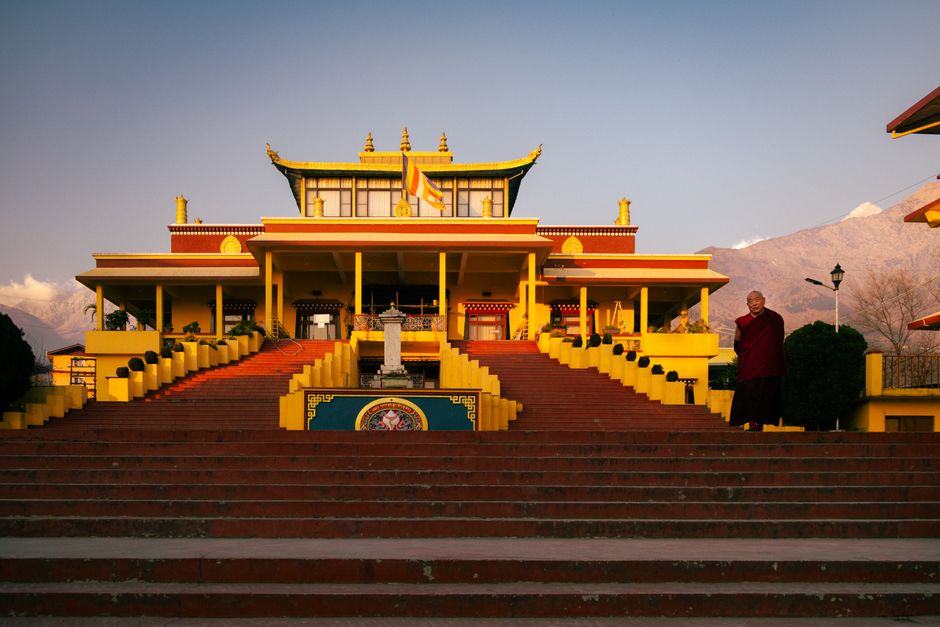
The 14th Dalai Lama, Tenzin Gyatso, has issued a formal declaration regarding the future of his office as he approaches his 90th birthday. In a video statement released on July 2, 2025, the spiritual leader confirmed that the process for identifying his successor will follow established religious traditions. He explicitly stated that the responsibility for this search rests exclusively with the Gaden Phodrang Trust, a non-profit foundation established in 2015. This announcement comes as senior figures in Tibetan Buddhism gathered in Dharamshala, India, for a series of religious conferences.
The Dalai Lama emphasized that no outside entity holds the authority to interfere in the matter of his reincarnation. The Gaden Phodrang Trust is tasked with consulting heads of Tibetan Buddhist traditions and oath-bound Dharma Protectors to carry out the search. This procedure is intended to align with centuries-old practices that have historically governed the selection of the Dalai Lama. The Chinese government immediately rejected the succession plan outlined by the spiritual leader.
Mao Ning, a spokesperson for the Chinese Foreign Ministry, insisted that any successor must follow domestic recognition processes, including the use of the Golden Urn. Beijing maintains that it holds the sole authority to approve the next Dalai Lama in accordance with Chinese laws and religious traditions. This disagreement highlights a long-standing tension between the Tibetan government-in-exile and the Chinese Communist Party. Observers note that the succession is not merely a religious matter but a significant geopolitical event.
There is widespread concern among human rights advocates that Beijing may attempt to install its own candidate to exert greater control over Tibet. The United States government has previously stated its position that the Chinese government should have no role in the succession process. Officials have suggested that interference in the identification of the 15th Dalai Lama could lead to accountability measures for those involved. The situation remains complex as the international community watches how the Gaden Phodrang Trust navigates the upcoming transition.
The ability of the Trust to maintain the integrity of the traditional process will likely depend on the political and institutional support provided by host nations like India. As the debate continues, the focus remains on the preservation of religious autonomy and the future of Tibetan Buddhist leadership.
Ask the Author
Subscribers can ask the journalist a question about this story. Subscribe to ask.
Note de neutralité
Auto-harvested from global news wires and presented neutrally by PENN.
to vote
Comments
No comments yet — be the first to share your thoughts.
Related stories in Religion & Belief
Indonesia and India Launch Joint Restoration Project at Prambanan Temple Complex
2026-10-07
U.S. Commission Reports Continued Religious Freedom Violations in China
2026-10-07