Dhangadhi Transforms Urban Waste into Sustainable Business Model
A partnership between local government and private firms creates a citywide system to manage household waste through segregation and recycling.
PENN Explainer
Hear this story explained in 90 seconds.
The Dhangadhi Sub-Metropolitan City in Nepal has launched a comprehensive waste management initiative to address the growing challenges of urban refuse. By partnering with a private waste management company and an alternative energy firm, the city has implemented a systematic approach to handle household waste. This project focuses on the entire lifecycle of trash, from initial collection to final processing. The initiative aims to turn what was once a public health burden into a functional business model for the community.
Local officials hope this strategy will serve as a scalable solution for other rapidly growing cities in the region. The system relies on the active participation of residents to ensure the success of the new waste protocols. Households are now required to segregate their waste at the source, which simplifies the sorting process for collection teams. This change in behavior is supported by ongoing public awareness campaigns designed to explain the benefits of proper disposal.
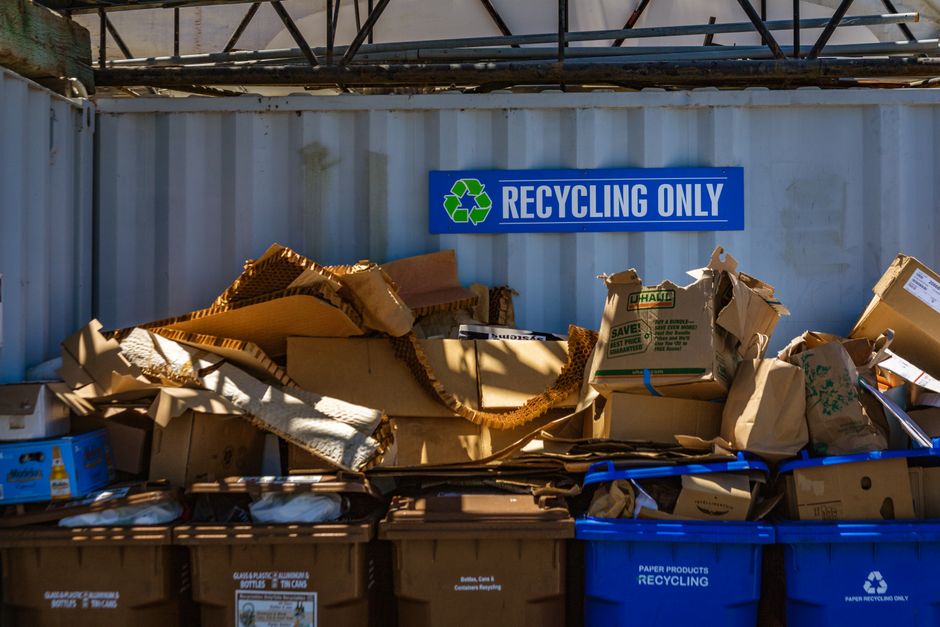
By separating organic materials from recyclables, the city can process waste more efficiently and reduce the volume sent to landfills. The private partners involved provide the necessary infrastructure and technical expertise to manage the collected materials. This collaboration allows the city to leverage private sector innovation while maintaining public oversight of waste services. The alternative energy firm plays a key role by exploring ways to convert organic waste into usable energy products.
This dual approach of recycling and energy recovery helps to minimize the environmental footprint of the city's waste stream. Economic sustainability is a core component of the project, as the sale of recycled goods and energy helps offset operational costs. The initiative has already begun to show measurable progress in reducing the amount of unmanaged trash in public spaces. City leaders are monitoring the system closely to identify areas for further improvement and expansion.
Future plans include increasing the capacity of the sorting facilities to handle larger volumes of waste as the city grows. By integrating technology and community cooperation, Dhangadhi is demonstrating a practical path toward cleaner and more efficient urban living.
Ask the Author
Subscribers can ask the journalist a question about this story. Subscribe to ask.
Nota de neutralidad
Auto-harvested from global news wires and presented neutrally by PENN.
to vote
Comments
No comments yet — be the first to share your thoughts.