Edinburgh International Festival 2026 Highlights Global Reconciliation and Artistic Innovation
Director Nicola Benedetti leads a three-week celebration of music, theater, and dance featuring international stars and historical themes.
PENN Explainer
Hear this story explained in 90 seconds.
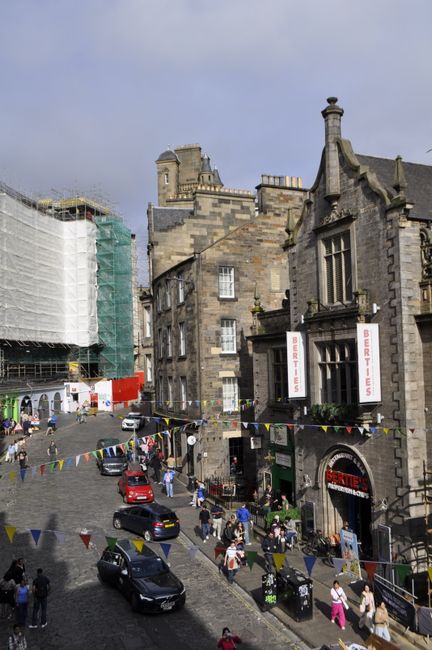
The Edinburgh International Festival is currently taking place in Scotland, running from August 7 to August 30, 2026. This major cultural event brings together artists from all over the world to perform in the historic city. The schedule includes a variety of music, dance, and theater productions. It is considered one of the most important arts festivals on the global calendar.
Nicola Benedetti, a renowned violinist, is the director of the festival this year. She has emphasized that the event serves as a platform for reconciliation and human connection. Benedetti believes that the language of the arts can reach people's emotions in a unique way. She hopes the performances will encourage audiences to see the world more truthfully.
One of the central themes of the 2026 festival is the exploration of international relations. The organizers have curated a program that reflects on how different cultures interact and understand one another. This focus is intended to promote dialogue and mutual respect among attendees. The festival aims to be a beacon of what is possible when people come together through creativity.
A major highlight of the theater program is the play titled "A Trial — after An Enemy of the People." This production was written by Christiane Jatahy and features the Brazilian actor Wagner Moura. The play is a modern adaptation that looks at issues of injustice and social responsibility. It has drawn significant attention for its powerful storytelling and relevant themes.
Wagner Moura is an Oscar-nominated actor who is well-known for his work in film and television. In this festival production, he portrays a character dealing with the pressures of authoritarianism and moral choices. His performance has been noted for its intensity and emotional depth. Moura’s involvement highlights the festival's ability to attract high-profile international talent.
The festival also makes use of locations with significant historical ties. Some discussions and events are held in the former home of Adam Smith, the influential Scottish economist. Smith is famous for writing "The Wealth of Nations" and "The Theory of Moral Sentiment." Using these venues helps connect the modern performances to the intellectual history of the region.
Director Nicola Benedetti has also spoken about the importance of telling a complete story of national identities. She mentioned that the festival includes perspectives on the history of the United States that are often overlooked. This includes the work of Bryan Stevenson, a lawyer and social justice advocate. Stevenson is known for his efforts to address racial inequality and legal reform.
Music remains a cornerstone of the Edinburgh International Festival. The 2026 program features a wide array of classical and contemporary musical performances. These concerts take place in various venues, ranging from large concert halls to more intimate settings. The diversity of the music selection is intended to appeal to a broad range of tastes and backgrounds.
Dance is another major component of the three-week event. The festival showcases daring and innovative dance companies from different continents. These performances often combine traditional techniques with modern storytelling. Audiences have the opportunity to see world-class choreography that explores complex human experiences.
The economic impact of the festival on the city of Edinburgh is substantial. Thousands of international tourists travel to Scotland specifically to attend the various shows and exhibitions. This surge in visitors provides a significant boost to local businesses, including hotels and restaurants. The festival is a key part of the city's identity and its appeal as a global travel destination.
Inclusivity and accessibility are major goals for the festival organizers. They have implemented various programs to ensure that a wide range of people can attend the performances. This includes offering different ticket price points and hosting events in community-centered venues. The goal is to make high-quality art available to as many people as possible.
As the festival moves toward its conclusion on August 30, 2026, it continues to be a hub for artistic exchange. The event provides a space for both established artists and new voices to share their work. It remains a significant example of how cultural festivals can foster global understanding. The 2026 edition will likely be remembered for its focus on reconciliation and the power of the human spirit.
Ask the Author
Subscribers can ask the journalist a question about this story. Subscribe to ask.
Neutrality note
Auto-harvested from global news wires and presented neutrally by PENN.
to vote
Comments
No comments yet — be the first to share your thoughts.
Related stories in Art and Culture
Granada Launches Neorama Festival to Showcase Emerging Musical Talent
2026-09-27
Paris Landmark Transformed by Artist JR with Giant Inflatable Cave Installation
2026-09-27