Travelen
Egypt Prepares Luxor and Siwa for Surge in Astro-Tourism Ahead of 2027 Total Solar Eclipse
Tourism authorities launch infrastructure and observation site upgrades across Upper Egypt and the Western Desert for the historic celestial event.
PENN Explainer
Hear this story explained in 90 seconds.
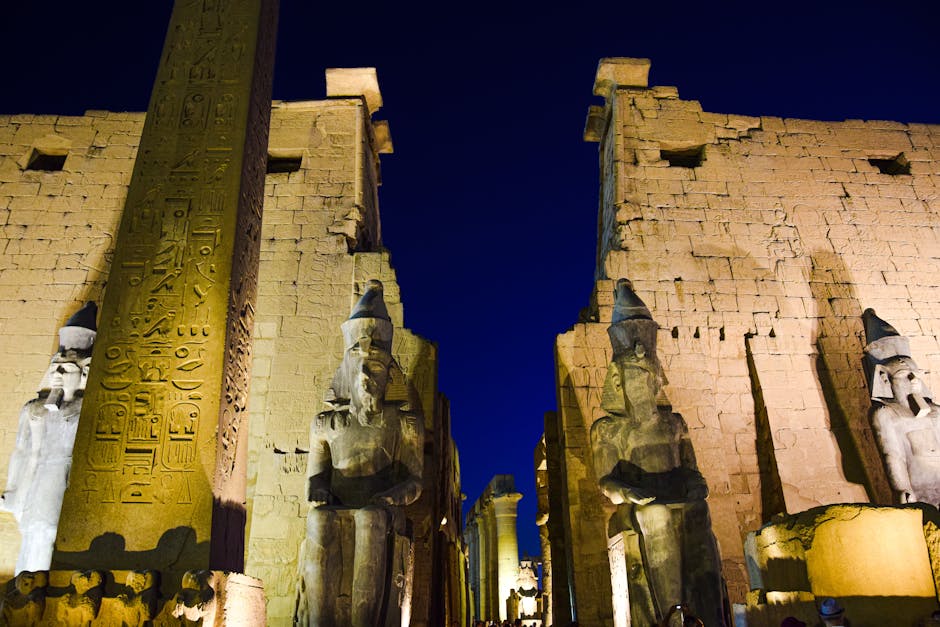
Tourism authorities and regional planners in Egypt have begun extensive preparations to position Luxor and the Siwa Oasis as primary destinations for the upcoming total solar eclipse scheduled for August 2, 2027. The astronomical alignment is projected to produce one of the longest totality durations visible over land in modern history, with certain viewing zones offering over six minutes of complete darkness. Industry planners expect the spectacle to draw hundreds of thousands of international astro-tourists, stargazers, and scientific observers to the country.
The Egyptian Tourism Authority and local administrative bodies in the Luxor Governorate are coordinating logistical efforts across historic temple complexes, valley viewpoints, and riverfront facilities. The Path of Totality will track directly over southern Egypt, placing renowned archaeological sites such as the Karnak Temple complex and the Valley of the Kings within the prime viewing corridor. Local officials are working to establish designated viewing plazas equipped with scientific instruments, security cordons, and spectator accommodations to prevent overcrowding at sensitive antiquity zones.
Simultaneously, the Matrouh Governorate, which oversees the remote Western Desert enclave of Siwa, has initiated reviews of regional hospitality and transport links. Situated near the initial overland entry path of the eclipse shadow, Siwa provides clear desert skies that typically feature minimal cloud cover during midsummer. Regional administrators are partnering with eco-lodges and sustainable desert operators to accommodate visitors without overtaxing the oasis ecosystem, its natural hot springs, or traditional Berber cultural sites.
The initiative forms part of Egypt's broader strategy to diversify its visitor profile beyond conventional cultural tour packages. Specialized niche tourism, such as astrophotography and archaeoastronomy tours, has grown significantly in global popularity over recent years. By marketing celestial viewing alongside iconic archaeological landscapes, officials seek to capture extended stays and drive tourism expenditures deeper into Upper Egypt and peripheral desert communities.
Hotel groups, river cruise operators, and local transport firms report rising forward bookings and charter inquiries spanning late July and early August 2027. Tour operators from Europe, North America, and East Asia have already started reserving Nile cruise vessels between Luxor and Aswan, alongside specialized convoy permits into designated desert observation points. To ensure fairness and stability in the market, trade representatives and authorities are reviewing pricing structures and reservation standards across hospitality suppliers.
Preservation experts and antiquities authorities are actively establishing protocols to protect fragile ancient sandstone monuments during the anticipated influx. Unregulated crowding at open-air monument sites during peak midday hours presents structural risks to heritage stones and raises public health concerns in summer temperatures that frequently exceed 40 degrees Celsius. In response, event planners intend to offer specialized shaded rest zones, increased medical support posts, and structured timed ticketing for site entry on the day of the event.
Transportation infrastructure across Upper Egypt will also see temporary adaptations to accommodate international charters and private flight traffic. Luxor International Airport and regional desert airstrips are scheduled for ground-handling upgrades to manage surges in business aviation and tourist charters. Public transport links connecting Cairo, Alexandria, and the Red Sea resort corridor to the southern viewing band will see supplemental train and bus deployments during the week surrounding the phenomenon.
Scientific institutions and educational organizations are participating in the planning process to encourage public engagement and citizen science. Astronomical societies plan to host educational briefings, public lectures, and distribution centers for certified solar viewing glasses across major urban and rural communities. These initiatives aim to combine high-level scientific research and international observation with accessible educational experiences for domestic residents.
The comprehensive preparations reflect a growing global trend where countries utilize predictable major natural events to anchor long-term tourism infrastructure upgrades. With the August 2027 eclipse expected to be among the most observed astronomical events of the decade, Egyptian authorities view the preparations as a crucial opportunity to reinforce sustainable tourism management while showcasing the nation's cultural and natural heritage on a global stage.
Ask the Author
Subscribers can ask the journalist a question about this story. Subscribe to ask.
Neutrality note
Auto-harvested from global news wires and presented neutrally by PENN.
to vote
Comments
No comments yet — be the first to share your thoughts.
Related stories in Travel
Sri Lanka Implements New Visa-Free Entry Policy to Boost International Tourism
2026-09-24
U.S. Travel Industry Sets Ambitious Goal of 100 Million International Visitors by 2030
2026-09-23