Engineered Seawalls in Ireland Offer New Hope for Marine Biodiversity
Innovative 'living' infrastructure in Cobh is transforming coastal defenses into thriving habitats for local sea life.
PENN Explainer
Hear this story explained in 90 seconds.
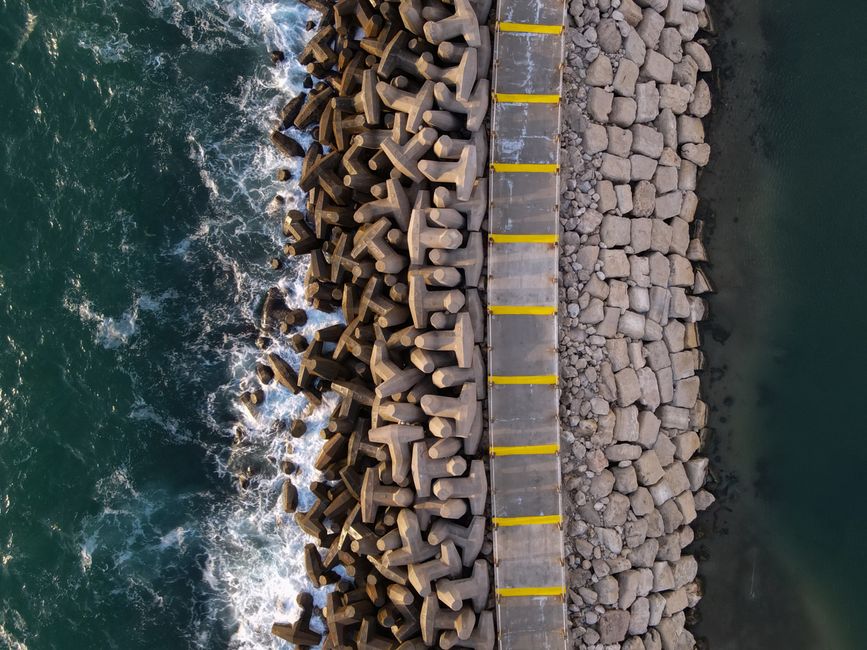
Coastal infrastructure is undergoing a significant transformation as engineers and ecologists collaborate to turn traditional concrete barriers into vibrant ecosystems. In the town of Cobh, Ireland, new 'living seawalls' are being installed to replace standard, flat-surfaced defenses that typically offer little support for marine organisms. These structures are designed with complex textures, crevices, and pools that mimic natural rocky shorelines, providing essential homes for various species. By integrating these biological features into necessary coastal protection, researchers hope to mitigate the environmental impact of human development along the water's edge. The project represents a shift in how coastal cities approach the dual challenges of rising sea levels and biodiversity loss. Instead of viewing seawalls solely as barriers against the ocean, planners are now treating them as potential sites for ecological restoration. This approach allows marine life, such as algae, barnacles, and small fish, to colonize the structures, effectively turning gray infrastructure into green, living assets. The initiative in Cobh is part of a broader, growing trend in sustainable engineering that seeks to harmonize human-built environments with the natural world. Experts suggest that if these living seawalls prove successful, they could be implemented in coastal regions worldwide to bolster local marine populations. The design process involves careful study of local species to ensure the textures and shapes of the seawalls meet the specific needs of the surrounding ecosystem. While traditional seawalls often create 'biological deserts' by lacking surface complexity, these new designs actively encourage the growth of diverse marine communities. This method not only supports biodiversity but can also improve water quality by fostering organisms that naturally filter the surrounding environment. As climate change continues to threaten coastal stability, the need for resilient and ecologically friendly infrastructure has become increasingly urgent. The success of these projects depends on ongoing monitoring to ensure that the artificial habitats remain healthy and productive over time. By rethinking the way we build along our coasts, communities can protect their land while simultaneously contributing to the health of the ocean. This innovative strategy highlights the potential for human ingenuity to support, rather than displace, the natural world in the face of environmental change.
Ask the Author
Subscribers can ask the journalist a question about this story. Subscribe to ask.
Nota neutralitatis
Auto-harvested from global news wires and presented neutrally by PENN.
to vote
Comments
No comments yet — be the first to share your thoughts.