Engineers Develop Tiny Drones That Fly Using Sound Waves Instead of Batteries
New acoustic-powered drone technology could revolutionize micro-robotics and environmental monitoring.
PENN Explainer
Hear this story explained in 90 seconds.
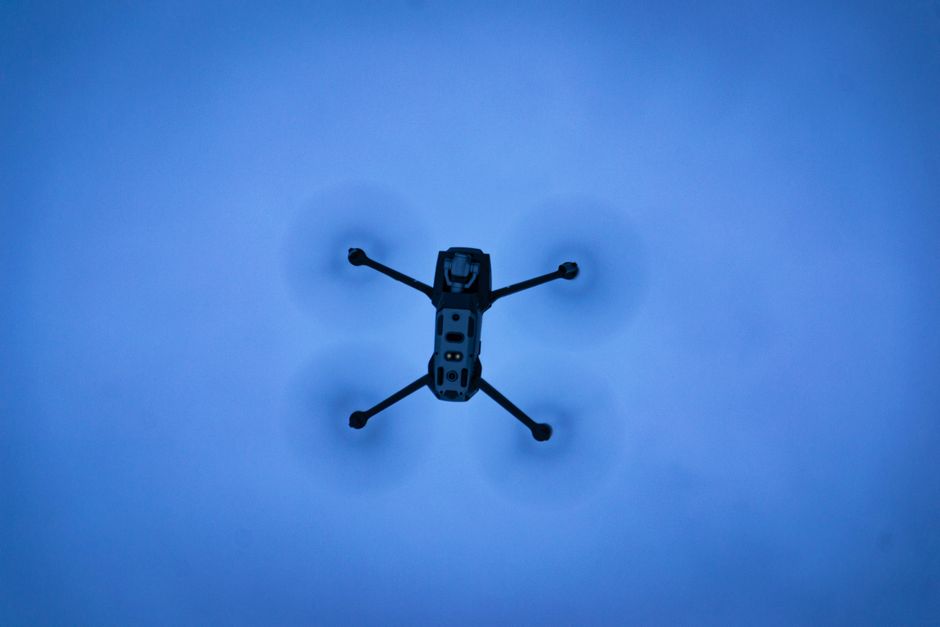
Researchers have unveiled a groundbreaking new type of micro-drone that operates entirely on sound waves rather than traditional chemical batteries. This innovative technology allows the tiny devices to remain airborne for extended periods without the weight or maintenance requirements of heavy power cells. By utilizing acoustic energy, the drones can be made significantly smaller and lighter than any previous model. This development marks a major shift in how engineers approach the design of autonomous micro-robots. The research team successfully demonstrated that sound vibrations can be converted into the mechanical energy needed to power flight. This process relies on specialized materials that react to specific sound frequencies to generate lift. Because the drones do not require onboard fuel or batteries, they can be deployed in environments where traditional power sources would be impractical or dangerous. The potential applications for this technology are vast and varied. Scientists believe these acoustic drones could be used for delicate environmental monitoring in sensitive ecosystems where noise pollution must be kept to a minimum. They could also be deployed in search-and-rescue operations to navigate tight spaces that are inaccessible to larger machines. Furthermore, the ability to operate without batteries reduces the environmental impact of manufacturing and disposing of electronic waste. The team is now working to refine the frequency range required for flight to ensure the drones can operate in diverse settings. While the current prototypes are limited to controlled laboratory environments, the researchers are optimistic about future real-world testing. This breakthrough highlights the growing trend of using unconventional energy sources to push the boundaries of modern robotics. As the field of micro-robotics continues to evolve, innovations like acoustic-powered flight are expected to play a central role in future technological advancements. The project represents a significant step forward in creating sustainable and highly efficient autonomous systems.
Ask the Author
Subscribers can ask the journalist a question about this story. Subscribe to ask.
Neutrality note
Auto-harvested from global news wires and presented neutrally by PENN.
to vote
Comments
No comments yet — be the first to share your thoughts.