
Europe Faces Persistent Drought Conditions Following Record-Breaking Summer Heat
Significant moisture deficits continue to impact large areas of the continent as officials monitor long-term environmental effects.
PENN Explainer
Hear this story explained in 90 seconds.
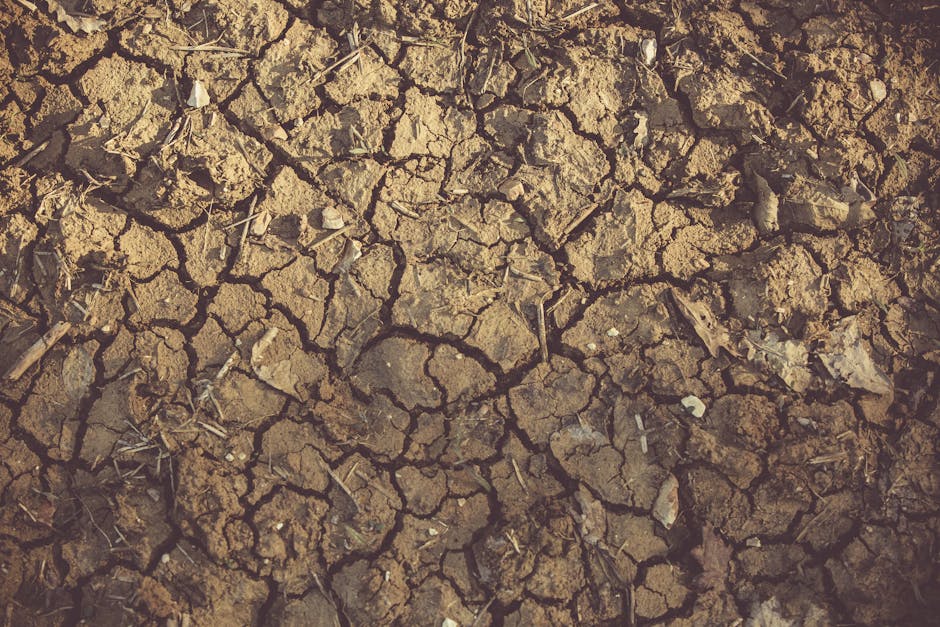
Large portions of Europe are currently grappling with the lingering effects of a record-hot summer that has left significant moisture deficits across the continent. Data from the European Forest Fire Information System indicates that drought conditions have persisted through the end of September. This dry spell has affected a wide geographic area stretching from northern Spain through France and into Hungary and Germany. The lack of rainfall has created challenges for water management and local ecosystems in these regions.
Experts continue to monitor the situation as the autumn season progresses. The European Drought Observatory provides ongoing analysis of these moisture levels to help inform regional responses. These conditions follow a summer season that saw temperatures reach historic highs in many locations. The combination of heat and limited precipitation has significantly impacted soil moisture across central and southern Europe.
Researchers note that the current drought is part of a broader trend of changing weather patterns across the continent. In some areas, the lack of water has become so severe that it has revealed long-hidden features of the landscape. For example, the Doubs River, which forms a natural border between France and Switzerland, has seen water levels drop drastically. Residents in the area have even marked the dry riverbed with messages as they wait for relief.
The drying of such waterways highlights the tangible impact of the ongoing meteorological drought. The environmental consequences of this summer have been widespread and destructive. Beyond the drought itself, the hot and dry conditions fueled an intense wildfire season that burned nearly 700,000 hectares of land by early October. This figure is nearly double the average area typically burned by this time of year.
The fires have caused significant damage to forests and local landscapes in countries like Spain and France. Authorities are now assessing the long-term recovery needs for these affected regions. While some areas have seen minor improvements, the overall hydrological situation remains a concern for many European nations. Officials are working to manage water resources carefully as they prepare for the winter months.
The focus remains on monitoring precipitation levels to see if the current drought will continue into the next year. Future climate outlooks will be essential for planning agricultural and water usage strategies across the affected countries.
Ask the Author
Subscribers can ask the journalist a question about this story. Subscribe to ask.
Nota de neutralidad
Auto-harvested from global news wires and presented neutrally by PENN.
to vote
Comments
No comments yet — be the first to share your thoughts.
Related stories in Weather & Climate
Severe Drought Conditions Impair Agricultural Production Across Southern Brazil
2026-10-06
Indiana Faces Historic Flooding Crisis Following Record Rainfall
2026-10-05