
European Court of Justice Strikes Down Hungary’s Anti-LGBT Law
The landmark ruling declares the 2021 legislation violates fundamental EU rights and values, requiring Hungary to repeal the discriminatory measures.
PENN Explainer
Hear this story explained in 90 seconds.
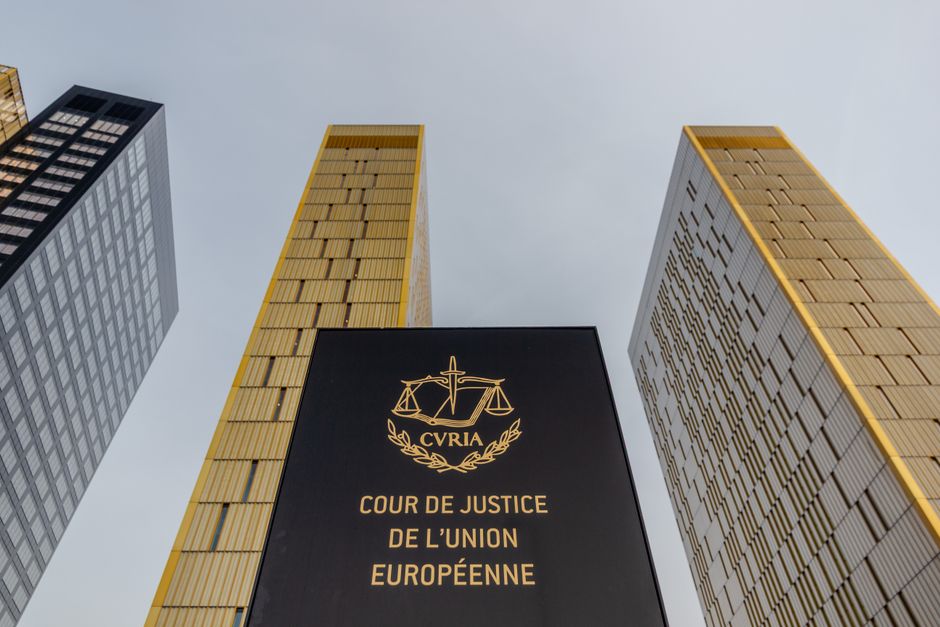
The European Union’s top court has issued a landmark ruling against Hungary regarding its treatment of the LGBT community. The Court of Justice of the European Union (CJEU) declared that a controversial Hungarian law targeting the portrayal of sexual orientation is illegal. This decision marks a major moment for human rights and the rule of law within the European bloc. The court found that the national law failed to respect the shared values of the union.
The law in question was first passed in June 2021 under the government of Prime Minister Viktor Orbán. It prohibited the "portrayal or promotion" of sexual orientation and gender identity to minors in various settings. This included restrictions on school materials, television programs, and advertisements that children might see. The Hungarian government argued at the time that the law was necessary to protect children and support the rights of parents.
The CJEU found that the legislation violates several fundamental European Union laws and values. The judges ruled that the ban interferes with the freedom of expression and the right to information for all citizens. They also stated that the law discriminates against people based on their sexual orientation. The court emphasized that such restrictions must be necessary and proportionate, which these were not.
Senior Europe researcher Lydia Gall from Human Rights Watch called the decision a groundbreaking ruling for the region. She noted that the court made it clear that such laws have no place in the European Union. The ruling emphasizes that equality and human dignity are core principles that all member states must follow. It sends a strong message that national laws cannot override the basic rights guaranteed by EU treaties.
The legal battle began shortly after the law was adopted when the European Commission started infringement proceedings. The Commission argued that the law broke internal market rules and fundamental rights protections. This case eventually reached the highest court in the EU for a final decision after years of debate. The ruling now serves as a definitive legal answer to the long-standing dispute between Brussels and Budapest.
Critics of the law have long argued that it was used to censor important information for young people. They claimed it stigmatized the LGBT community and restricted their basic rights to exist openly in society. The court's decision confirms these concerns, stating that the restrictions were not legally justified. The judges found that the law created an environment of discrimination that is incompatible with EU membership.
Because of this ruling, Hungary is now legally required to change its laws to match European standards. If the government refuses to comply, it could face heavy financial penalties and further legal action. The European Commission has already frozen some EU funds for Hungary over similar rule-of-law concerns. This new ruling adds more pressure on the government to align its policies with international human rights expectations.
The ruling comes at a time of political change in Hungary following recent elections and the formation of a new government. The new authorities now face a clear legal mandate to reverse these policies and restore protections for all citizens. Human rights groups are calling on the new administration to act quickly and repeal the law entirely. They believe this is a vital step toward healing social divisions within the country.
This judgment is seen as one of the most significant rulings regarding the protection of minority rights in Europe. It sets a strong precedent for other member states that might consider similar legislation in the future. The court has signaled that it will protect the rights of all citizens across the continent, regardless of their background. This helps ensure that the European Union remains a space where diversity is respected and protected by law.
The European Commission is expected to monitor Hungary very closely to ensure they follow the court's orders. Other EU member states are also keeping a close eye on the situation through ongoing diplomatic reviews. The goal is to ensure that fundamental treaty values are respected by every nation in the union. Failure to implement the changes could lead to a loss of voting rights or further economic sanctions.
Beyond repealing the law, advocates are asking the government to drop charges against activists who were targeted under the old rules. They believe this is a necessary step to restore trust in the judicial system and the government. The ruling provides a clear roadmap for returning to international human rights standards. It offers a chance for the country to reset its relationship with the rest of the European community.
The decision by the Court of Justice of the European Union highlights the tension between national laws and shared European values. It reinforces the idea that membership in the EU comes with specific legal obligations regarding human rights. The world will be watching to see how Hungary responds to this definitive legal challenge. This case will likely be studied by legal experts for years as a key example of international judicial oversight.
Ask the Author
Subscribers can ask the journalist a question about this story. Subscribe to ask.
Nota di neutralità
Auto-harvested from global news wires and presented neutrally by PENN.
to vote
Comments
No comments yet — be the first to share your thoughts.
Related stories in Legal & Justice

UN Fact-Finding Mission Reports External Support Networks Fueling Sudan Conflict
2026-09-29
Hong Kong Court Upholds Convictions of Humanitarian Fund Organizers
2026-09-29