European Union Implements Landmark Media Freedom and AI Transparency Rules
New regulations aim to protect editorial independence and clarify AI-generated content across the European Union.
PENN Explainer
Hear this story explained in 90 seconds.
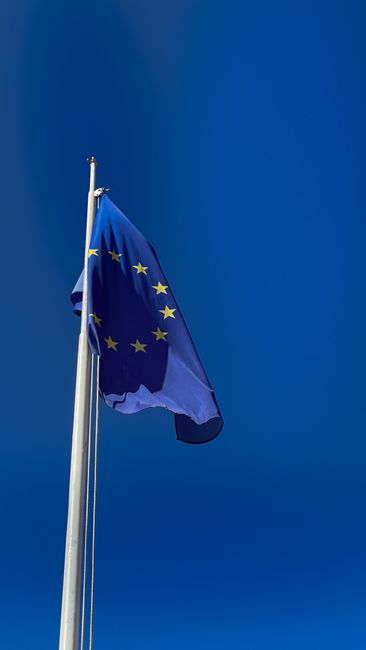
The European Union has entered a new era of media regulation with the full application of the European Media Freedom Act (EMFA). This landmark legislation, which began its primary application in August 2025, is designed to safeguard media pluralism and editorial independence across all member states. By establishing a common framework for media services, the act seeks to protect journalists and media providers from political interference. It also aims to make it easier for news organizations to operate across internal borders within the European Union. The initiative reflects a growing commitment to ensuring that citizens have access to diverse and reliable information sources. As part of this effort, the act builds upon the previously established Audiovisual Media Services Directive. These rules are intended to create a more stable environment for independent journalism in an increasingly complex digital landscape. The European Council and the European Parliament reached a provisional agreement on these measures in December 2023, marking a significant step in regional policy. Spanish Minister for Culture Ernest Urtasun Domènech emphasized that democracy relies heavily on the freedom and independence of the press. Alongside these media-specific protections, the European Union is also preparing for the enforcement of the comprehensive AI Act. This regulation, known as Regulation (EU) 2024/1689, represents the first-ever global legal framework specifically targeting artificial intelligence. While the act entered into force in August 2024, its most significant transparency requirements are scheduled to take effect on August 2, 2026. These rules will mandate that AI systems clearly inform users when they are interacting with automated technology. Furthermore, the legislation requires that content generated or significantly altered by AI be explicitly labeled as such. This transparency is intended to help the public distinguish between human-created and machine-generated information. The enforcement of these AI rules will be a collaborative effort between the European Commission’s AI Office, the European Data Protection Supervisor, and national authorities. By combining media freedom protections with strict AI transparency standards, the European Union is attempting to address the challenges posed by modern digital communication. These dual regulatory frameworks represent a significant shift in how information is produced, shared, and verified within the region. As the implementation phases continue, observers will be watching to see how these rules impact the daily operations of media outlets and technology companies alike.
Ask the Author
Subscribers can ask the journalist a question about this story. Subscribe to ask.
Neutralitätsvermerk
Auto-harvested from global news wires and presented neutrally by PENN.
to vote
Comments
No comments yet — be the first to share your thoughts.