
Eurozone Inflation Reaches 3.3% as Energy Costs Drive ECB Policy Decisions
Rising energy prices linked to regional conflicts push inflation above 3%, signaling a likely interest rate hike by the European Central Bank.
PENN Explainer
Hear this story explained in 90 seconds.
The Eurozone is currently facing a significant economic challenge as annual inflation climbed to 3.3% in August 2026. This figure represents a notable increase from the 2.9% recorded in July, according to data released by Eurostat. The primary driver behind this upward trend is the rising cost of energy, which has been heavily influenced by ongoing hostilities in the Middle East. As oil and gas prices fluctuate, the broader economic impact is being felt across the 21-nation currency area.
In response to these developments, the European Central Bank (ECB) is preparing for its upcoming policy meeting. Financial markets are signaling that a 0.25 percentage point interest rate hike is almost certain when the bank meets on September 10. This move would follow a period of volatility where the ECB has had to balance the need to control price growth with the goal of supporting economic stability. President of the European Central Bank Christine Lagarde is expected to lead the announcement regarding the latest interest rate decision.
Economists have been closely monitoring the situation to see if these energy-related price increases will lead to broader economic issues. While overall inflation has risen, core inflation—which excludes volatile items like energy and food—actually saw a slight decline in August, falling to 2.4% from 2.5% in July. This suggests that while energy costs are a major concern, other sectors of the economy are not yet showing the same level of inflationary pressure. Analysts are watching to see if these dynamics will remain contained in the coming months.
This recent shift in inflation marks a departure from the trends seen earlier in the summer. In June 2026, inflation had briefly declined to 2.8% as energy shocks appeared to be fading, providing some relief to policymakers. However, the intensification of regional conflicts has reversed that progress, forcing the ECB to reconsider its path for monetary policy. The bank's medium-term target remains at 2%, a goal that currently seems difficult to reach given the external pressures on energy markets.
Looking ahead, experts anticipate that inflation may remain above 3% for the remainder of the year. Some projections suggest that the rate could peak at approximately 3.5% before potentially falling back toward the 2% target in 2027. The path to this recovery depends heavily on the stability of global energy supplies and the effectiveness of the ECB's current tightening cycle. The central bank has been active in adjusting its key interest rates, including the deposit rate and the main refinancing rate, to manage these economic conditions.
Since June 2026, the ECB has maintained a proactive stance on interest rates to combat the resurgence of inflation. The deposit rate currently stands at 2.25%, while the main refinancing rate is at 2.40%. These rates were adjusted following a period where the bank had paused its tightening cycle. The decision to resume raising rates reflects the bank's commitment to its mandate of maintaining price stability despite the complex geopolitical environment.
Market participants are now adjusting their expectations based on the latest data from Eurostat. The consensus among economists is that the ECB will continue to prioritize inflation control until there is clear evidence that price growth is cooling. The upcoming September meeting is viewed as a critical moment for the bank to communicate its strategy for the final quarter of 2026. Investors will be paying close attention to any updates on the bank's macroeconomic projections.
Beyond the immediate impact on interest rates, the broader economic outlook for the Eurozone remains cautious. While some sectors have shown resilience, the threat of prolonged conflict in the Middle East continues to cast a shadow over growth prospects. The International Monetary Fund has previously warned that such conflicts could slow economic expansion, though it has also noted that advancements in technology could provide some offset. The balance between these competing forces will define the economic landscape for the rest of the year.
For the average consumer, the rise in inflation means that the cost of living remains a significant concern. Higher energy bills directly affect household budgets, and the potential for further interest rate hikes could influence borrowing costs for mortgages and business loans. The ECB faces the difficult task of managing these pressures without stifling economic growth. The bank's ability to navigate this period will be a key factor in the region's financial health.
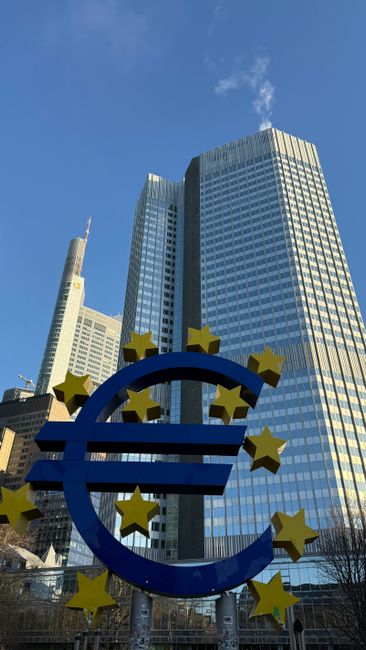
As the September 10 meeting approaches, the focus remains on how the ECB will frame its policy in light of the 3.3% inflation print. The bank's communication will be essential in guiding market expectations and maintaining confidence in the Eurozone's economic framework. With energy prices remaining the primary variable, the situation remains fluid and subject to change based on global developments. The world of finance continues to watch Frankfurt closely as these decisions unfold.
Ask the Author
Subscribers can ask the journalist a question about this story. Subscribe to ask.
নিরপেক্ষতা নোট
Auto-harvested from global news wires and presented neutrally by PENN.
to vote
Comments
No comments yet — be the first to share your thoughts.
Related stories in Markets & Economy
Global Lithium Market Faces Renewed Volatility Amid Supply Chain Shifts
2026-09-25
Indian Rupee Faces Pressure as Reserve Bank of India Weighs Rate Hike
2026-09-25