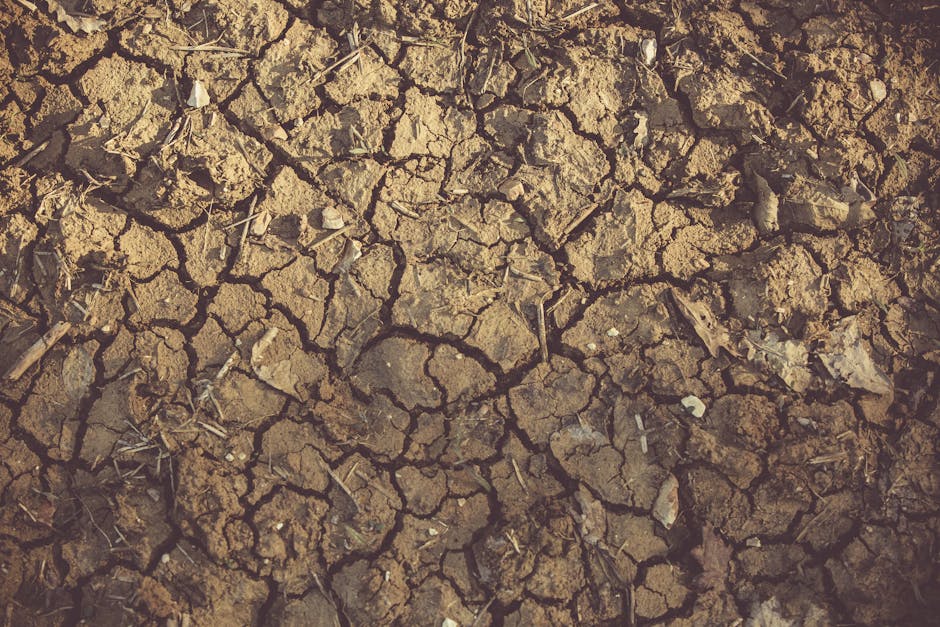
Expanding Drought Conditions Impact Agricultural Regions Across Central America
Meteorological data indicates a significant shift in precipitation patterns, raising concerns for regional food security and water management.
PENN Explainer
Hear this story explained in 90 seconds.
Recent meteorological reports from late September 2026 highlight a concerning trend of expanding drought conditions across parts of Central America. Data from international monitoring agencies suggests that these dry conditions are becoming more widespread as the region navigates shifting climate patterns. Experts are closely observing how these changes might affect local ecosystems and agricultural output in the coming months. The situation remains a primary focus for regional authorities tasked with managing water resources and disaster preparedness.
Climate scientists have noted that the current drought is linked to broader atmospheric shifts occurring across the Western Hemisphere. While some areas have experienced brief periods of relief, the overall trend points toward a persistent lack of rainfall in critical farming zones. This moisture deficit is complicating efforts to maintain consistent crop yields for staple foods. Farmers and local communities are now adjusting their practices to cope with the reduced water availability.
In addition to the challenges faced by the agricultural sector, water security for urban populations has become a significant concern. Municipalities are evaluating their current reservoir levels to determine if rationing or other conservation measures are necessary. Public officials are working to communicate the severity of the situation to residents while coordinating with regional partners. The goal is to ensure that essential services remain functional despite the ongoing environmental stress.
International organizations are providing technical support to help local governments monitor the progression of the drought. By utilizing satellite imagery and ground-based sensors, these groups can track soil moisture levels and vegetation health in real time. This information is vital for creating accurate forecasts that help decision-makers plan for potential shortages. Collaborative efforts are currently underway to share data and best practices across borders.
Economic analysts are also monitoring the situation to understand the potential impact on regional trade. Since many Central American economies rely heavily on agricultural exports, a prolonged drought could have far-reaching financial consequences. Market experts are watching for fluctuations in commodity prices as supply chains react to the changing conditions. Maintaining stability in these markets is a priority for regional economic planners.
Disaster response teams are preparing for the possibility of increased wildfire risks associated with the dry landscape. As vegetation becomes more susceptible to ignition, local fire departments are increasing their readiness and public awareness campaigns. Residents are being encouraged to follow safety guidelines to prevent accidental fires during this period of high vulnerability. Coordination between local and national agencies is essential for an effective response.
Public health officials are also keeping a close watch on the situation, particularly regarding the availability of clean drinking water. In some rural areas, the reliance on local wells and streams makes communities especially sensitive to changes in precipitation. Health departments are working to ensure that water quality standards are maintained even as supplies dwindle. Providing resources for water purification is a key part of the current strategy.
Educational initiatives are being launched to help farmers implement more efficient irrigation techniques. By adopting technologies that minimize water waste, producers hope to build greater resilience against future climate variability. These efforts are supported by agricultural extension services that provide training and equipment to those in need. The transition to more sustainable farming methods is seen as a long-term solution to these recurring challenges.
As the season progresses, meteorologists will continue to analyze the influence of global climate drivers on the region. Understanding the interaction between ocean temperatures and atmospheric circulation is crucial for predicting future weather events. This scientific research provides the foundation for long-term planning and policy development. The international community remains committed to supporting these efforts through data sharing and financial assistance.
Looking ahead, the focus remains on balancing immediate needs with long-term sustainability goals. While the current drought presents significant hurdles, the coordinated response from various sectors demonstrates a commitment to resilience. Continued monitoring and proactive management will be necessary to navigate the coming months. The situation serves as a reminder of the importance of climate preparedness in an increasingly interconnected world.
Ask the Author
Subscribers can ask the journalist a question about this story. Subscribe to ask.
Nota de neutralidad
Auto-harvested from global news wires and presented neutrally by PENN.
to vote
Comments
No comments yet — be the first to share your thoughts.