Flash Floods and Glacier Melt in Himalayas Claim 75 Lives Across Nepal and China
Rising temperatures trigger rapid melting of glaciers and permafrost, leading to devastating floods and landslides in the high-altitude region.
PENN Explainer
Hear this story explained in 90 seconds.
Recent flash floods in the Himalayan region have resulted in the deaths of at least 75 people across Nepal and China. Hundreds more remain missing as rescue teams struggle to reach remote mountain villages. The disaster follows a period of intense rainfall and unusually high temperatures in the high-altitude areas. Local authorities in Nepal reported that the flooding was sudden and caught many residents off guard. In the northern districts, entire homes and bridges were swept away by the rushing water.
Emergency workers are using helicopters to evacuate survivors from areas where roads have been completely destroyed. Across the border in China, similar conditions have led to significant casualties and property damage. The Chinese government has deployed thousands of personnel to assist with search and rescue operations. Officials there are monitoring several mountain lakes that are at risk of overflowing due to the influx of meltwater. The scale of the destruction has made it difficult for aid to reach the most isolated communities.
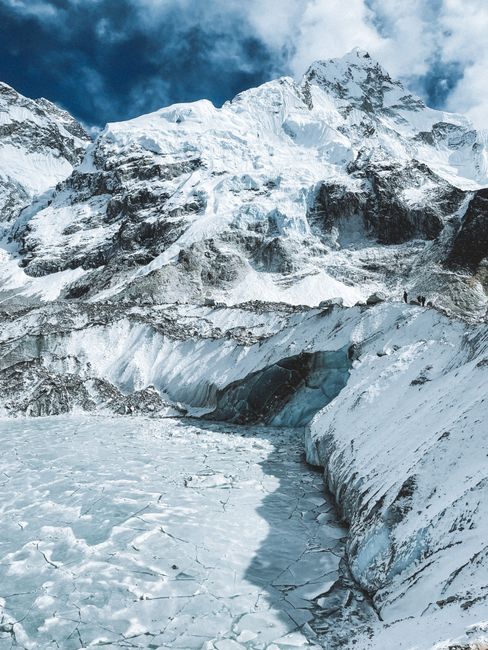
Scientists point to the rapid melting of glaciers and permafrost as a primary driver of these disasters. The Himalayas, often called the "Third Pole," contain the largest amount of ice outside the polar regions. As global temperatures rise, this ice is melting at an accelerated rate, creating unstable conditions. The melting of permafrost, which is ground that stays frozen for two or more years, is particularly concerning. When permafrost thaws, the soil loses its structural integrity and becomes prone to landslides.
This instability makes the steep mountain slopes in Nepal and China extremely dangerous during heavy rain events. Research published by the Associated Press highlights that these events are becoming more frequent as the climate warms. The study notes that the combination of melting ice and intense monsoon rains creates a dangerous situation for flash flooding. This pattern is expected to continue as long as regional temperatures remain above historical averages. Experts say the region is warming faster than the global average.
In Nepal, the floods have highlighted the vulnerability of infrastructure in the high mountains. Many of the affected areas lack the early warning systems needed to alert residents of incoming water. The government is now facing calls to invest more in climate-resilient building practices and disaster preparedness. The impact of the floods extends beyond the immediate loss of life and property. Agricultural land in the valleys has been covered in silt and debris, threatening the livelihoods of local farmers.
Many communities depend on these crops for their survival through the winter months. Environmental experts warn that the melting glaciers also pose a long-term threat to water security. The Himalayan glaciers feed several of Asia's largest rivers, providing water for millions of people downstream. If the glaciers continue to shrink, the seasonal flow of these rivers could become unpredictable. This could lead to water shortages during dry seasons and more frequent flooding during the wet seasons.
International organizations are monitoring the situation closely to provide aid and technical support. Groups like the International Centre for Integrated Mountain Development (ICIMOD) are working to map the changing landscape. Their data helps local governments understand which areas are at the highest risk for future floods. The current crisis has sparked a renewed discussion about the need for regional cooperation on climate issues. Because the Himalayan range spans multiple countries, a coordinated response is necessary.
Leaders in the region are being urged to share data and resources to prevent future tragedies. As the search for the missing continues, the focus remains on immediate relief for the survivors. Providing clean water, food, and medical supplies is the top priority for aid agencies on the ground. The recovery process is expected to take months, if not years, for the hardest-hit communities. Many families have lost everything and will require long-term support to rebuild their lives.
This event serves as a stark reminder of the challenges posed by a changing environment in high-altitude regions. The rapid transformation of the Himalayan landscape is forcing communities to adapt to new and dangerous realities. Scientists continue to study the region to better predict when and where the next flood might occur. They hope that better data will lead to more effective protection for the people living in the shadow of the world's highest peaks. The situation remains critical as weather patterns continue to shift.
Efforts to restore communication and power to the affected areas are ongoing. Engineers are working to repair damaged electrical grids and cell towers to help families reconnect. In the meantime, temporary shelters have been set up in schools and community centers. The international community has expressed solidarity with the victims and pledged assistance for the recovery efforts. The resilience of the local people is being tested as they face one of the worst natural disasters in recent years.
Ask the Author
Subscribers can ask the journalist a question about this story. Subscribe to ask.
Nota di neutralità
Auto-harvested from global news wires and presented neutrally by PENN.
to vote
Comments
No comments yet — be the first to share your thoughts.