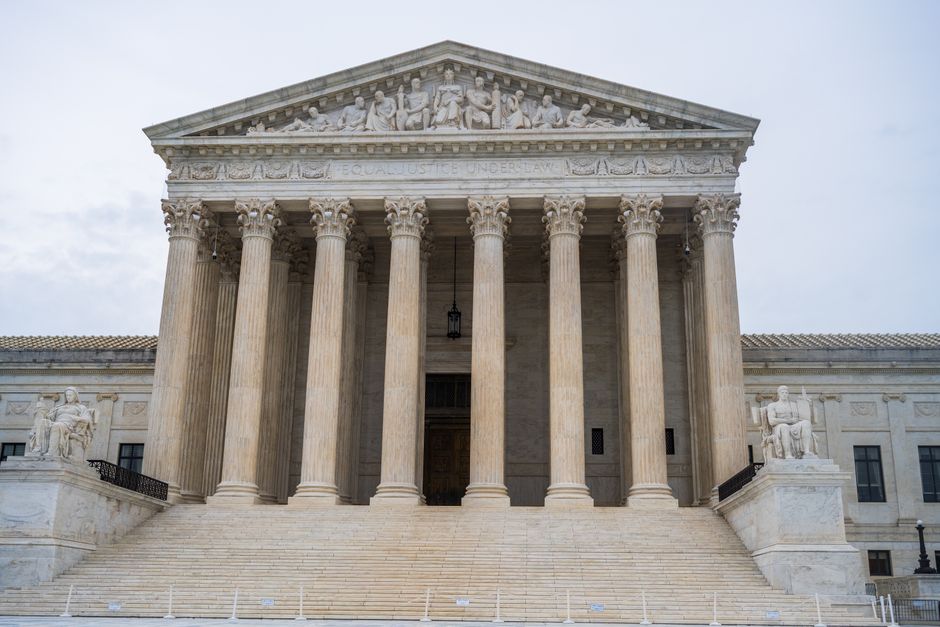
France Constitutional Council Strikes Down Proposed Social Media Ban for Minors
The high court ruled that a legislative attempt to restrict social media access for those under 15 violates fundamental free speech protections.
PENN Explainer
Hear this story explained in 90 seconds.
The Constitutional Council of France has issued a significant ruling regarding the digital rights of minors within the country. The court determined that a proposed law aimed at banning social media access for individuals under the age of 15 is unconstitutional. This decision marks a major development in the ongoing debate over how to balance child safety with the right to freedom of expression. The council found that the legislation, as written, infringed upon the fundamental rights guaranteed by the French Constitution. By striking down the measure, the court has effectively halted the implementation of the proposed age-based restriction. The ruling emphasizes that any limitations on digital access must be carefully balanced against the principles of free speech and individual liberty. Legal experts note that this decision sets a clear precedent for future legislative attempts to regulate online platforms. The council's opinion highlighted that the state must find alternative ways to protect children that do not involve broad bans on communication tools. This case has drawn attention from privacy advocates and technology policy experts across Europe. Many observers were waiting to see how the highest judicial body in France would interpret the intersection of modern technology and constitutional law. The court's reasoning focused on the necessity of ensuring that restrictions are both proportionate and clearly defined. Supporters of the original legislation had argued that such a ban was necessary to protect the mental health and development of young people. They pointed to concerns regarding cyberbullying, exposure to harmful content, and the addictive nature of certain social media algorithms. Conversely, critics of the law argued that it would create a digital divide and prevent young people from accessing educational and social resources. The Constitutional Council ultimately sided with the view that the proposed law was too broad in its scope. The ruling does not prevent the government from exploring other, more targeted measures to address online safety. Future efforts may focus on parental controls, educational initiatives, or stricter requirements for platform transparency. The decision serves as a reminder of the complex challenges that nations face when attempting to regulate the digital landscape. As technology continues to evolve, the legal frameworks governing these platforms will likely remain a subject of intense scrutiny and debate.
Ask the Author
Subscribers can ask the journalist a question about this story. Subscribe to ask.
Neutrality note
Auto-harvested from global news wires and presented neutrally by PENN.
to vote
Comments
No comments yet — be the first to share your thoughts.