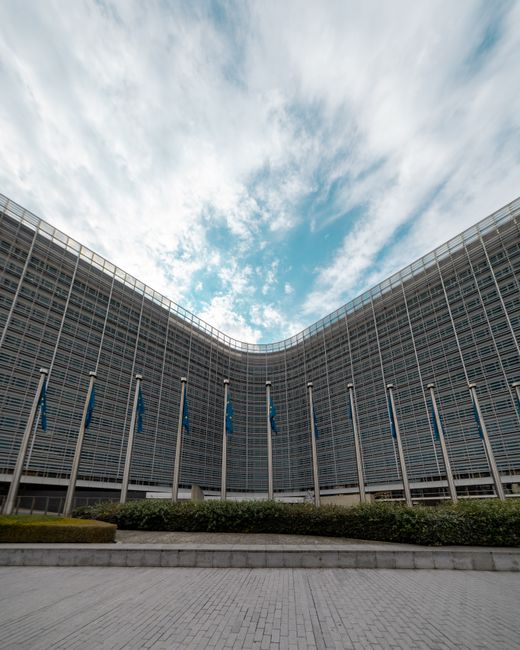
French Authorities Probe Nestlé Waters Over Illegal Mineral Water Treatment
Investigations reveal widespread use of prohibited purification methods in the bottled water industry, sparking concerns over regulatory oversight and consumer transparency.
PENN Explainer
Hear this story explained in 90 seconds.
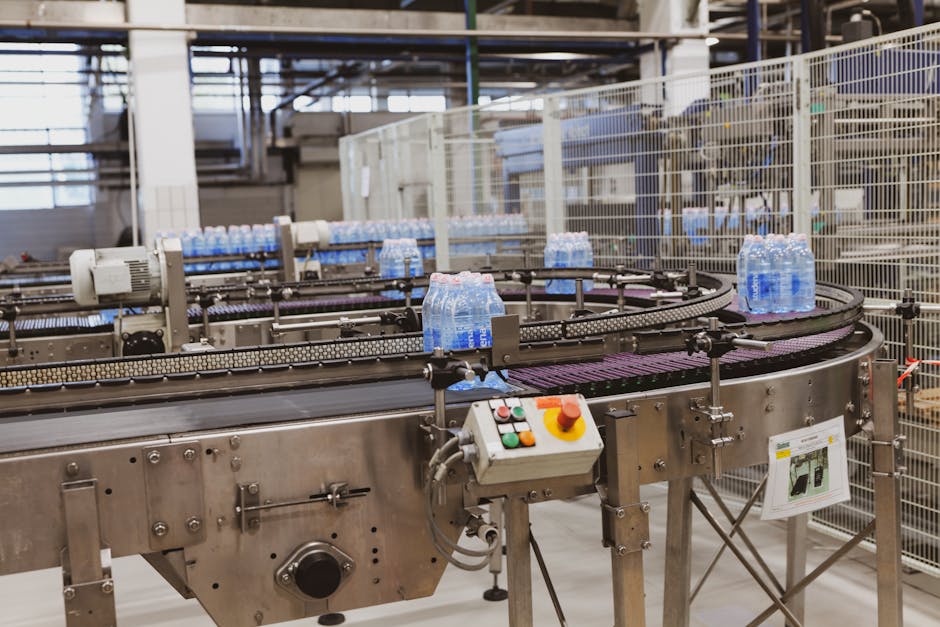
A major investigation into the bottled water industry in France has uncovered that Nestlé Waters, a subsidiary of the global food giant, used prohibited purification methods on its products for years. Reports from Le Monde and Radio France revealed that the company employed micro-filtration and ultraviolet treatments to ensure water safety. Under European Union law, natural mineral water must remain pure and free from such industrial treatments to maintain its specific labeling. The findings have prompted significant public debate regarding the integrity of the 'natural mineral water' designation.
The scandal gained momentum after intestinal bacteria were detected in 75-centilitre bottles at a Nestlé-owned factory in Vergèze, Gard. Investigative units discovered that the contamination was first identified on March 11, 2025, leading to the closure of a production line and the blocking of approximately 300,000 bottles. Further tests on smaller 50-centilitre bottles also showed high levels of revivable germs, which can indicate bacterial contamination. These incidents raised immediate questions about the company's internal quality control processes.
French law requires companies to notify regional health authorities immediately when contamination is detected. However, documents indicate that the Occitanie regional health agency was not informed of the initial bacterial presence until March 21, a delay of ten days. A second issue involving smaller bottles was flagged on March 22 but was not reported to officials until April 4. Nestlé Waters acknowledged the notification delay in a statement to the publication Les Echos, though they maintained that the quality of their products remained unaffected.
Stéphane Mandard, a journalist who led the investigation for Le Monde, described the situation as a 'Water-gate' for the industry. The investigation suggests that the government may have viewed the mineral water sector as a strategic economic asset, potentially influencing the level of regulatory scrutiny applied to these companies. While the treated water was generally considered safe to drink, the core issue remains the discrepancy between the marketing of 'natural' products and the reality of industrial processing. This has led to calls for greater transparency and stricter enforcement of EU food safety standards.
The impact of these findings extends beyond a single company, as the investigation alleged that at least a third of mineral water brands in France may have utilized similar filtration techniques. This revelation has forced regulators to re-examine how they monitor the bottled water supply chain. Consumers and advocacy groups are now demanding clearer labeling and more frequent, independent testing to ensure that products sold as natural meet the legal requirements. The French government is currently under pressure to demonstrate that it can hold large corporations accountable for regulatory breaches.
This case highlights the broader challenges of maintaining public trust in essential resources like drinking water. When companies fail to report contamination promptly, it undermines the role of health agencies in protecting the public. The incident serves as a reminder of the importance of investigative journalism in uncovering systemic failures that might otherwise remain hidden from the public eye. As the investigation continues, the focus remains on whether current laws are sufficient to prevent future misconduct in the food and beverage industry.
Nestlé Waters has stated that it is cooperating with authorities to address the concerns raised by the investigation. The company has emphasized its commitment to safety and quality, noting that all necessary isolation measures were taken once the contamination was identified. However, the reputational damage and the potential loss of the 'natural mineral water' label present significant hurdles for the brand. The outcome of this probe could set a precedent for how mineral water is regulated across the European Union.
Public health experts note that while the specific bacteria found in the bottles may not have caused widespread illness, the failure to follow established protocols is a serious matter. Transparency is essential for consumers to make informed choices about the products they purchase. The ongoing scrutiny of the bottled water industry is expected to lead to more rigorous oversight and potentially new legislation aimed at closing loopholes in the current regulatory framework. The case remains a focal point for those advocating for higher standards in food safety and corporate accountability.
Ask the Author
Subscribers can ask the journalist a question about this story. Subscribe to ask.
Neutralitätsvermerk
Auto-harvested from global news wires and presented neutrally by PENN.
to vote
Comments
No comments yet — be the first to share your thoughts.
Related stories in Investigative

Manitoba Police Accountability Under Scrutiny Following Data Gap
2026-09-26
Argentine Judiciary Advances Corruption Probe into La Libertad Avanza Officials
2026-09-26