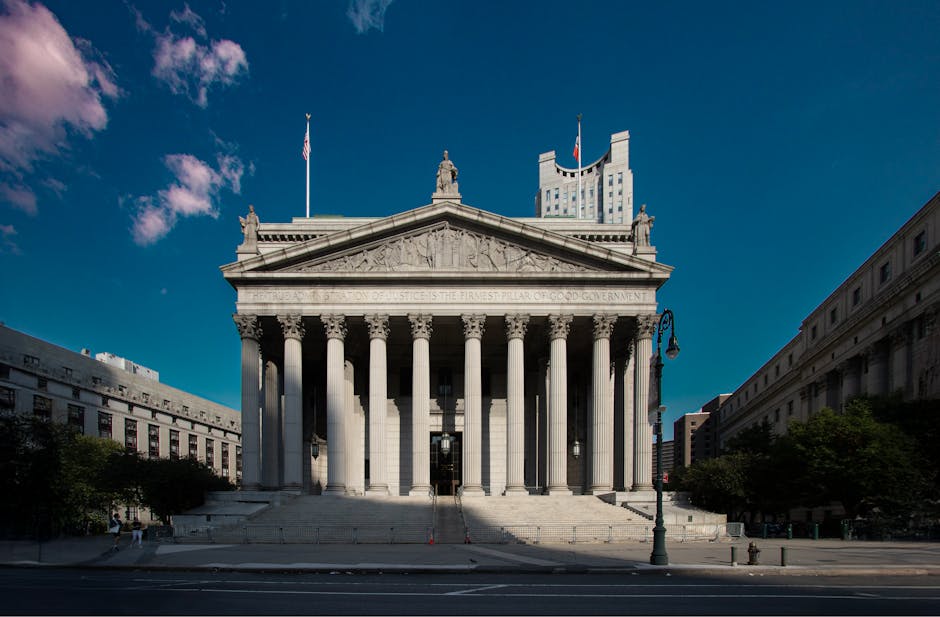
Fukuoka High Court Rules Japan's Same-Sex Marriage Ban Unconstitutional
The ruling marks the eighth victory for marriage equality advocates in a series of nationwide legal challenges.
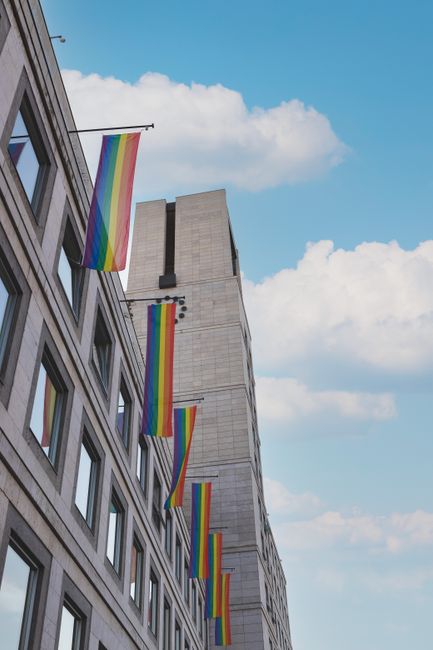
PENN Explainer
Hear this story explained in 90 seconds.
The Fukuoka High Court in Japan issued a significant ruling on December 13, 2024, declaring that the country's refusal to legally recognize same-sex marriage is unconstitutional. Presiding judge Takeshi Okada stated that the current civil law provisions barring marriage between same-sex couples violate the fundamental right to the pursuit of happiness. This right is explicitly guaranteed under the Japanese Constitution. The court further determined that the ban conflicts with constitutional protections regarding individual dignity and the essential equality of all people.
This decision represents the eighth time a Japanese court has found the ban to be unconstitutional or nearly so out of nine total rulings since 2019. It also marks the third consecutive high court victory for plaintiffs following similar rulings in Sapporo and Tokyo earlier in the year. The legal challenges have been brought by various couples across the country who argue that they should be afforded the same legal rights and privileges as heterosexual couples. The Japanese government has historically maintained that Article 24 of the constitution, which describes marriage as a union based on the mutual consent of both sexes, does not include same-sex unions.
However, legal experts and plaintiffs argue that this interpretation is outdated and discriminatory. The Japan Federation of Bar Associations has repeatedly called on the government to revise legislation to recognize same-sex marriage to resolve ongoing human rights concerns. Despite the string of favorable high court rulings, the issue remains unresolved at the national legislative level. Japan is currently the only member of the Group of Seven industrialized nations that does not recognize same-sex marriage or provide legally binding protections for LGBTQ+ couples.
While the recent Fukuoka ruling is a major milestone, the government has not yet signaled an immediate change in policy. The cases are expected to eventually reach the Supreme Court of Japan for a final, definitive ruling. A unified decision from the Supreme Court will be necessary to clarify the relationship between constitutional equality guarantees and existing family law. Until then, the legal landscape remains complex as lower courts continue to weigh in on the matter.
Ask the Author
Subscribers can ask the journalist a question about this story. Subscribe to ask.
Nota de neutralidad
Auto-harvested from global news wires and presented neutrally by PENN.
to vote
Comments
No comments yet — be the first to share your thoughts.