Genetic Analysis Reveals New Baobab Species in Madagascar
Discovery of a distinct baobab species could reshape conservation efforts for threatened trees in the region.
PENN Explainer
Hear this story explained in 90 seconds.
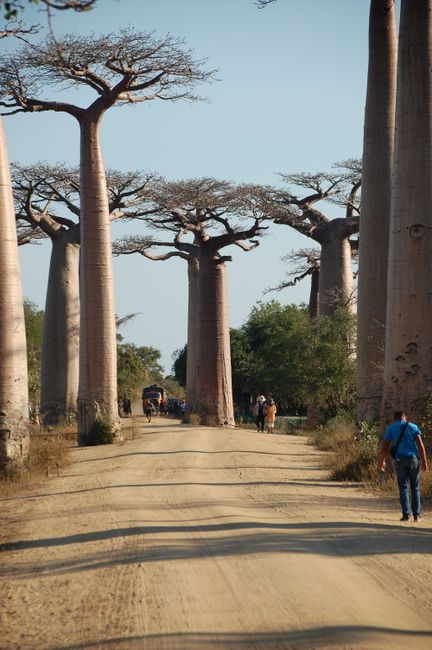
Scientists have identified a previously unknown species of baobab tree in Madagascar, marking a significant discovery for botanical research. The finding came after researchers conducted a detailed genetic analysis of baobab populations across the island. This new species adds to the unique biodiversity that makes Madagascar a global priority for conservationists. The discovery highlights how much of the natural world remains to be fully understood by modern science. Researchers believe this finding could change how experts approach the protection of these iconic, massive trees. Baobabs are often called the 'tree of life' due to their importance in local ecosystems and their ability to store water in harsh climates. The newly identified species was found to be genetically distinct from other known baobabs in the area. This distinction is crucial for understanding the evolutionary history of the genus. Conservation efforts for threatened trees in Madagascar may now need to be updated to account for this specific population. Protecting the habitat of this new species is considered a top priority by the research team. The study underscores the importance of continued field work and genetic testing in remote regions. By identifying these hidden species, scientists can better advocate for the preservation of diverse plant life. The team plans to conduct further studies to determine the population size and specific environmental needs of the new baobab. This work serves as a reminder of the vital role that genetic analysis plays in modern biology. As environmental pressures continue to impact ecosystems, such discoveries provide essential data for long-term conservation strategies.
Ask the Author
Subscribers can ask the journalist a question about this story. Subscribe to ask.
Neutrality note
Auto-harvested from global news wires and presented neutrally by PENN.
to vote
Comments
No comments yet — be the first to share your thoughts.