Geothermal Energy Industry Expands Through New Technology and Partnerships
Companies and government agencies are scaling up next-generation geothermal projects to provide reliable, carbon-free power across the United States.

PENN Explainer
Hear this story explained in 90 seconds.
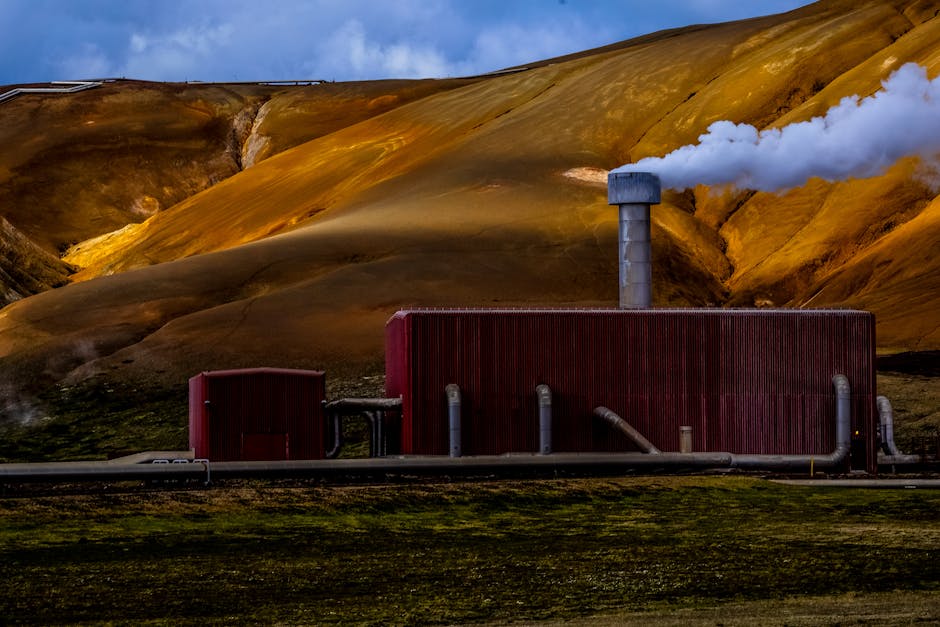
The geothermal energy sector is experiencing a period of rapid growth as companies adopt advanced drilling techniques to access heat from deeper, harder rock formations. Recent developments include major infrastructure agreements and federal approvals aimed at increasing the capacity of the national power grid. These efforts focus on providing consistent, baseload clean energy that can support data centers and local communities alike.
In the United States, Fervo Energy has taken a significant step forward by signing a three-year agreement with Turboden America. This deal secures 1.75 gigawatts of turbine capacity for upcoming projects, which will utilize horizontal drilling and fiber-optic sensing tools. These technologies allow developers to create artificial reservoirs in areas that were previously considered unsuitable for traditional geothermal power plants.
The Bureau of Land Management recently approved the Fervo Cape Geothermal Power Project located in Beaver County, Utah. This facility is designed to generate up to 2 gigawatts of power, which is enough to supply electricity to over 2 million homes. This approval is part of a broader federal initiative that has authorized nearly 32 gigawatts of clean energy projects on public lands since 2021.
Other companies are also expanding their reach through new financial partnerships. XGS Energy recently secured $13 million in funding to advance its water-independent geothermal technology across the Western United States. This investment supports a multi-gigawatt pipeline of projects, including a 150-megawatt facility in New Mexico that is being developed in collaboration with Meta.
Industry researchers note that the cost of these enhanced geothermal systems is steadily declining. According to Dayo Akindipe, a geothermal researcher at the National Laboratory for Renewable Energy, the industry has seen an 8% increase in installed capacity over the last four years. This growth is accompanied by a rise in power purchase agreements for utilities and technology companies seeking reliable renewable energy sources.
The Department of Energy is also supporting this expansion through new funding initiatives. In early 2026, the agency announced $171.5 million in support for a 15-state effort to integrate flexible geothermal power into the national grid. These programs aim to quantify the economic benefits of geothermal energy while training a specialized workforce to manage the transition.
While the industry grows, individual projects continue to face site-specific environmental and safety reviews. In Turkey, the Güzelyurt geothermal project was recently paused to allow for a redesign of the plant's location. By shifting the site 1,450 meters southward, developers aim to address concerns regarding local water resources and public safety.
These regulatory processes highlight the importance of balancing renewable energy goals with local environmental protections. Industry experts emphasize that while geothermal energy is a low-carbon resource, every project must adhere to strict safety standards to ensure long-term sustainability. This approach is intended to maintain public trust as the technology scales up globally.
Advocates for next-generation geothermal energy suggest that the sector offers unique socioeconomic benefits. Because the industry relies on techniques similar to those used in oil and gas extraction, it provides opportunities to retrain existing energy workers for roles in the renewable sector. This transition could help maintain employment levels in regions that have historically relied on fossil fuel production.
Looking ahead, the next five years will be critical for testing new innovations in energy storage and mineral extraction from geothermal brines. As the technology matures, it is expected to play a larger role in providing the firm, flexible power needed to stabilize grids that are increasingly reliant on intermittent sources like wind and solar. The ongoing expansion of these projects reflects a broader shift toward diversifying the global renewable energy portfolio.
Ask the Author
Subscribers can ask the journalist a question about this story. Subscribe to ask.
Nota di neutralità
Auto-harvested from global news wires and presented neutrally by PENN.
to vote
Comments
No comments yet — be the first to share your thoughts.