German Authorities Implement Targeted Hunting to Curb African Swine Fever
Regulated wildlife management programs aim to control the spread of a lethal virus in wild boar populations.

PENN Explainer
Hear this story explained in 90 seconds.
German wildlife authorities have confirmed a new case of African Swine Fever (ASF) in a wild boar located in the eastern part of the country. This highly contagious and often fatal viral disease poses a significant threat to both wild boar populations and domestic pig farming. The detection has prompted immediate action from regional health officials to prevent further transmission of the virus.
African Swine Fever is a severe disease that causes high fever, weakness, and internal hemorrhaging in animals belonging to the Suidae family. According to the Food and Agriculture Organization of the United Nations, mortality rates for infected animals can reach 100 percent. Because there is currently no effective vaccine, managing the disease relies heavily on strict biosecurity and population control measures.
To address the outbreak, German authorities are utilizing regulated hunting as a primary conservation tool. By managing the density of wild boar populations in affected zones, officials aim to reduce the frequency of contact between animals. This strategy is designed to slow the spread of the virus across the landscape and protect surrounding agricultural interests.
Scientific reviews indicate that hunting contributes meaningfully to ASF control only when it is part of a broader, integrated wildlife management strategy. Experts emphasize that traditional hunting methods must be adapted to prioritize disease containment. This includes intensified sampling of harvested animals to monitor the prevalence of the virus in the wild.
In areas where the wild boar population has already declined due to natural mortality from the virus, hunting programs are carefully adjusted. Officials work to ensure that these activities do not inadvertently cause infected animals to disperse into new, healthy areas. The goal is to maintain a stable, healthy population while minimizing the risk of disease transmission.
This approach is supported by international organizations, including the World Organisation for Animal Health and the International Union for Conservation of Nature. These groups have previously warned that ASF represents a major threat to wildlife conservation and global food security. Coordinated regional efforts are considered essential to managing the impact of the disease on biodiversity.
Stakeholders involved in these programs include government veterinarians, local wildlife managers, and hunting associations. These groups collaborate to implement biosecurity protocols that prevent the movement of the virus by humans or equipment. Public awareness campaigns also play a role in ensuring that travelers and farmers understand the risks associated with the disease.
While the current situation is focused on containment, authorities continue to conduct widespread testing across the region. The data gathered from these efforts helps scientists understand the movement of the virus and the effectiveness of current management interventions. This information is vital for refining future strategies to protect both domestic livestock and wild populations.
Conservationists note that the management of wild boar is a complex task that requires balancing ecological health with disease prevention. By treating hunting as a regulated, science-based tool, Germany aims to mitigate the economic and environmental damage caused by the outbreak. The focus remains on long-term stability rather than short-term outcomes.
As the situation evolves, officials remain committed to transparent reporting and cooperation with neighboring regions. The success of these measures depends on the consistent application of management protocols across all affected territories. Future actions will be guided by ongoing monitoring and the latest scientific findings regarding the ecology of the virus.
Ask the Author
Subscribers can ask the journalist a question about this story. Subscribe to ask.
Neutrality note
Auto-harvested from global news wires and presented neutrally by PENN.
to vote
Comments
No comments yet — be the first to share your thoughts.
Related stories in Hunting and Conservation
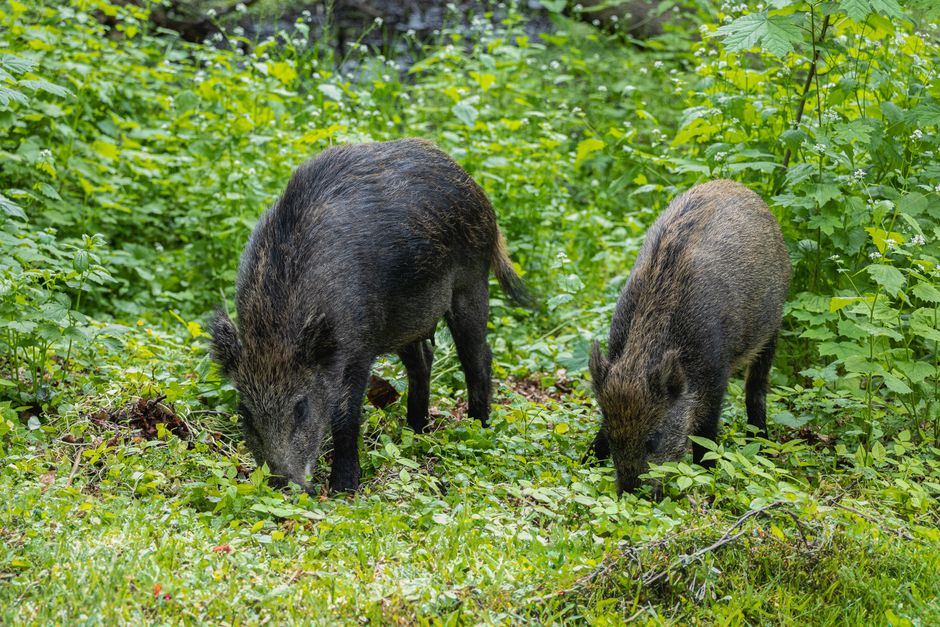
European Authorities Intensify Wild Boar Management to Combat African Swine Fever
2026-10-03
Community-Led Conservation Efforts Protect Endangered Pangolins in India
2026-10-02