
Germany Faces Shift in Commercial Real Estate as Office Vacancy Rates Climb
Major financial institutions report rising pressure on commercial property valuations across Germany's largest urban centers.
PENN Explainer
Hear this story explained in 90 seconds.
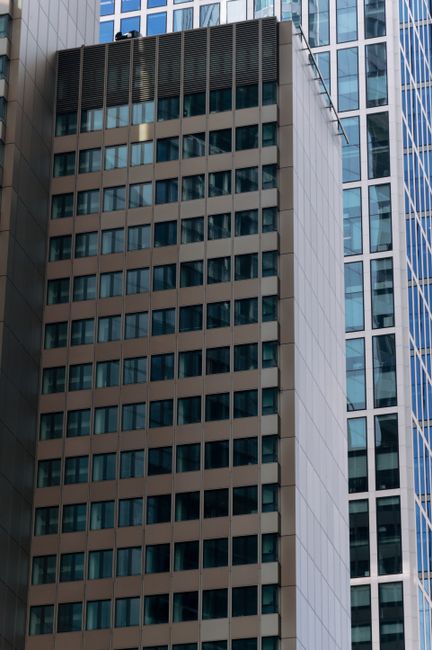
Germany's commercial real estate sector is currently navigating a period of significant adjustment as office vacancy rates in major cities reach new highs. Financial institutions and market analysts are closely watching these trends, which reflect broader changes in how businesses utilize office space following the global shift toward flexible working arrangements. Data from the real estate services firm Jones Lang LaSalle shows that office vacancy rates in cities like Frankfurt, Berlin, and Munich have climbed steadily over the past year. This increase is largely attributed to companies downsizing their footprints as they adapt to hybrid work models that require less permanent desk space.
Owners of older office buildings are finding it increasingly difficult to attract long-term tenants who now prioritize modern, energy-efficient facilities. Christian Schulz, a senior analyst at Citigroup, noted that the valuation of commercial properties is being pressured by both high interest rates and falling demand for traditional office layouts. He stated that investors are becoming more selective about their portfolios to mitigate risks associated with declining rental income. This shift in sentiment has led to a slower pace of new investment activity compared to previous years.
In response to these market conditions, the European Central Bank has expressed concerns regarding the exposure of some regional banks to the commercial property market. While the banking sector maintains that it is well-capitalized, regulators are encouraging institutions to stress-test their portfolios against potential further declines in property values. This oversight aims to ensure financial stability as the market works through a period of revaluation. Developers are also changing their strategies to better align with current demand for sustainable and flexible spaces.
Many new projects in Berlin are now focused on converting existing structures into mixed-use developments that combine office areas with residential or retail spaces. This approach seeks to reduce the reliance on singular office-based revenue streams that have become more volatile in the current economic environment. Urban planners are working with private developers to rethink the design of city centers to prevent prolonged vacancy of high-rise towers. There is an emerging emphasis on creating office spaces that provide communal amenities and collaborative zones to entice employees back to the workplace.
Supporters of this approach argue that revitalizing these buildings is essential for maintaining the vibrancy of major German business hubs. Despite the challenges, some segments of the commercial market remain resilient, particularly those focused on logistics and specialized laboratory space. Demand for industrial warehouses continues to be driven by the expansion of e-commerce and the need for localized distribution centers. These assets have performed differently than traditional office spaces, highlighting a split within the broader commercial real estate sector.
Local government officials in Frankfurt are examining potential policy updates to facilitate the rapid repurposing of office blocks. These discussions often involve balancing the need for new housing with the preservation of essential business infrastructure. Finding a path forward that supports both economic growth and social needs remains a primary goal for municipal leaders. Investors from outside Europe are also adjusting their strategies for the German market as they weigh the potential for a price recovery.
Some market participants see the current devaluation as an opportunity to acquire assets at more competitive price points. Others remain cautious, waiting for clearer signs of stabilization in rental demand before committing to major acquisitions. Looking ahead, the transformation of the commercial real estate landscape will likely continue as vacancy rates influence long-term planning. The ability of property owners to successfully modernize their holdings will determine which assets maintain value in the coming years. Market observers anticipate that this evolution will remain a central theme in Germany's economic development for the foreseeable future.
Ask the Author
Subscribers can ask the journalist a question about this story. Subscribe to ask.
Neutrality note
Auto-harvested from global news wires and presented neutrally by PENN.
to vote
Comments
No comments yet — be the first to share your thoughts.
Related stories in Real Estate & Housing
Australia Introduces Landmark Legislation to Boost Housing Density Near Transit Hubs
2026-10-06
Singapore Public Housing Market Records Second Consecutive Quarterly Price Decline
2026-10-05