
Giant Tortoises Reintroduced to Galápagos Island After Nearly 150-Year Absence
Conservationists release dozens of juvenile tortoises onto Floreana Island to revive native flora and restore ecosystem balance.
PENN Explainer
Hear this story explained in 90 seconds.
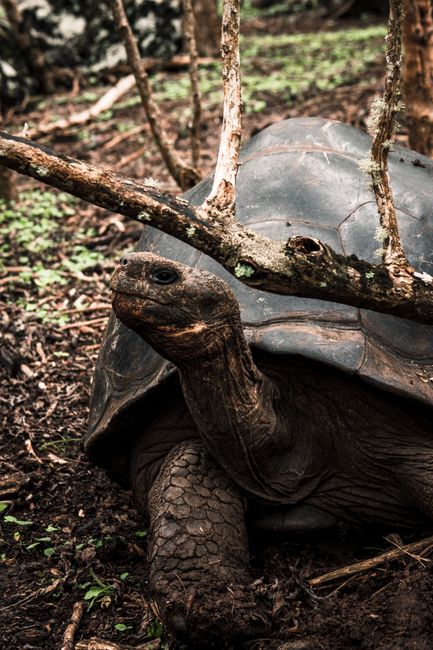
Conservation biologists have successfully returned giant tortoises to Floreana Island in Ecuador's Galápagos archipelago, marking their return nearly 150 years after the original population was driven to extinction. Floreana giant tortoises vanished in the late nineteenth century after decades of exploitation by visiting whalers, pirates, and early settlers who harvested them for meat and oil.
To repopulate the territory, experts identified hybrid tortoises living around Wolf Volcano on neighboring Isabela Island that carry significant amounts of Floreana tortoise DNA. Over several years of targeted breeding programs overseen by the Galápagos National Park Directorate and the Galápagos Conservancy, scientists successfully raised healthy juvenile offspring suited for release.
A team of park rangers and researchers transported dozens of young tortoises to designated release zones across Floreana Island. The animals were carefully carried across rugged volcanic terrain in specialized backpacks and crates before being placed directly into their new habitats.
Before reintroducing the reptiles, conservation teams carried out multi-year ecological restoration projects to eliminate destructive invasive species. Non-native mammals like feral goats, pigs, and rodents had degraded local vegetation and disrupted nesting grounds across the island for over a century.
Scientists describe giant tortoises as vital ecosystem engineers. As they forage across vast distances, they disperse seeds, graze heavily on dense shrubs, and create pathways that allow native plants and smaller animal species to flourish.
The released tortoises have each been microchipped and fitted with tracking monitors. Rangers and researchers will track their growth, diet, dispersal patterns, and health conditions over the coming months and years.
Local human communities on Floreana Island have also participated actively in the broader restoration project. Island residents participated in training programs and educational workshops to foster long-term community stewardship for the returning tortoises and the surrounding environment.
Conservation directors note that while the reintroduction is a major step forward, establishing a stable, self-sustaining breeding population will require decades of careful monitoring. Because giant tortoises take upwards of twenty to twenty-five years to reach sexual maturity, long-term monitoring will remain critical.
Regional authorities pointed to the release as part of the broader Floreana Island Ecological Restoration Project, which aims to reintroduce up to twelve locally extinct native species over the coming decade.
International conservation specialists have hailed the effort as a practical blueprint for island rewilding projects worldwide, demonstrating how genetic identification, invasive species eradication, and captive breeding can reverse historical extinctions.
Ask the Author
Subscribers can ask the journalist a question about this story. Subscribe to ask.
Note de neutralité
Auto-harvested from global news wires and presented neutrally by PENN.
to vote
Comments
No comments yet — be the first to share your thoughts.


