Gjirokastër, Albania
The Stone City of the Drino Valley
PENN Explainer
Hear this story explained in 90 seconds.
Gjirokastër, Albania
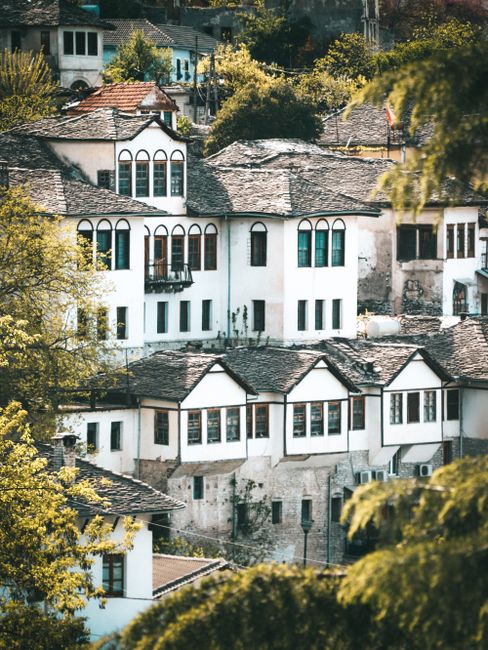
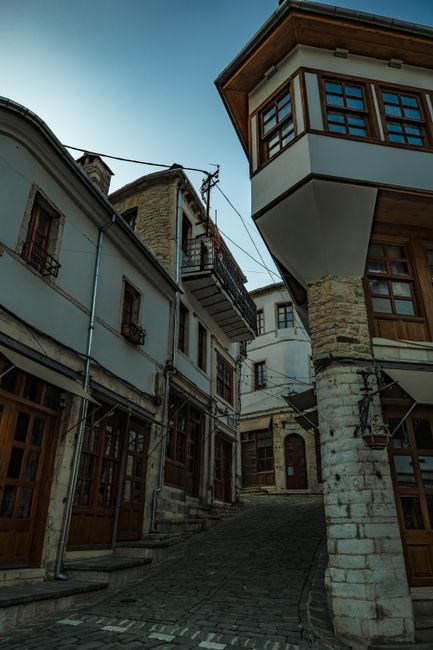
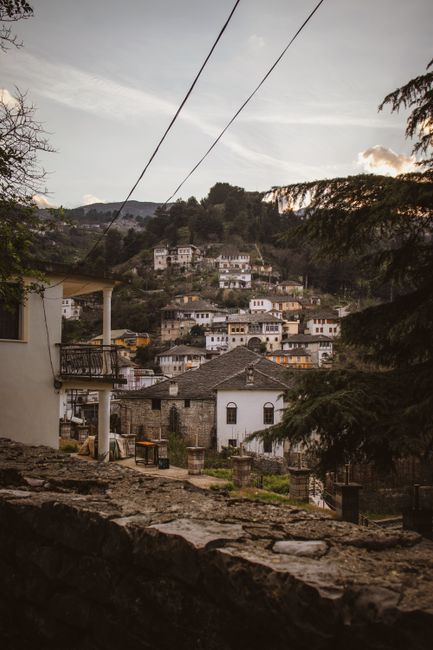
Nestled in the Drino Valley of southern Albania, Gjirokastër is a mesmerizing UNESCO World Heritage site renowned for its remarkably preserved Ottoman-era architecture and steep, cobblestone streets. Often called the "Stone City," this historic urban center serves as a living museum of Balkan history, culture, and resilience.
- Gjirokastër is famously nicknamed the "Stone City" because of its unique architectural style, which features traditional fortified tower-houses known as 'kulle'. These structures were built using local grey limestone for the walls and heavy slate for the roofs, creating a distinct, monochromatic skyline that has survived for centuries.
- The city's history dates back to the 13th century, and it flourished as a prosperous trading hub during the 17th century under the Ottoman Empire. During this period, local nobility and merchants invested their wealth into grand, defensive homes that showcased their status and power.
- Gjirokastër Castle, which looms over the city, is one of the largest in the Balkans and has served as a fortress, a prison, and a military base throughout its long history. Today, it remains a primary tourist attraction, offering panoramic views of the surrounding valley and housing a collection of historical artifacts.
- The city is the birthplace of three highly influential Albanian figures: the former communist leader Enver Hoxha, the renowned writer Ismail Kadare, and the linguist Eqrem Çabej. The house where Enver Hoxha was born now serves as the city's Ethnographic Museum, providing deep insights into local customs and social history.
- Gjirokastër's location near the Greek border has historically fostered a blended cultural identity, with significant Greek influence on its commerce, language, and social networks. This proximity to the frontier has made the city a unique gateway between Albanian and Greek civilizations for generations.
- The Old Bazaar, or Qafa e Pazarit, has been the heart of city life for centuries and remains a vibrant center for traditional crafts. Visitors can still find artisans practicing age-old techniques in woodcarving, stonework, and intricate embroidery, keeping the city's heritage alive.
- During the communist era, the city was designated a "museum town" and underwent significant industrialization, though efforts were also made to preserve its unique architectural character. The fall of the communist regime in the early 1990s was marked in Gjirokastër by the symbolic demolition of a massive statue of Enver Hoxha.
- The city experiences a hot-summer Mediterranean climate, which is influenced by the surrounding mountainous geography and often results in higher rainfall than other parts of the region. This climate has historically shaped the agricultural practices of the Drino Valley, which supported the city's early economic growth.
- Gjirokastër is a major academic and administrative center for the southern region of Albania, hosting various cultural institutions that promote the preservation of its heritage. It continues to serve as a point of reference for Albanian cultural emancipation and national identity.
- The city's economy has transitioned significantly over the decades, moving from a focus on industry during the socialist period to a modern reliance on tourism, services, and agriculture. Despite these shifts, the town remains a vital economic hub for the surrounding Gjirokastër County.
Photo Gallery
Ask the Author
Subscribers can ask the journalist a question about this story. Subscribe to ask.
Nota de neutralidade
Community of the Day feature by PENN editorial.
to vote
Comments
No comments yet — be the first to share your thoughts.
Author
Planet Earth News Travel DeskSenior Editor, Planet Earth News Network
View all articles by Desk →