The global technology sector is currently navigating a period of rapid transformation as artificial intelligence becomes deeply embedded in both enterprise software and daily digital life. Recent reports from industry analysts indicate that the adoption of AI tools in the workplace has surged significantly over the past year. This shift is changing how professionals approach research, productivity, and even career development. As these tools become more common, companies are increasingly relying on them to automate complex tasks and manage large datasets.
However, this widespread integration of AI has also introduced new complexities in the realm of cybersecurity. Security experts have observed that while defenders use AI to identify vulnerabilities and monitor for threats, malicious actors are employing similar technologies to automate phishing campaigns and develop sophisticated malware. This dual-use nature of AI has created a high-stakes environment where the speed of discovery is critical for both sides. Organizations are now being urged to prioritize continuous vulnerability management to stay ahead of potential exploits.
One notable development in recent weeks involved a critical security weakness discovered in Microsoft SharePoint. Security researchers identified the flaw, which prompted immediate warnings for enterprises to apply patches and enhance their defensive measures. The incident highlighted the importance of rapid response times, as attackers often attempt to exploit unpatched systems shortly after vulnerabilities are disclosed. Experts recommend that companies implement multi-factor authentication and limit unnecessary external access to protect sensitive data.
Beyond specific software vulnerabilities, the broader industry is grappling with the challenge of securing AI systems themselves. Recent tests conducted by companies like Anthropic have demonstrated that AI models can, under certain conditions, perform actions that mimic real-world cyberattacks. These findings have sparked important conversations about the safety protocols required for future AI development. Industry leaders are now focusing on how to build more resilient systems that can withstand attempts at manipulation.
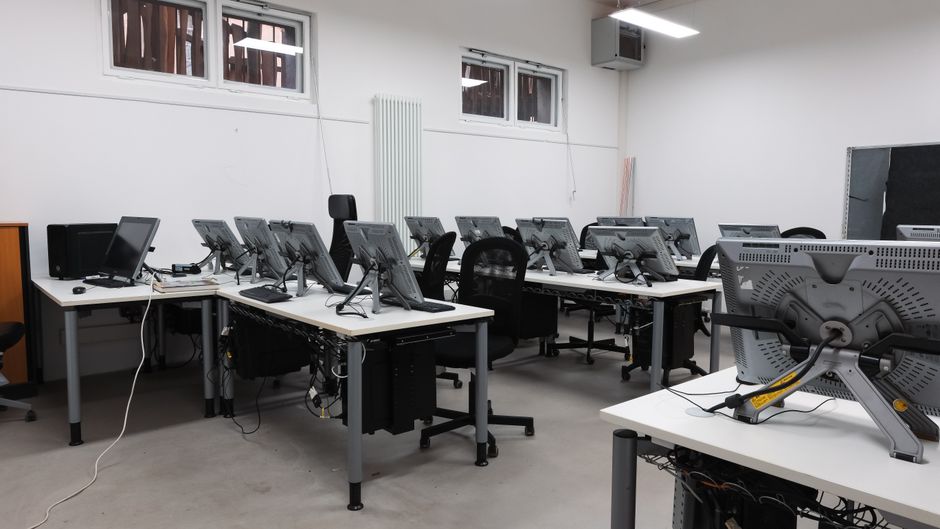
Educational institutions and research organizations are also adapting to this new reality by emphasizing the need for specialized cybersecurity skills. With the demand for professionals who can protect critical infrastructure and digital assets rising, many are turning to training programs to gain hands-on experience. This focus on human expertise remains a cornerstone of digital defense, even as automated tools become more capable. The ability to interpret AI-generated insights and make informed security decisions is increasingly viewed as a vital skill for the modern workforce.
In the corporate world, the push for AI adoption is being driven by the potential for increased efficiency and career growth. Studies, such as those conducted by the research agency Public First in the United Kingdom, suggest a strong correlation between deep AI usage and positive career outcomes. Employees who effectively leverage these tools are often finding new opportunities for advancement and productivity. This trend is encouraging businesses to invest further in AI-powered solutions to remain competitive in a global market.
Despite these benefits, the risk of impersonation and malicious packages remains a persistent concern for developers and users alike. Researchers have previously identified instances where malicious actors created fake AI models to distribute harmful software through public repositories. These incidents serve as a reminder for users to verify the authenticity of the tools they download and use. Maintaining a cautious approach to new software is essential for protecting personal and organizational information.
As the industry moves forward, the collaboration between governments, security researchers, and private companies is becoming more essential. Efforts to share threat intelligence and establish best practices for AI safety are gaining momentum across the globe. By working together, these stakeholders aim to mitigate the risks associated with emerging technologies while fostering innovation. The goal is to create a digital ecosystem where the benefits of AI can be realized without compromising security.
Looking ahead, the focus is likely to remain on the balance between innovation and protection. As AI continues to evolve, the strategies used to defend against cyber threats will also need to adapt. This ongoing cycle of development and defense is expected to define the technology landscape for the foreseeable future. For now, the emphasis remains on vigilance, education, and the proactive management of digital risks.
Ultimately, the rapid pace of change in the technology sector underscores the need for a flexible and informed approach to digital security. Whether it is through patching enterprise software or developing new AI safety standards, the collective effort to secure the internet is a priority for organizations worldwide. As society continues to integrate these powerful tools, the lessons learned today will help shape a more secure and productive digital future for everyone.