
Global Displacement Trends Shift as UNHCR Reports First Decline in a Decade
While the total number of displaced people fell in 2025, millions remain in long-term refugee situations worldwide.
PENN Explainer
Hear this story explained in 90 seconds.
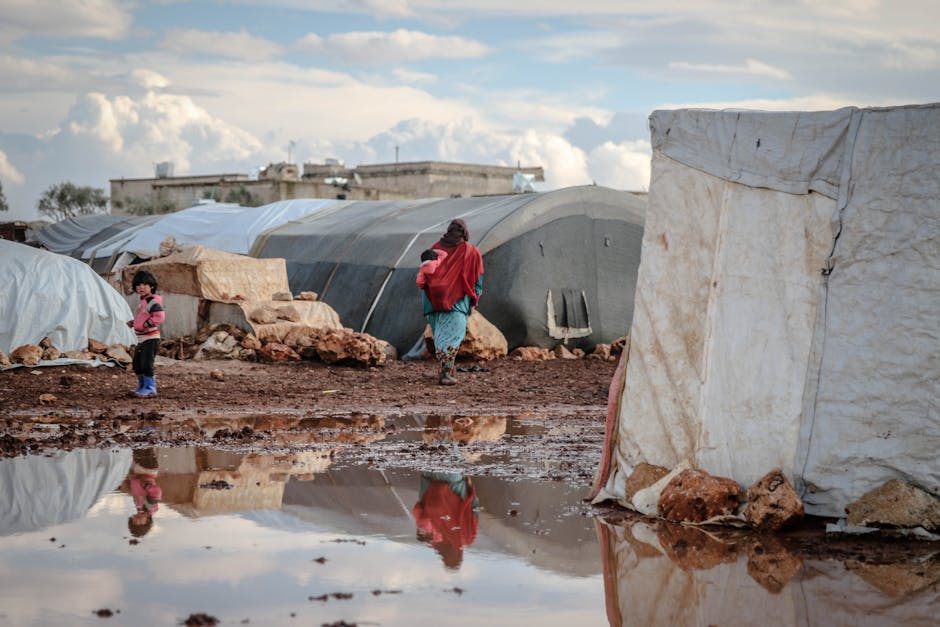
The United Nations High Commissioner for Refugees (UNHCR) released a significant report on June 11, 2026, indicating that the number of people displaced globally by conflict and persecution decreased in 2025. This marks the first time in a decade that the total number of displaced individuals has seen a decline. Despite this positive trend, the agency emphasized that the number of people facing long-term displacement remains at an unacceptably high level. The report highlights the ongoing challenges faced by millions who are unable to return to their homes due to persistent instability. According to the UNHCR, there are currently 41.6 million refugees or people in refugee-like situations worldwide. This figure includes 6 million Palestinian refugees who continue to live in protracted displacement. The agency has set an ambitious goal to halve the number of refugees in long-term displacement by the year 2035. A notable development in the report is the significant increase in the number of people returning to their home countries. Approximately 14.7 million refugees and internally displaced people returned home in 2025, representing a 50% increase from the previous year. This figure is the second-highest recorded since the agency began tracking such data in 1965. While these returns offer hope for many families, the overall scale of global displacement remains a complex humanitarian issue. The UNHCR continues to work with international partners to address the root causes of migration and provide support to those in need. Efforts are focused on both immediate relief and long-term solutions to help displaced populations rebuild their lives. The agency remains committed to protecting the rights of refugees and ensuring they have access to safety and stability. As the global community navigates these shifting trends, the focus remains on balancing border security with humanitarian obligations. The data provided by the UNHCR serves as a critical tool for policymakers as they develop strategies to manage migration and support displaced individuals across the globe.
Ask the Author
Subscribers can ask the journalist a question about this story. Subscribe to ask.
Nota de neutralidade
Auto-harvested from global news wires and presented neutrally by PENN.
to vote
Comments
No comments yet — be the first to share your thoughts.
Related stories in Immigration & Migration

Canada Implements New Immigration Levels Plan to Stabilize Population Growth
2026-10-02
International Arbiters Rule in Favor of UK Regarding Canceled Rwanda Asylum Agreement
2026-10-01