Global Leaders Convene at UN to Address Escalating Conflict-Related Food Insecurity
International representatives debate urgent strategies to mitigate famine risks as global food systems face unprecedented pressure from ongoing conflicts.
PENN Explainer
Hear this story explained in 90 seconds.
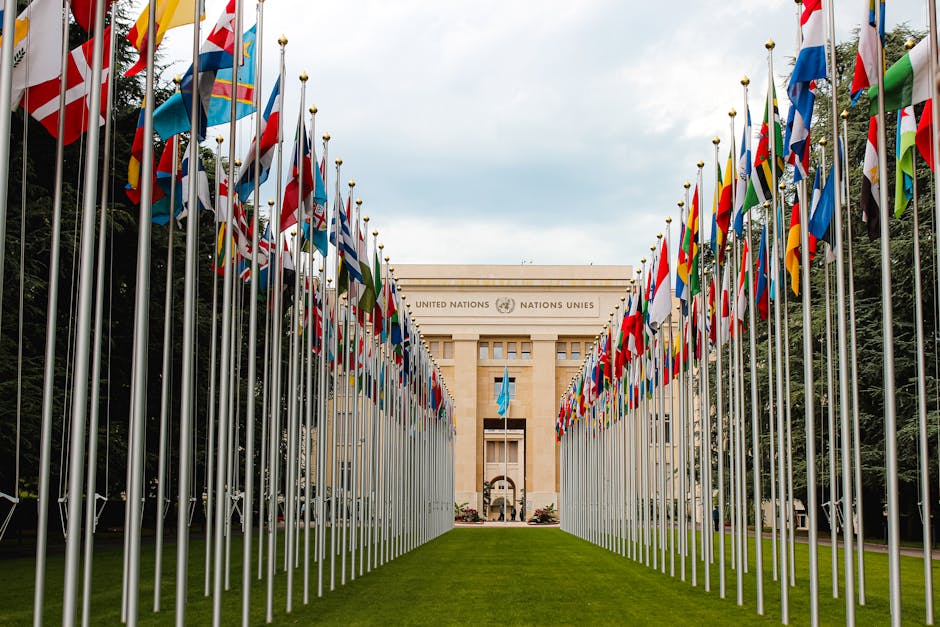
United Nations officials and humanitarian leaders gathered in New York this week for a high-level open debate focused on the critical intersection of conflict and global food security. The session, titled 'Food under fire: the Security Council’s role in mitigating global and local food crises,' highlighted the growing danger of famine in war-torn regions. More than 80 representatives from various nations participated in the discussions to address how geopolitical instability directly disrupts food production and distribution. The meeting underscored the urgent need for international cooperation to protect agricultural infrastructure and supply chains during times of war. Many speakers emphasized that food should never be used as a weapon of conflict, calling for stronger protections for humanitarian aid workers and civilian food sources. The debate comes at a time when several regions are experiencing severe malnutrition rates, exacerbated by both climate-related disasters and ongoing military engagements. UN officials urged the Security Council to take decisive action to prevent the further deterioration of food security in the most vulnerable areas of the world. The discussions also touched upon the necessity of maintaining open trade routes to ensure that essential food supplies can reach populations in need. Several delegates pointed out that the current global food crisis is not merely a matter of supply, but a complex issue involving logistics, funding, and political will. The assembly heard testimonies regarding the destruction of aid supplies and the targeting of agricultural facilities, which have significantly hampered relief efforts. As the international community looks toward the future, the consensus among many participants was that long-term stability requires a more robust framework for conflict resolution. The meeting concluded with a call for member states to prioritize food security in their diplomatic agendas to avoid a catastrophic rise in global hunger. The UN continues to monitor the situation closely, working with local partners to deliver emergency assistance where it is needed most. This high-level dialogue serves as a reminder of the interconnected nature of global peace and the fundamental human right to food.
Ask the Author
Subscribers can ask the journalist a question about this story. Subscribe to ask.
Neutrality note
Auto-harvested from global news wires and presented neutrally by PENN.
to vote
Comments
No comments yet — be the first to share your thoughts.