
Businessen
Global Markets Brace for Volatility as Strait of Hormuz Tensions Escalate
Rising crude oil prices and geopolitical instability create uncertainty for international trade and energy security.
PENN Explainer
Hear this story explained in 90 seconds.
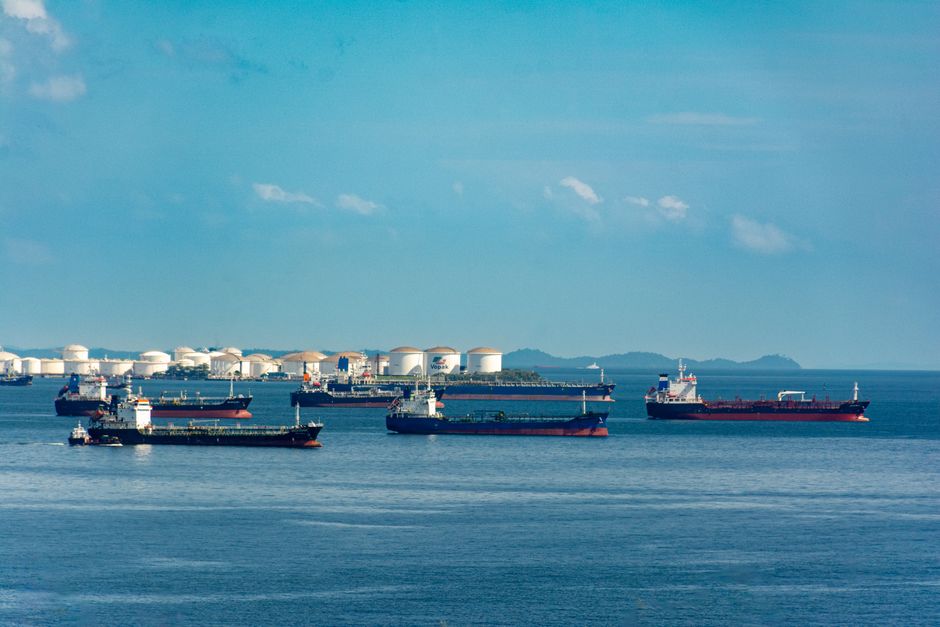
Global financial markets are currently facing a period of heightened uncertainty as geopolitical tensions surrounding the Strait of Hormuz continue to intensify. Analysts are closely monitoring the situation, noting that the waterway remains a critical artery for the world's energy supply. Any disruption to shipping through this region has the potential to cause significant ripples across international trade and finance. Investors are expressing concern that the ongoing standoff could lead to sustained pressure on global energy markets.
Crude oil prices have reacted sharply to these developments, with market observers noting that Brent crude has recently hovered near the $97 per barrel mark. Financial institutions, including Goldman Sachs, have issued warnings that oil prices could potentially climb as high as $120 per barrel if the situation in the Strait of Hormuz continues to deteriorate. Such a surge would place substantial financial strain on both developed and emerging economies that rely heavily on energy imports.
Shipping companies are also adjusting their long-term outlooks in response to the elevated risk environment. Mitsui OSK Lines has indicated that it expects disruptions to tanker traffic in the region to extend well beyond the current calendar year. These logistical challenges are forcing firms to reconsider their supply chain strategies to ensure the safe and consistent delivery of essential commodities.
In India, the impact of these global energy trends is being felt directly by households and businesses. Rising costs for crude oil imports are contributing to domestic inflationary pressures, leading to increased scrutiny of fuel pricing in major cities like Delhi, Mumbai, and Bengaluru. Policymakers are tasked with balancing the need for energy security against the economic burden placed on consumers.
Stock markets across Asia have shown signs of volatility as traders digest the latest geopolitical updates. While some regional markets have seen modest gains, the overall sentiment remains cautious as investors await further clarity on interest rate policies from the United States Federal Reserve. The minutes from the Fed's July meeting are expected to provide essential clues regarding the future direction of global monetary policy.
Beyond the immediate energy crisis, the broader economic landscape remains complex. The United States is grappling with a national debt that has reached $40 trillion, with rising interest payments adding to the fiscal challenges faced by the government. Economists have described the current environment as an 'all-hands-on-deck' situation, highlighting the need for careful management of public finances.
Corporate leaders are also navigating a challenging environment marked by shifting trade dynamics and technological change. Companies are increasingly prioritizing the creation of resilient supply chains to mitigate the risks posed by geopolitical instability. This trend is particularly evident in the expansion of business activities across the China-ASEAN region, where firms are adopting new strategies to maintain growth.
Despite these challenges, some sectors continue to show resilience. Financial institutions like Standard Chartered have reported better-than-expected performance, bolstered by strong wealth management and global banking divisions. Such results suggest that while macroeconomic headwinds are significant, specific segments of the global economy remain robust.
As the week progresses, market participants will be looking for signs of de-escalation in the Middle East. The interplay between energy prices, interest rates, and geopolitical stability will likely remain the primary driver of market movement for the foreseeable future. Observers emphasize that transparency and clear communication from global leaders will be essential in maintaining market confidence.
Ultimately, the current situation underscores the interconnected nature of the modern global economy. Events in a single strategic waterway can have profound consequences for businesses and consumers thousands of miles away. As the world watches the Strait of Hormuz, the focus remains on finding a path toward stability that supports sustainable economic growth.
Ask the Author
Subscribers can ask the journalist a question about this story. Subscribe to ask.
तटस्थता टिप्पणी
Auto-harvested from global news wires and presented neutrally by PENN.
to vote
Comments
No comments yet — be the first to share your thoughts.
Related stories in Business

Vanguard International Semiconductor Opens Landmark $7.8 Billion Chip Facility in Singapore
2026-10-03
International Monetary Fund Identifies India as Primary Driver of Global Economic Growth
2026-10-03