Businessen
Global Oil Prices Surge Toward Six-Week High Following Renewed Persian Gulf Trade Tensions
Crude benchmarks advance as shipping concerns and geopolitical friction across the Strait of Hormuz prompt energy market reassessments.
PENN Explainer
Hear this story explained in 90 seconds.
International benchmark crude prices moved sharply higher on Monday, advancing toward a six-week high following escalated commercial and diplomatic tensions affecting maritime transit through the Persian Gulf. Energy market participants responded to newly announced restrictions and heightened security checks along critical sea lanes, raising operational considerations for international shippers.
Brent crude futures and United States West Texas Intermediate crude both registered notable increases during early trading sessions across Asian and European commodity exchanges. Traders and analysts pointed to mounting friction near the Strait of Hormuz, a maritime chokepoint responsible for handling roughly one-fifth of global petroleum consumption, as the primary catalyst behind the sudden price jump.
Energy analysts noted that the rapid price movement reflects broader structural concerns regarding supply continuity. While actual physical exports have experienced minimal direct interdiction thus far, marine insurers have responded by reviewing additional risk premiums for commercial vessels transiting through regional waters.
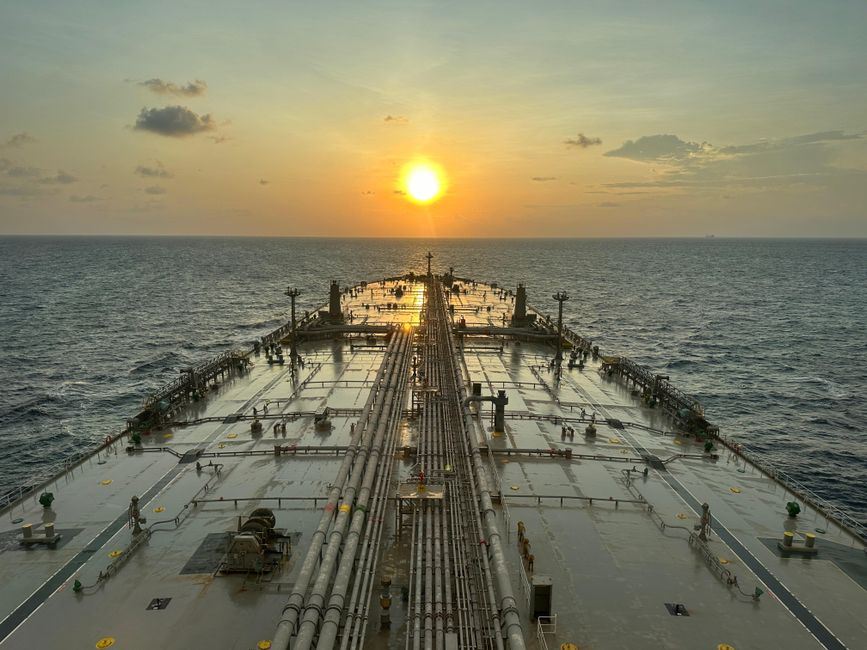
Rising insurance costs typically trickle down across the energy supply chain, directly impacting charter rates for very large crude carriers and raising landed import expenses for consumer nations. Refiners across major industrial hubs in East Asia and Western Europe are reportedly monitoring spot inventory balances closely to evaluate whether prolonged transit friction will require alternative sourcing.
The oil market's reaction also comes amid ongoing negotiations between major producing nations and consumer economies over baseline output targets. Members of the Organization of the Petroleum Exporting Countries and partner nations, known collectively as OPEC+, have maintained disciplined production ceilings over recent quarters, leaving global inventories comparatively lean.
Market economists underscored that even modest logistical friction can trigger pronounced pricing swings when commercial inventories are tight. Commodity desks at major international investment banks reported increased hedging activity from commercial airlines, transport conglomerates, and heavy manufacturers seeking protection against potential medium-term fuel price spikes.
Beyond direct shipping lanes, macroeconomic forecasters highlighted the potential inflationary impact of durable crude oil appreciation. Elevated fuel costs often complicate monetary policy trajectories by keeping core inflation and transport metrics elevated, potentially constraining the flexibility of central banks preparing baseline interest rate decisions.
Government trade representatives from import-dependent economies have called for unrestricted navigation through international waters in compliance with standard maritime treaties. Commercial associations representing private maritime operators similarly stressed the importance of unimpeded sea lanes to ensure steady commercial delivery schedules.
Shipping registries indicated that several major fleet operators have started updating transit guidance and advisory protocols for crews operating in Gulf waters. Some commercial freight lines are considering precautionary routing adjustments to avoid congested narrow passages where inspection delays are most prevalent.
Trading volume across derivative contracts, including crude call options and calendar spreads, reached multi-week highs as institutional investors adjusted exposure. Analysts expect petroleum benchmarks to remain sensitive to official trade communications and maritime monitoring reports in the days ahead.
Ask the Author
Subscribers can ask the journalist a question about this story. Subscribe to ask.
Neutrality note
Auto-harvested from global news wires and presented neutrally by PENN.
to vote
Comments
No comments yet — be the first to share your thoughts.