Google Launches Pixel 11 Series and Pixel 11 Pro Fold
The latest hardware lineup from Google introduces new smartphone models and a Bluetooth tracking device.
PENN Explainer
Hear this story explained in 90 seconds.
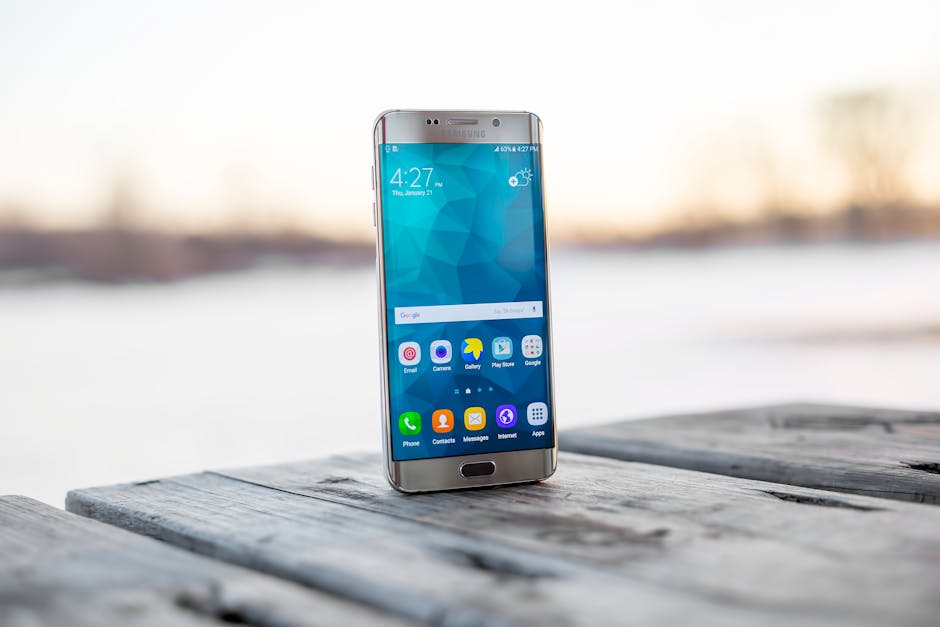
Google has officially unveiled its latest hardware lineup, headlined by the new Pixel 11 series and the Pixel 11 Pro Fold. These devices represent the company's most recent effort to compete in the high-end smartphone market. The announcement has drawn significant attention from tech enthusiasts and industry analysts alike. Consumers are now evaluating the new features and design changes included in these flagship products. The launch marks a major milestone for Google as it continues to expand its footprint in the mobile hardware space.
Alongside the new smartphones, Google introduced the Pixel Tag, a compact Bluetooth tracking device. This gadget is designed to help users locate misplaced items through the company's existing device network. Notably, the Pixel Tag does not feature a traditional keyring hole, a design choice that has sparked discussion among early reviewers. Despite this, the device aims to provide a seamless integration with the broader Google ecosystem. It serves as a direct competitor to other popular item trackers currently available on the market.
These product releases come at a time when the technology industry is experiencing rapid shifts in consumer demand. Companies are increasingly focused on creating interconnected hardware that works well with artificial intelligence software. Google has been vocal about its commitment to integrating AI across its entire product range. The Pixel 11 series is expected to leverage these advancements to improve user experience and device performance. Analysts suggest that these hardware choices reflect a broader strategy to keep users engaged within Google's digital services.
Market competition remains intense as other major players also update their mobile offerings. The introduction of the Pixel 11 Pro Fold highlights a growing interest in foldable screen technology among premium smartphone buyers. By offering a variety of models, Google is attempting to cater to different segments of the consumer base. The success of these devices will likely depend on their real-world performance and the value they provide to users. Early feedback will be crucial in determining how these phones fare against established rivals.
Beyond the hardware itself, the software experience remains a core component of the Pixel brand. Google continues to refine its operating system to better support the unique capabilities of its new devices. This includes updates to camera software, battery management, and security features. The company aims to provide a consistent and reliable experience for all Pixel owners. Such software optimizations are often what differentiate modern smartphones in a crowded marketplace.
Industry experts are also watching how these new products impact Google's overall financial performance. The tech sector has seen fluctuating trends in hardware sales over the past year. While some companies have faced challenges with supply chains and rising costs, Google appears to be investing heavily in its hardware division. This strategy suggests a long-term commitment to building a comprehensive ecosystem of devices. Investors and analysts will be monitoring sales data closely in the coming months.
Sustainability and repairability are also becoming more important to consumers and regulators. As Google rolls out these new models, questions regarding the longevity of the devices are being raised. The company has previously taken steps to improve the lifespan of its phones through extended software support. Whether these new models will set a higher standard for durability remains to be seen. Many users are looking for devices that can remain functional for several years.
Privacy and security continue to be top priorities for users of modern technology. Google has emphasized that the new Pixel devices include advanced security measures to protect personal data. These features are designed to work in the background without hindering the user experience. As cyber threats evolve, the importance of robust hardware-level security cannot be overstated. The company's approach to these challenges will be a key factor for privacy-conscious customers.
Looking ahead, the tech industry is expected to continue its focus on AI-driven hardware. The integration of sophisticated models into everyday devices is likely to become the new standard. Google's latest announcements are a clear indicator of where the company believes the future of mobile technology lies. As these devices reach the hands of consumers, the true impact of these innovations will become clearer. The coming months will provide a better understanding of how these products fit into the daily lives of users worldwide.
In summary, the launch of the Pixel 11 series and the Pixel Tag represents a significant update to Google's hardware portfolio. By combining new design elements with advanced software capabilities, the company is positioning itself for continued growth. The market will now decide how these products compare to the competition. For now, the tech community is focused on testing and reviewing these new additions to the Google family.
Ask the Author
Subscribers can ask the journalist a question about this story. Subscribe to ask.
নিরপেক্ষতা নোট
Auto-harvested from global news wires and presented neutrally by PENN.
to vote
Comments
No comments yet — be the first to share your thoughts.
Author
Planet Earth News Science & Technology DeskCovering scientific discovery and technological innovation — from astronomy, biology, chemistry, physics, and earth sciences to artificial intelligence, cybersecurity, consumer electronics, and digital infrastructure — with clear, accurate, neutral reporting on peer-reviewed findings, companies, products, and policy debates, and their implications for humanity.
View all articles by Desk →